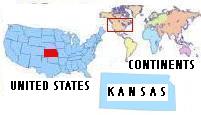
KANSAS FROM A TO Z
Astra per Aspera
To the Stars Through Difficulties
Facts about Kansas for each letter of the alphabet.
Click on highlighted words for more information
-
 AGRICULTURE is an important part of the economy in Kansas, and it is a leading agricultural state. More than 70% of the state is farmland. Kansas is the largest primary hard wheat market in the world and produces more wheat than any other state. Beef cattle are the most important part of the economy. Meat-packing, milling, and processing of other food products are the leading industries. The
Agricultural Hall of Fame and National Center at Bonner Springs displays farm equipment. Kansas has a variety of
soil, and the
State Soil is Harney Silt Loam. Kansas has
4-H Clubs and chapters of
Future Farmers of America. The
National Agriculture Statistic Service and
AG in the Classroom provide information, games, and puzzles.
AGRICULTURE is an important part of the economy in Kansas, and it is a leading agricultural state. More than 70% of the state is farmland. Kansas is the largest primary hard wheat market in the world and produces more wheat than any other state. Beef cattle are the most important part of the economy. Meat-packing, milling, and processing of other food products are the leading industries. The
Agricultural Hall of Fame and National Center at Bonner Springs displays farm equipment. Kansas has a variety of
soil, and the
State Soil is Harney Silt Loam. Kansas has
4-H Clubs and chapters of
Future Farmers of America. The
National Agriculture Statistic Service and
AG in the Classroom provide information, games, and puzzles.
-
 The
Amish way of life largely revolves around working and socializing together as a family and community.
Yoder is the central point for surrounding Amish communities.
The
Amish way of life largely revolves around working and socializing together as a family and community.
Yoder is the central point for surrounding Amish communities.
-
 April is
ARCHAEOLOGY month in Kansas, and there are archaeology
events and activies during the year. The
Kansas State Historical Society provides assistance on issues relating to archaeological resources.
April is
ARCHAEOLOGY month in Kansas, and there are archaeology
events and activies during the year. The
Kansas State Historical Society provides assistance on issues relating to archaeological resources.

 The
The
 April is
-
 Kansas has many BEACHES along reservoirs and lakes.
Shawnee Mission Park has one of the most popular swimming beaches.
Milford Reservoir has miles of shoreline and many swimming areas.
Kansas has many BEACHES along reservoirs and lakes.
Shawnee Mission Park has one of the most popular swimming beaches.
Milford Reservoir has miles of shoreline and many swimming areas.
-
 Kansas has over 400 species of
birds. Birdwatching is popular and the are many
Birding Hotspots. The State Bird is the
Western Meadowlark. The state has the largest population of wild grouse in North America. It is often commonly called the Prairie Chicken. Millions of migrating birds stopy off at
Quivira National Wildlife Refuge each year.
Pheasants are a popular game bird.
Kansas has over 400 species of
birds. Birdwatching is popular and the are many
Birding Hotspots. The State Bird is the
Western Meadowlark. The state has the largest population of wild grouse in North America. It is often commonly called the Prairie Chicken. Millions of migrating birds stopy off at
Quivira National Wildlife Refuge each year.
Pheasants are a popular game bird.
-
 Kansas has many BRIDGES including several
Historic Bridges. Many of them are on the National Register of Historic Places. The Rock Island Bridge is the longest railroad bridge of its kind. Kansas also has
Covered Bridges and
Suspension Bridges.
Kansas has many BRIDGES including several
Historic Bridges. Many of them are on the National Register of Historic Places. The Rock Island Bridge is the longest railroad bridge of its kind. Kansas also has
Covered Bridges and
Suspension Bridges.
-
 Kansas has several scenic
BYWAYS and a variety of
Trails including
Birding and Prairie Flora Trails and
Horse & Mule Trails . The state celebrates
National Trails Day. Because of its location, Kansas has long been a crossroads for travelers, and many modern roads follow old
Historic Trails. The state has interesting
roadside attractions.
Kansas has several scenic
BYWAYS and a variety of
Trails including
Birding and Prairie Flora Trails and
Horse & Mule Trails . The state celebrates
National Trails Day. Because of its location, Kansas has long been a crossroads for travelers, and many modern roads follow old
Historic Trails. The state has interesting
roadside attractions.
 Kansas has many
  Kansas has over 400 species of
 Kansas has many BRIDGES including several
 Kansas has several scenic
-
 Topeka is the CAPITAL of Kansas.
Wichita is called the "Air Capital of the World" because it leads the country in production of business and military planes.
Sumner County is known as the Wheat Capital of the World.
Topeka is the CAPITAL of Kansas.
Wichita is called the "Air Capital of the World" because it leads the country in production of business and military planes.
Sumner County is known as the Wheat Capital of the World.
-
 Kansas has all forms of
COMMUNICATION including newspapers, magazines, radio, television, internet, and telephone. The state has 4 telephone
area codes, and
Internet Service Providers and
Web Cams are located throughout the state.
Kansas has all forms of
COMMUNICATION including newspapers, magazines, radio, television, internet, and telephone. The state has 4 telephone
area codes, and
Internet Service Providers and
Web Cams are located throughout the state.
-
 Kansas has 105
COUNTIES. The largest county in size is
Butler County and the smallest is
Wyandotte County.
Johnson County has the largest population and Greeley County has the smallest.
Barton County is the only county in the state that is named after a women - Civil War nurse,
Clara Barton. The largest city is
Wichita. The term county is used in 48 of the 50 states for the level of
government below the state government.
Kansas has 105
COUNTIES. The largest county in size is
Butler County and the smallest is
Wyandotte County.
Johnson County has the largest population and Greeley County has the smallest.
Barton County is the only county in the state that is named after a women - Civil War nurse,
Clara Barton. The largest city is
Wichita. The term county is used in 48 of the 50 states for the level of
government below the state government.

 Kansas has all forms of
 Kansas has 105
-
 Kansas has more
DAMS than any other state and has a
Dam Safety Program Most of the electrical power in Kansas is generated by coal- and gas-fired power plants. A nuclear power plant is located at
Wolf Creek. Other sources of energy being considered are
Solar Power and
Wind Power.
Kansas has more
DAMS than any other state and has a
Dam Safety Program Most of the electrical power in Kansas is generated by coal- and gas-fired power plants. A nuclear power plant is located at
Wolf Creek. Other sources of energy being considered are
Solar Power and
Wind Power.
-
 DINOSAURSlived along the Kansas shoreline. A variety of
fossils have been found in the state including those of an
armored dinosaur and a
Pterosaur.
Fick Fossil and History Museum in Oakley, has more than 11,000 sharks teeth and other fossils from the area.
Monument Rocks National Landmark formations are giant towers of chalk filled with fossils from an ancient sea. The University of Kansas offers
programs for children about dinosaurs including a Dinosaur Detective Summer Camp.
DINOSAURSlived along the Kansas shoreline. A variety of
fossils have been found in the state including those of an
armored dinosaur and a
Pterosaur.
Fick Fossil and History Museum in Oakley, has more than 11,000 sharks teeth and other fossils from the area.
Monument Rocks National Landmark formations are giant towers of chalk filled with fossils from an ancient sea. The University of Kansas offers
programs for children about dinosaurs including a Dinosaur Detective Summer Camp.
 Kansas has more

-
 Kansas experiences occasional
earthquakes but most of them are mild. The most recent earthquake was in July 2000 in Butler County. The largest earthquake was in 1867 in the Manhattan area.
Kansas experiences occasional
earthquakes but most of them are mild. The most recent earthquake was in July 2000 in Butler County. The largest earthquake was in 1867 in the Manhattan area.
-
 The Kansas
Department of EDUCATION supervises public education and other educational interests in the state. Public education in Kansas is free and and ranked among the
best in the country.
Attendence is required from age 7 through 16 unless otherwise exempt.
Kansas Kids @ Gear Up assists students in attaining educational success. The
Kansas Department of Wildlife has educational programs. The
Great Plains Nature Center is a new education facility in Wichita. The
National Teachers Hall of Fame is located in Emporia. Information about schools in Kansas is available at
GreatSchools and
SchoolBug.
The Kansas
Department of EDUCATION supervises public education and other educational interests in the state. Public education in Kansas is free and and ranked among the
best in the country.
Attendence is required from age 7 through 16 unless otherwise exempt.
Kansas Kids @ Gear Up assists students in attaining educational success. The
Kansas Department of Wildlife has educational programs. The
Great Plains Nature Center is a new education facility in Wichita. The
National Teachers Hall of Fame is located in Emporia. Information about schools in Kansas is available at
GreatSchools and
SchoolBug.
-
 Kansas has many special
EVENTS, celebrations, and festivals during the year. Kansas has
State Fairs and County Fairs. Many celebrations reflect the European beginnings of the people including the
Lucia Fest in Lindsborg.
InternationalPancake Day is celebrated in the town of Liberal. There are
Scottish Games and Festivals.
Kansas observes
Fixed Public Holidays and other special days.
Kansas has many special
EVENTS, celebrations, and festivals during the year. Kansas has
State Fairs and County Fairs. Many celebrations reflect the European beginnings of the people including the
Lucia Fest in Lindsborg.
InternationalPancake Day is celebrated in the town of Liberal. There are
Scottish Games and Festivals.
Kansas observes
Fixed Public Holidays and other special days.
 Kansas experiences occasional
 The Kansas
 Kansas has many special
-
 Kansas has 142 species of
FISH and 46 species of
mussels. The
State Fish is the channel catfish.
Fishing is a popular activity. Kansas has 4
Fish Hatchries.
Kansas has 142 species of
FISH and 46 species of
mussels. The
State Fish is the channel catfish.
Fishing is a popular activity. Kansas has 4
Fish Hatchries.
-
 The Kansas
State FLAG consists of a dark blue field with the
State Seal in the center. A sunflower on a bar of twisted gold lies above the seal, and below the seal is the word "Kansas". Other flags in the state include the city of
Wichita, the
University of Kansas, and
Leavenworth.
The
Wyandot Tribe has their own flag.
The Kansas
State FLAG consists of a dark blue field with the
State Seal in the center. A sunflower on a bar of twisted gold lies above the seal, and below the seal is the word "Kansas". Other flags in the state include the city of
Wichita, the
University of Kansas, and
Leavenworth.
The
Wyandot Tribe has their own flag.
-
 Kansas has a variety of
FOOD Festivals & Events. The state has 3 edible state symbols - honey, American buffalo, and sunflower seeds. Kansas has many interesting
specialty foods. Some are based on Kansas Agriculture, but more are inspired by the
European Heritage of many of the immigrants to the state. The
Kansas Department of Agriculture guarantees public safety by regulating the production and sale of food products in the state. The
Kansas Food Bank provides food whenever and wherever it is needed. The 1st big food service chain in the country was
Harvey House. The 1st
Pizza Hut was opened in Wichita.
Kansas has a variety of
FOOD Festivals & Events. The state has 3 edible state symbols - honey, American buffalo, and sunflower seeds. Kansas has many interesting
specialty foods. Some are based on Kansas Agriculture, but more are inspired by the
European Heritage of many of the immigrants to the state. The
Kansas Department of Agriculture guarantees public safety by regulating the production and sale of food products in the state. The
Kansas Food Bank provides food whenever and wherever it is needed. The 1st big food service chain in the country was
Harvey House. The 1st
Pizza Hut was opened in Wichita.
 Kansas has 142 species of
 The Kansas
 Kansas has a variety of
-
 The
GEOLOGY of Kansas varies from dry and flat to river beds, forested plateaus, coal country, cactus-covered buttes, and stony glacial moraines. The
US Geological Survey provides information about the geology of Kansas, and Kansas Geological Survey provides
maps. Mushroom Rocks near Ellensworth are large sandstone formations.
Rock City consists of more than 200 rocks, some as large as a house.
The
GEOLOGY of Kansas varies from dry and flat to river beds, forested plateaus, coal country, cactus-covered buttes, and stony glacial moraines. The
US Geological Survey provides information about the geology of Kansas, and Kansas Geological Survey provides
maps. Mushroom Rocks near Ellensworth are large sandstone formations.
Rock City consists of more than 200 rocks, some as large as a house. -
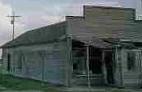 Kansas has over 50
GHOST TOWNS including
Blaine which has a Red brick church from 1881 and
Albany which has a schoolhouse and cemetery.
Gem has a school house, 3 churches, and 2 business buildings.
Selma has 2 houses and a school house. Several hundred people live in
Buffalo
Kansas has over 50
GHOST TOWNS including
Blaine which has a Red brick church from 1881 and
Albany which has a schoolhouse and cemetery.
Gem has a school house, 3 churches, and 2 business buildings.
Selma has 2 houses and a school house. Several hundred people live in
Buffalo
-
 The
GLOBAL POSITION of Kansas is approximately 37 degrees north longitude and 101 degrees west latitute. The geographic center of the lower 48 states United States is a few miles west of Lebanon. Kansas is bordered by the states of Colorado, Missouri, Nebraska, and Oklahoma. The highest point is
Mt. Sunflower. The lowest point is the
Verdigris River. NOAA provides information about the
Topography of Kansas.
Geocaching is a high-tech treasure hunt using a GPS, and there are
geocaches throughout the state.
The
GLOBAL POSITION of Kansas is approximately 37 degrees north longitude and 101 degrees west latitute. The geographic center of the lower 48 states United States is a few miles west of Lebanon. Kansas is bordered by the states of Colorado, Missouri, Nebraska, and Oklahoma. The highest point is
Mt. Sunflower. The lowest point is the
Verdigris River. NOAA provides information about the
Topography of Kansas.
Geocaching is a high-tech treasure hunt using a GPS, and there are
geocaches throughout the state.
 The
The
 Kansas has over 50
 The
The
-
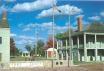 Kansas has many
HISTORIC SITES including museums,
forts, trails, and stations along the Santa Fe and Oregon trails and on the Pony Express route.
Fort Leavenworth, the first U.S. outpost in Kansas, is now a federal prison. Historic trails in Kansas were important to the opening of the West. The
National Trust helps protest historic sites in Kansas.
Kansas has many
HISTORIC SITES including museums,
forts, trails, and stations along the Santa Fe and Oregon trails and on the Pony Express route.
Fort Leavenworth, the first U.S. outpost in Kansas, is now a federal prison. Historic trails in Kansas were important to the opening of the West. The
National Trust helps protest historic sites in Kansas.
-
 The
HISTORY of Kansas dates back to 11,000 b.c. The first people were called Paleo-Indians. Later came the Mound Builders who were the first farmers in the state. The recorded
history of Kansas dates back to the 1500s. Kansas participates in
National History Day.
The
HISTORY of Kansas dates back to 11,000 b.c. The first people were called Paleo-Indians. Later came the Mound Builders who were the first farmers in the state. The recorded
history of Kansas dates back to the 1500s. Kansas participates in
National History Day.
 Kansas has many
 The
The
-
 Kansas has many
INDUSTRIES including agriculture and aviation. The production of transportation equipment is the leading industry in the state.
Cattle raising is an important industry, and Southwest Kansas has the largest concentration of beef packing plants in the country. Several
Trade Shows are held throughout the year.
Kansas has many
INDUSTRIES including agriculture and aviation. The production of transportation equipment is the leading industry in the state.
Cattle raising is an important industry, and Southwest Kansas has the largest concentration of beef packing plants in the country. Several
Trade Shows are held throughout the year.
-
Kansas has several
ISLANDS.
Kickapoo Island is a historical site, Small Duck Island is in a Reservoir,
Nelson Island is on a River, and Small Lakes Island is in a Lake.
-
 About 15,000 species of
INSECTS have been found in Kansas including mayflies, grasshoppers, dragonflies, ants, bees, and a variety of bugs. The state has about 181 species of
butterflies including the
Monarch Butterfly. The State Insect is the
honeybee.
About 15,000 species of
INSECTS have been found in Kansas including mayflies, grasshoppers, dragonflies, ants, bees, and a variety of bugs. The state has about 181 species of
butterflies including the
Monarch Butterfly. The State Insect is the
honeybee.
 Kansas has many
 About 15,000 species of
-
 Kansas is sometimes called The
JAYHAWK State because during the Civil war, antislavery abolitionists were called Jayhawks. The
jayhawk is also a mythical bird. Sports teams at the
University of Kansas are called The Jayhawks.
Kansas is sometimes called The
JAYHAWK State because during the Civil war, antislavery abolitionists were called Jayhawks. The
jayhawk is also a mythical bird. Sports teams at the
University of Kansas are called The Jayhawks.
-
 Jazz is popular in Kansas. The
KU Jazz Festival has been a focal point for jazz performance and education in the central part of the country. The
Wichita Grand Opera Company produces opera and has education programs. The
State Song is "Home on the Range".
Jazz is popular in Kansas. The
KU Jazz Festival has been a focal point for jazz performance and education in the central part of the country. The
Wichita Grand Opera Company produces opera and has education programs. The
State Song is "Home on the Range".
 Kansas is sometimes called The

-
 Kansas has
KARST, caves, and caverns. Kansas has at least 528 caves.
Commanche County has more caves than any other county in the state.
Barber County has over 100 caves. An area called the
Ozarks of Kansas is dotted with caves. The
Karst Waters Institute provides information about Karst. The National Park Service has a
Cave and Karst Program. The
Kansas Speleological Society explores caves.
Kansas has
KARST, caves, and caverns. Kansas has at least 528 caves.
Commanche County has more caves than any other county in the state.
Barber County has over 100 caves. An area called the
Ozarks of Kansas is dotted with caves. The
Karst Waters Institute provides information about Karst. The National Park Service has a
Cave and Karst Program. The
Kansas Speleological Society explores caves.
-
 Many aspects of life in Kansas focus on KIDS.
The Secretary of State has a
Kansas Kids page. The
Kansas Kids Can program provides information about recycling. The
Heartland Center has camps for kids of all ages.
Many aspects of life in Kansas focus on KIDS.
The Secretary of State has a
Kansas Kids page. The
Kansas Kids Can program provides information about recycling. The
Heartland Center has camps for kids of all ages.
 Kansas has
 Many aspects of life in Kansas focus on KIDS.
The Secretary of State has a
Many aspects of life in Kansas focus on KIDS.
The Secretary of State has a
-
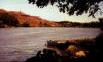 Kansas has
LAKES and reservoirs.
Milford Reservoir is the largest lake in the state.
Tuttle Creek Lake was created by a dam and offers many recreation opportunities.
Kansas has
LAKES and reservoirs.
Milford Reservoir is the largest lake in the state.
Tuttle Creek Lake was created by a dam and offers many recreation opportunities.
-
 Public
LIBRARIES are located throughout Kansas. The
Kansas State Library is in Topeka. The
University of Kansas and
Kansas State University have libraries. The
Eisenhower Library and Museum is located near the boyhood home of the 34th president.
Public
LIBRARIES are located throughout Kansas. The
Kansas State Library is in Topeka. The
University of Kansas and
Kansas State University have libraries. The
Eisenhower Library and Museum is located near the boyhood home of the 34th president.
 Kansas has
 Public
-
 There are several
MILITARY installations in Kansas.
Fort Leavenworth is the oldest continuously active post west of the Mississippi River and is the site of the most famous federal prison in the country. The
Frontier Military Scenic Byway has unique historic, natural, and cultural attractions. The
Kansas Cosmosphere and Space Center have a variety of programs for all ages. The
Army Corps of Engineers has projects in Kansas. The
Kansas National Guard maintains 75 armories and is present in 57 communities.
There are several
MILITARY installations in Kansas.
Fort Leavenworth is the oldest continuously active post west of the Mississippi River and is the site of the most famous federal prison in the country. The
Frontier Military Scenic Byway has unique historic, natural, and cultural attractions. The
Kansas Cosmosphere and Space Center have a variety of programs for all ages. The
Army Corps of Engineers has projects in Kansas. The
Kansas National Guard maintains 75 armories and is present in 57 communities.
-
 Many rocks and
MINERALS are found in Kansas. Every year Kansas produces more than $400 million worth of
non-fuel minerals. One of the first natural-gas booms in the country occurred in southeastern Kansas and the
largest natural gas field is near Hugoton. Helium, Coal, limestone and salt are also mined in Kansas. The constant temperature of the largest salt mine in the state is perfect for storing important documents, microfilm, and other treasures.
Many rocks and
MINERALS are found in Kansas. Every year Kansas produces more than $400 million worth of
non-fuel minerals. One of the first natural-gas booms in the country occurred in southeastern Kansas and the
largest natural gas field is near Hugoton. Helium, Coal, limestone and salt are also mined in Kansas. The constant temperature of the largest salt mine in the state is perfect for storing important documents, microfilm, and other treasures. -
 A variety of
MUSEUMS are located throughout Kansas. Notable art museums are at the University of Kansas in Wichita. The
Post Rock Museum and Barbed Wire Museum are in La Crosse. The
Gallery of Also-Rans is in Norton. There is a
Salt Museum in Hutchinson.
The
State Historical Society in Topeka has a historical museum.
A variety of
MUSEUMS are located throughout Kansas. Notable art museums are at the University of Kansas in Wichita. The
Post Rock Museum and Barbed Wire Museum are in La Crosse. The
Gallery of Also-Rans is in Norton. There is a
Salt Museum in Hutchinson.
The
State Historical Society in Topeka has a historical museum.
 There are several
 Many rocks and
 A variety of
-
 The NAME Kansas is a Sioux word meaning "people of the southwind". The nickname of Kansas is Sunflower State, and The State Flower is the Wild Native
Sunflower. Hutchinson is nicknamed the Salt City because it was built above some of the richest salt deposits in the world. The state is often called Midway, USA.
Mid America Air Museum is in Liberal. Because it produces an abundance of wheat, Kansas is sometimes called "The Wheat State".
The NAME Kansas is a Sioux word meaning "people of the southwind". The nickname of Kansas is Sunflower State, and The State Flower is the Wild Native
Sunflower. Hutchinson is nicknamed the Salt City because it was built above some of the richest salt deposits in the world. The state is often called Midway, USA.
Mid America Air Museum is in Liberal. Because it produces an abundance of wheat, Kansas is sometimes called "The Wheat State".
-
 Kansas is home to more than 20,000 NATIVE AMERICANS including the
Wyandot Nation, Kansa, Osage,
Shawnee, Wichita & Plains Apache. Kansas has 3
Federally Recognized Tribes. The Wichita Indians tamed dogs to help with hunting and farm chores. The
Kickapoo Powwow honors Native American dances & festivities.
More than 25 Indian tribes have made their home in Kansas but most tribal groups have moved to another state.
Kansas is home to more than 20,000 NATIVE AMERICANS including the
Wyandot Nation, Kansa, Osage,
Shawnee, Wichita & Plains Apache. Kansas has 3
Federally Recognized Tribes. The Wichita Indians tamed dogs to help with hunting and farm chores. The
Kickapoo Powwow honors Native American dances & festivities.
More than 25 Indian tribes have made their home in Kansas but most tribal groups have moved to another state.
 The NAME Kansas is a Sioux word meaning "people of the southwind". The nickname of Kansas is Sunflower State, and The State Flower is the Wild Native
 Kansas is home to more than 20,000 NATIVE AMERICANS including the
-
 Kansas has several
OBSERVATORIES and
astronomy clubs.
The Omnisphere and Science Center in Wichita has a star show and hands-on exhibits.
Powell Observatory has the largest telescope in the 5 state area and offers public viewings. The
Kansas Cosmosphere and Space Discovery Center is in Hutchinson.
Lake Afton Public Observatory has programs throughout the year.
North Central Kansas Astronomical Society has special events throughout the year.
Astronomy Day is celebrated in the spring.
Kansas has several
OBSERVATORIES and
astronomy clubs.
The Omnisphere and Science Center in Wichita has a star show and hands-on exhibits.
Powell Observatory has the largest telescope in the 5 state area and offers public viewings. The
Kansas Cosmosphere and Space Discovery Center is in Hutchinson.
Lake Afton Public Observatory has programs throughout the year.
North Central Kansas Astronomical Society has special events throughout the year.
Astronomy Day is celebrated in the spring.
 Kansas has several
-
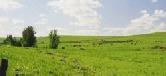 Kansas has many PARKS including
State Parks, County Parks, and City Parks.
Tall Grass Prairie National Preserve is an example of the once vast tall grass ecosystem in Kansas and is a new kind of National Park. Kansas has several
Water Parks
Kansas has many PARKS including
State Parks, County Parks, and City Parks.
Tall Grass Prairie National Preserve is an example of the once vast tall grass ecosystem in Kansas and is a new kind of National Park. Kansas has several
Water Parks
-
 Nearly 3 million
PEOPLE live in Kansas. A small Mennonite group, the Amish, live near
Yoder. The Russian Mennonites are responsible for bringing hardy wheat to Kansas.
A number of
famous people were born in Kansas including
Amelia Earhart, a pioneering pilot;
Charles Curtis, the only Native American vice-president,
Susanna Salter, first female mayor in the country;
Karl Menninger, founder of Menninger Clinic;
Bob Dole, former Senate majority Leader; and
Walter Chrysler, automaker.
Almon Strowger dial telephone inventor lived most of his life in Kansas. Some of the legendary lawmen of the West are associated with Kansas including
Wild Bill Hickock,
Wyatt Earp, and
Bat Masterson.
Nearly 3 million
PEOPLE live in Kansas. A small Mennonite group, the Amish, live near
Yoder. The Russian Mennonites are responsible for bringing hardy wheat to Kansas.
A number of
famous people were born in Kansas including
Amelia Earhart, a pioneering pilot;
Charles Curtis, the only Native American vice-president,
Susanna Salter, first female mayor in the country;
Karl Menninger, founder of Menninger Clinic;
Bob Dole, former Senate majority Leader; and
Walter Chrysler, automaker.
Almon Strowger dial telephone inventor lived most of his life in Kansas. Some of the legendary lawmen of the West are associated with Kansas including
Wild Bill Hickock,
Wyatt Earp, and
Bat Masterson.
-
 There were
PONY EXPRESS stops in Kansas including
Marysville Pony Espress Barn and the
Hollenberg Station which is a State Historic Site. Pony Express Days celebrates the time
Pony Express riders delivered mail from St. Joseph, Missouri to Sacramento, California.
There were
PONY EXPRESS stops in Kansas including
Marysville Pony Espress Barn and the
Hollenberg Station which is a State Historic Site. Pony Express Days celebrates the time
Pony Express riders delivered mail from St. Joseph, Missouri to Sacramento, California.
 Kansas has many PARKS including
 Nearly 3 million
 There were
-
 QUILTING is popular in Kansas and there are
Quilt Guilds throughout the state and the
Kansas Alliance of Weavers and Spinners sponsors special events and exhibits. The
Kansas Quilt Walk was developed to honor the pioneer history.
QUILTING is popular in Kansas and there are
Quilt Guilds throughout the state and the
Kansas Alliance of Weavers and Spinners sponsors special events and exhibits. The
Kansas Quilt Walk was developed to honor the pioneer history.
 Take a
QUIZ about Kansas.
Take a
QUIZ about Kansas.
 The
U.S. Mint issued a QUARTER for each state according to its admission date. Kansas was admitted to the union in 1861, and a quarter was issued in its honor in the year
2005. The U.S. Mint has a special
Kids Page.
The
U.S. Mint issued a QUARTER for each state according to its admission date. Kansas was admitted to the union in 1861, and a quarter was issued in its honor in the year
2005. The U.S. Mint has a special
Kids Page.

 Take a
-
 Kansas is divided into several
REGIONS - High Plains, Tall Grass, and Wooded Hills. The Southwest part of Kansas is considered to be where the wild west began. Kansas is also part of the
Mountain-Prairie Region.
Kansas is divided into several
REGIONS - High Plains, Tall Grass, and Wooded Hills. The Southwest part of Kansas is considered to be where the wild west began. Kansas is also part of the
Mountain-Prairie Region.
-
 About 67 species of
REPTILES and turtles are found in Kansas including lizards and snakes. The
Ornate Box Turtle is the State Reptile. The state has about 32 species of
amphibians including salmanders, toads, and frogs. The State Amphibian is the
Barred Tiger Salamander.
About 67 species of
REPTILES and turtles are found in Kansas including lizards and snakes. The
Ornate Box Turtle is the State Reptile. The state has about 32 species of
amphibians including salmanders, toads, and frogs. The State Amphibian is the
Barred Tiger Salamander.
-
 Kansas has many
RIVERS and creeks.
Two major rivers flow west to east, the Kansas in the north and the Arkansas in the south. The Missouri River winds along the northeast corner of the state and was a major thoroughfare for early traders and settlers. There are 27 "Walnut" creeks in the state. None of the Kansas waterways are used for navigation today. Part of the
Ogallala Aquifer lies beneath the state and holds a vast amount of water.
Kansas has many
RIVERS and creeks.
Two major rivers flow west to east, the Kansas in the north and the Arkansas in the south. The Missouri River winds along the northeast corner of the state and was a major thoroughfare for early traders and settlers. There are 27 "Walnut" creeks in the state. None of the Kansas waterways are used for navigation today. Part of the
Ogallala Aquifer lies beneath the state and holds a vast amount of water.
 Kansas is divided into several
 About 67 species of
 Kansas has many
-
 Kansas has many SPORTS including high school, college, league, and professional teams. There is an annual rodeo at
Strong City. Other outdoor activities include hunting,
fishing, boating, and golfing. The state has
Public and private Golf Courses. Kansas has several
Racetracks and Speedways. There are also many
skating rinks.
Kansas has many SPORTS including high school, college, league, and professional teams. There is an annual rodeo at
Strong City. Other outdoor activities include hunting,
fishing, boating, and golfing. The state has
Public and private Golf Courses. Kansas has several
Racetracks and Speedways. There are also many
skating rinks.
 Kansas has many
 -
 Kansas has all forms of
TRANSPORTATION.The Kansas
Department of Transportation maintains roads and bridges and has an
Adopt-a-Highway Program. The
Federal Highway Administration provides information about traffic and road closure. The first license plates in Kansas were issued in 1913, but the year was not put on them until 1921. The state offers a variety of
personalized license plates. The
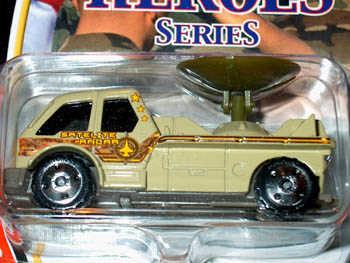
Potawatomie Prairie Band of Native Americans has their own license plates. The Wildflower Program beautifies and maintains the roadsides. In 1981 Kansas won the award for the most beautiful license plate. To celebrate its 50th birthday in 2002, Matchbox cars issued a vehicle for each state in the order in which it was admitted into the Union. The vehicle for Kansas was the
Weather Radar Truck.
Kansas has all forms of
TRANSPORTATION.The Kansas
Department of Transportation maintains roads and bridges and has an
Adopt-a-Highway Program. The
Federal Highway Administration provides information about traffic and road closure. The first license plates in Kansas were issued in 1913, but the year was not put on them until 1921. The state offers a variety of
personalized license plates. The
Potawatomie Prairie Band of Native Americans has their own license plates. The Wildflower Program beautifies and maintains the roadsides. In 1981 Kansas won the award for the most beautiful license plate. To celebrate its 50th birthday in 2002, Matchbox cars issued a vehicle for each state in the order in which it was admitted into the Union. The vehicle for Kansas was the
Weather Radar Truck.
-
 Kansas has 114
species of TREES. The most common trees of eastern Kansas are the oak, hickory, and elm, and black walnut, sycamore, box elder, green ash,hackberry, and the cottonwood which is the
State Tree. Cottonwood, willow, and red cedar are the principal trees in western Kansas. The
Osage Orange is found in hedgerows in some areas of the state. The
Red Cedar is the only conifer native to Kansas. Kansas has had many
Champion Trees. Most of the
forestland in Kansas is in the eastern part of the state.
Kansas has 114
species of TREES. The most common trees of eastern Kansas are the oak, hickory, and elm, and black walnut, sycamore, box elder, green ash,hackberry, and the cottonwood which is the
State Tree. Cottonwood, willow, and red cedar are the principal trees in western Kansas. The
Osage Orange is found in hedgerows in some areas of the state. The
Red Cedar is the only conifer native to Kansas. Kansas has had many
Champion Trees. Most of the
forestland in Kansas is in the eastern part of the state.
 Kansas has all forms of
 Kansas has 114
-
 Kansas has
UNIVERSITIES colleges, and vocational schools. Many cultural activities are concentrated in the universities.
Haskell Indian Nations University in Lawrence is the only 4-year Native American university in the country. Ceremonies, powwows, and art markets are held on the school grounds, and the public is welcome to enjoy displays of modern and traditional Native American life.
Kansas has
UNIVERSITIES colleges, and vocational schools. Many cultural activities are concentrated in the universities.
Haskell Indian Nations University in Lawrence is the only 4-year Native American university in the country. Ceremonies, powwows, and art markets are held on the school grounds, and the public is welcome to enjoy displays of modern and traditional Native American life.
-
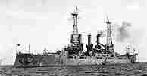 Two Navy ships have been named USS KANSAS. The
USS Kansas (1863) was a gunboat and saw action in the Civil War and
the USS Kansas (BB-21) was a Connecticut-class Battleship. Three ships have been named USS Topeka in honor of the city. The
USS Topeka (35) was a gunboat, the
USS Topeka (CL-67) was a light cruiser, and the
USS Topeka (SSN-754) is a Los Angeles-class nuclear attack submarine.
Two Navy ships have been named USS KANSAS. The
USS Kansas (1863) was a gunboat and saw action in the Civil War and
the USS Kansas (BB-21) was a Connecticut-class Battleship. Three ships have been named USS Topeka in honor of the city. The
USS Topeka (35) was a gunboat, the
USS Topeka (CL-67) was a light cruiser, and the
USS Topeka (SSN-754) is a Los Angeles-class nuclear attack submarine.
 Kansas has
 Two Navy ships have been named USS KANSAS. The
-
 Kansas has a wide variety of
VEGETATION including shrubs, woody vines, &
wildflowers and grasses. Extensive
grasslands dominate the natural vegetation.
Flint Hills in eastern Kansas has the largest expanse of wild grass in the country. Through the ages to modern time, wildfires influenced development of fire-tolerant grasses and suppressed woody vegetation. The
Nature Conservancy helps preserve the land in Kansas and has field trips and events. The
Konza Praire Research Natural Area provides an outdoor laboratory of native tallgrass praier set aside for long-term research.
Tall Grass Prairie National Preserve was sustained by managed fires.
Kansas has a wide variety of
VEGETATION including shrubs, woody vines, &
wildflowers and grasses. Extensive
grasslands dominate the natural vegetation.
Flint Hills in eastern Kansas has the largest expanse of wild grass in the country. Through the ages to modern time, wildfires influenced development of fire-tolerant grasses and suppressed woody vegetation. The
Nature Conservancy helps preserve the land in Kansas and has field trips and events. The
Konza Praire Research Natural Area provides an outdoor laboratory of native tallgrass praier set aside for long-term research.
Tall Grass Prairie National Preserve was sustained by managed fires.
-
 Kansas does not have any
volcanoes, but at one time lava did flow on its surface. Rocks from volcanoes have been found in the state.
Kansas does not have any
volcanoes, but at one time lava did flow on its surface. Rocks from volcanoes have been found in the state.
 Kansas has a wide variety of
 Kansas does not have any
-
 The
WEATHER in Kansas varies becuase it is remote from moderating influences of oceans. It has 4 distinct seasons and is one of the windiest states in the country. Kansas is located in what is called
Tornado Alley. A severe drought in the 1930's resulted in what was called
"The Dust Bowl". The
State Climatologist provides information about the climate of the state, and
NOAA has weather activities for kids. The Environmental Protection Agency provides information about the effect of
Global Warming in Kansas.
The
WEATHER in Kansas varies becuase it is remote from moderating influences of oceans. It has 4 distinct seasons and is one of the windiest states in the country. Kansas is located in what is called
Tornado Alley. A severe drought in the 1930's resulted in what was called
"The Dust Bowl". The
State Climatologist provides information about the climate of the state, and
NOAA has weather activities for kids. The Environmental Protection Agency provides information about the effect of
Global Warming in Kansas.
-
 Kansas has about 87 species of
WILDLIFE including bats, rodents, rabbits, beavers, fox, wolves, bears,and mountain lions. Antelope have been reintroduced in the west, and squirrels, raccoon, and deer occur in the east. Kansas has 4
Wildlife Refuges.
Flint Hills National Wildlife Refuge is dedicated to the preservation and conservation of wildlife. The 3rd largest herds of bison are located on public lands in Kansas, and the State Animal is the
American Bison. The state has a number of
threatened and endangered species. Kansas is part of the
Wildlife Protection Program to help wildlife along roads.
Kansas has about 87 species of
WILDLIFE including bats, rodents, rabbits, beavers, fox, wolves, bears,and mountain lions. Antelope have been reintroduced in the west, and squirrels, raccoon, and deer occur in the east. Kansas has 4
Wildlife Refuges.
Flint Hills National Wildlife Refuge is dedicated to the preservation and conservation of wildlife. The 3rd largest herds of bison are located on public lands in Kansas, and the State Animal is the
American Bison. The state has a number of
threatened and endangered species. Kansas is part of the
Wildlife Protection Program to help wildlife along roads.
 The
The
 Kansas has about 87 species of
-
 XMAS is the common abbreviation for Christmas and it is celebrated in Kansas much like the rest of the
country and around the
world. Kansas has several
Christmas Tree Farms and has provided National and State Christmas trees in front of the white House. The
National Christmas Tree Association has information about Christmas trees.
XMAS is the common abbreviation for Christmas and it is celebrated in Kansas much like the rest of the
country and around the
world. Kansas has several
Christmas Tree Farms and has provided National and State Christmas trees in front of the white House. The
National Christmas Tree Association has information about Christmas trees.

-
 YMCA organizations are located throughout Kansas. There are 3 YMCA camps -
Camp Hyde, Camp Hammond, and
Camp Wood.
YMCA organizations are located throughout Kansas. There are 3 YMCA camps -
Camp Hyde, Camp Hammond, and
Camp Wood.
-
 Kansas has YOUTH HOSTELS and
Elderhostels.
Kansas has YOUTH HOSTELS and
Elderhostels.

 Kansas has YOUTH HOSTELS and
-
 The use of ZIP CODES began in 1963. Zip codes in Kansas all start with the number 6. The postal code is KS.
-
 Kansas is in the
Central Time ZONE and in the
USDA Plant Hardiness Zone 5-6.
Kansas is in the
Central Time ZONE and in the
USDA Plant Hardiness Zone 5-6.
-
 Kansas has
ZOOS and Animal Parks. The
Kansas City Zoological Park is also a research and education center and is home to the first IMAX Theatre in a zoo. Sunset Zoo in Manhattan participates in a variety of research projects. The
Sedgwick County Zoo has been ranked as one of the best zoos in the world. The world famous
Topeka Zoo has a variety of areas including a Discovering Apes Building, Lion's Pride, Animals & Man Building, and a Tropical Rain Forest.
Kansas has
ZOOS and Animal Parks. The
Kansas City Zoological Park is also a research and education center and is home to the first IMAX Theatre in a zoo. Sunset Zoo in Manhattan participates in a variety of research projects. The
Sedgwick County Zoo has been ranked as one of the best zoos in the world. The world famous
Topeka Zoo has a variety of areas including a Discovering Apes Building, Lion's Pride, Animals & Man Building, and a Tropical Rain Forest.
 The use of
  Kansas is in the
 Kansas has


As Dorothy said in the
Wizard of Oz
There's no place like


