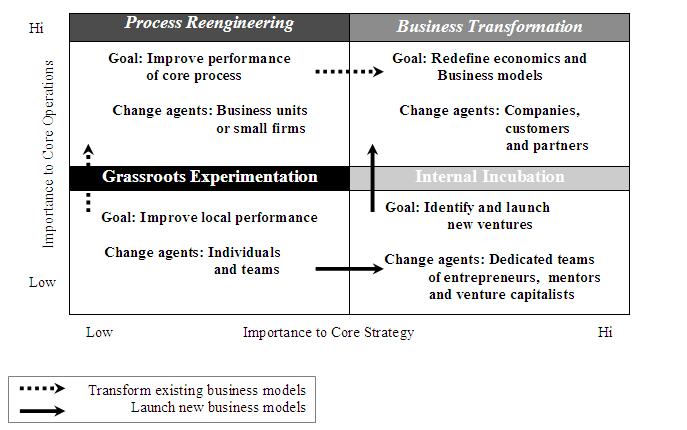
Exhibit 1 American Express Interactive Assignment and
Discussion Questions
Topic: Corporate Venturing
While the frenzy that characterized the “dot-com” era of the late 1990s is over, most 21st century business leaders continue to search for ways to exploit the power of the Internet to transform how their companies and the markets within which they operate do business. While many have addressed how to define new opportunities, this session focuses on the implementation challenges associated with launching and growing new ventures. A framework is also provided that helps executives frame the decision of whether to build a new venture as an independent company, versus integrating the new venture into the established company once it gains traction in the marketplace.
Prepare: American Express Interactive (HBS No. 802-022)
Questions for Discussion:
1. How important was AXI Travel to American Express? How has the business model for AXI Travel and the follow-on AXI Interactive online service offerings evolved over time?
2. Evaluate the actions taken to implement AXI Travel. How successful was the company in building, launching, and then integration AXI Travel within the company’s traditional business? What challenges did the AXI Travel team face? What challenges did the CSI team face?
3. Evaluate CSI’s role and actions to date as a new business “incubator” within American Express. What role, if any, should CSI play in the future?
4. What advice would you have given American Express senior management in summer 2000?
5. Has your firm (or one that you have worked within in the past) attempted the launch of an Internet business? If so, what business model did you choose, what approach (or approaches) to implementation did you, and how successful have you been?
Exhibit
2 American Express Interactive
Implementation Timeline
|
1995: |
The idea for AXI Travel is formulated and the Corporate Services Interactive (CSI) team is formed. |
|
1996: |
Partner with Microsoft and
development team relocates to |
|
July 1996: |
Pre-announce to customers at National Business Travel Association. |
|
Feb, 1997: |
AXI and Microsoft host a
workshop in |
|
March 1997: |
AXI Travel is ready for customer review; 30 companies get access to a password-protected site to review and provide feedback. |
|
July 1997: |
Beta version of the product is demonstrated at the National Business Travel Association. The first electronic ticket is issued to the director of corporate travel at Monsanto. By this point, 150 companies have been allowed to the AXI Travel service. |
|
Nov. 1997: |
AXI Travel officially launched. |
|
Jan. 1998: |
CSI moves back to corporate headquarter and assume the roles of : (1) integrating AXI Travel within traditional corporate services business unit; and (2) incubating new online businesses. |
|
Early 1998: |
AXI Travel enhanced with special features for business travelers and their assistants, and for corporate travel managers. |
|
Late 1998: |
AXI Expense interactive service launched and linked to corporate card to facilitate expense reporting. |
|
May 1999: |
AXI Purchasing interactive service launched and linked to purchase card. Alliances with Areba, CommerceOne, and SAP are established. |
|
Fall 1999: |
American Express @Work pilot launched. This service enabled corporate travel managers to integrate all of the full suite of AXI interactive services through a common “portal.” While intended only as a pilot, word spread quickly and several hundred travel managers requested access. (This is an excellent example of what many call “viral marketing.”) |
|
Summer 2000: |
Strategic alliance with Ventro formed to create a horizontal small business portal called Market Mile. |
Appendix A Evolving the American Express Interactive
Business Model
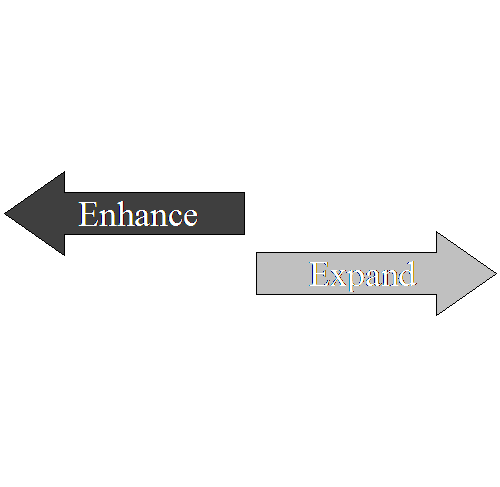
E-Businesses are not static-nor are their business models. Constant evolution is necessary for survival. Executives can choose among the four paths for evolving an e-business that are depicted below. This case example uses this framework to examine how executives at American Express evolve their e-business model.
Exit a business or market, or drop a product/service offering Add
functionality, features or capabilities to improve current product/service offerings product/service offering or enter new geographic markets business and/ or add new business models


Add new
Enter new
lines of
Exhibit 4: The Internal Business
Development Process
Internal
Business Development