General information about Ecuador
Activities
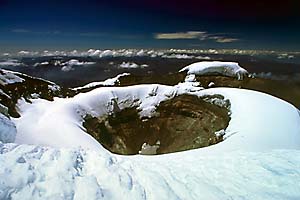
One of the best areas for trekking and climbing is the Parque Nacional Cotopaxi, south of Quito, whose centrepiece is Cotopaxi, a 5897-metre cone-shaped active volcano. Baños, further south, is a good base for short walks and ambitious climbs, and has the added attraction of thermal springs. Area Nacional de Recreación Las Cajas, near Cuenca, is rugged hiking country in bleak terrain scattered with beautiful lakes. The 6310-metre Chimborazo is Ecuador's highest peak and is for experienced climbers only. The area around the mountain, however, is suitable for less strenuous treks. The ChimborazoCarihuairazo circuit where you well see Indians cutting ice, paramos, llama herds and crops. The three Mojanda lakes of glacial origin are surrounded by paramos and Andean scenery.
Antisana trips brings one into contact with several lakes, hot water baths, clouds forest, old haciendas and paramos. Llanganatis, legendary location of the Inca treasure, supports diverse, paramo vegetation. The Royal Inca Road extended 2,023 miles, from Quito to Santiago de Chile; part of this in the central valley can still be walked, connecting with Ingapirca, the most important Inca ruin in Ecuador; lakes, beautiful scenery, crops and agricultural villages will be found on the way. Don't forget to visit the coast: Machalilla Mangrove reserves; in the south Puyango River and Petrified Forest excursion, the observation of plant and animal fossils, as well as existing vegetation.
Horse backriding, what better way to get to know Ecuador than from the saddle of a horse? Introduced by the Spanish Conquistadores horses are still a principal means of transport for a large part of the rural population.
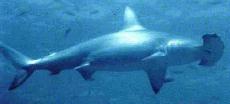
Scuba diving is possible in the Galápagos Islands but you must have your own equipment and book a tour in advance. Snorkelling in the archipelago is less hassle and you may find baby sea lions approaching to stare at you through your mask. Bring your own snorkelling gear.
Jungle excursions: Tena, Misahualli, Puyo, LoretoCoca Road, Cuyabeno, Zancudococha, Lagartococha, Limoncocha, La Selva, Yuturi Complex, and Napo River. Many species of birds can be seen: hoatzin, horned screamer, kites, hawks, hawkeagles, powerful harpy, antbirds, manakins trogons, cotingaas, toucans, barbets, curassows, parrots and macaws. Notable species what can be seen are Lycaste ciliata, Maxilaria camaridii, Maxilaria chacoensis, Rodrigueria lanceolata, Scaphyglotis amythystina, Pleurothallis species. Fishing is abundant in almost all of the rivers and lagoons, especially when it is not raining too much. The best rivers are the Napo, Aguarico, Tiputini, Jivino and Tivacuno. The best lakes are Limoncoha, Yuturi, Lagarto and Zancudococha. Most notable species are catfish, piranhas, raspabalsas, bocachico, paco, electric eels and many more.
Bird-watchers In the coast the major diverse areas are Santo Domingo, Rio Palenque, Atacames, Muisne, Guayaquil Gulf, Cerro Blanco, Salinas, Punta Carnero, Machala and Arenillas. The region's important species are the palemandibled aragari, greybacked hawk, Guayaquil woodpecker, bluetailed trogon, Esmeraldas antbird, whitetailed jay, pale brown tinamou. Peruvian tickknee, redmasked and grey cheeked parakeets and gulls.
The most accessible sites in the Sierra are El Angel Paramo, El Placer, San Lorenzo (railroad), Quito, Nono, Mindo, Chiriboga, Papallacta, Baeza and San Rafael. The following species are notable: condor, carunculate caracara. Andean lapwing, Andean gull, blackfaced ibis, Ecuadorian hill star, canasteros and thistletails. And of course you should take a jungle tour, and visit Area Nacional de Recreación Las Cajas, Parque Nacional Cotopaxi or the Galápagos Islands.
More information about trips in Ecuador: EcuaTrips
<<<<< Off the track
|