World History – Mr. O’Donnell
ROMAN MAGISTRATES
CONSULS |
2, elected annually from 509 B.C. |
· first plebeian in 366 B.C.· [but, in the next 100 years, only 32 families provided 90 plebeian consuls |
INTERREX |
served only five days |
· originally served during the time between the death of one king and the qualification of another· later appointed to conduct elections for consul or dictator |
CONSULAR TRIBUNES |
2, 3, 4, 6 elected for annual term |
· first elected in 444 B.C., to meet plebeian demand to be included in chief magistracy, but without having to elect a plebeian to be consul; there were no consuls elected when Consular Tribunes were elected.· first plebeian elected in 422 (?) or 400 (?) [Livy] |
CENSORS |
2 elected, every five years
|
· first plebeian in 351 B.C.· 2 plebeians for the first time in 131 B.C. |
PRAETORS |
· #1 in 367 B.C.· #2 in 241 |
· first plebeian in 337 B.C. |
CURULE AEDILES |
2, elected every other year, from 367 B.C. |
Two PLEBEIAN AEDILES were elected annually from among and by the plebeians, beginning (trad.) in 494 B.C. |
QUAESTORS |
· 2 originally· 4, from 421· 8 from ca. 267· 20 from 80 B.C. |
. |
TRIBUNI PLEBIS |
· 2, originally; ultimately 10.· elected NOT by the People (Populus) but only by the Plebs, in the Concilium Plebis· elected for a one-year term· power confined to the City and outward to the First Milestone. |
ROMAN RELIGIOUS OFFICIALS |
PONTIFEX MAXIMUS |
first plebeian elected in 254 B.C. |
PONTIFICES |
first plebeians in 300 B.C. Originally two, ultimately 15. |
AUGURES |
first plebeians in 300 B.C. |
XV VIRI SACRIS FACIUNDIS |
first plebeians in 368 B.C. |
SEPTEMVIRI EPULONUM |
first plebeians in 300 B.C. |
Rex Sacrorum |
always a patrician |
FLAMEN DIALIS |
Priest of Jupiter. Always a patrician. |
FLAMEN MARTIALIS |
Priest of Mars. Always a patrician. |
FLAMEN QUIRINALIS |
Priest of Quirinus-Romulus. Always a patrician. |
Flamen Volcanalis |
Priest of Vulcan. Always a patrician. |
Flamen Volturnalis |
Priest of Volturnus (Etruscan). Always a patrician. |
Flamen Palatualis |
Always a patrician. |
Flamen Furrinalis |
Always a patrician. |
Flamen Floralis |
Always a patrician. |
Flamen Carmentalis |
Always a patrician. |
Flamen Cerialis |
Always a patrician. |
Flamen Falacer |
Always a patrician. |
Flamen Pomonalis |
Always a patrician. |
04/20/2001
Magistrates of 54, 53 and 52 B.C.
|
|
|
|
|
|
|
|
54 |
Consuls:-L.Domitius Ahenobarbus |
Praetors:
-?Marcus Claudius Marcellus (cos. 51) |
|
|
|
53 |
Consuls:-Cn. Domitius Calvinus |
Praetors:-L. Aemilius Lepidus |
|
|
|
|
Tribuni Plebis:-M. Coelius Vinicianus |
|
|
|
|
|
Augurs:-M. Tullius Cicero (cos 63), in
succession to M. Licinius Crassus
Dives or his son P> Crassus (who died on campaign
in |
|
|
|
|
|
|
|
|
|
|
52 |
Consuls:-Cn. Pompeius Magnus |
Praetors:-C. Tremellius Scrofa |
|
|
|
|
|
|
|
|
|
|
Tribuni Plebis:
-M. Caelius Rufus (pr. 48) |
|
|
|
|
|
|
|
|
|
|
|
Provincial Governors:-Cn. Pompeius Magnus (both Spains) |
|
|
|
|
|
|
|
|
|
|
|
|
|
|

CHRONOLOGICAL NOTES, 59-43 B.C.
· 59 C. IULIUS CAESAR & M. CALPURNIUS BIBULUS
L.
Vatinius was tribune of the plebs working for Caesar
Caesar named governor of Gauls and
·
58 L. CALPURNIUS PISO & AULUS GABINIUS
Piso was Caesar's new father-in-law, Gabinius was Pompey's ex-chief-of-staff
CLODIUS
was tribune of the plebs: exile of
·
57 P. CORNELIUS LENTULUS SPINTHER & Q.
CAECILIUS METELLUS NEPOS
Metellus was Pompey's ex-brother-in-law
Pompey named Grain Commissioner pro consule for 5
years, and on April 5 was authorized to spend 40,000,000 HS
Return of Cicero (July SC; Aug.4 law by people; return Sept. 4)
·
56 CNAEUS CORNELIUS LENTULUS MARCELLINUS &
L. MARCIUS PHILIPPUS Clodius was aedile:
February: prosecuted Milo de vi (who was supported by Pompey)
April: `Conference at Luca' Caesar with Pompey and Crassus
(First Triumvirate)
Trial of M. CAELIUS Rufus de vi (Cicero for the defense, April 4)
Lentulus supported the optimates,
and opposed the candidacy of Pompey and Crassus for
consuls for 55.
·
55 Interregnum during part of
January.
CN. POMPEIUS MAGNUS & M. LICINIUS CRASSUS
Pompey granted command of Spain for 5 years, Crassus of
·
54 LUCIUS DOMITIUS AHENOBARBUS & APPIUS
CLAUDIUS PULCHER
M. Porcius CATO praetor de repetundis
(trials of Scaurus and of Gabinius)
Julia, daughter of Caesar and wife of Pompey, died in childbirth.
·
53 Interregnum from January 1 to July
CNAEUS DOMITIUS CALVINUS & MARCUS VALERIUS MESSALLA RUFUS
Crassus and his son died (June 9) at Carrhae in Mesopotamia .
·
52 Interregnum from January 1, until V. a.d. Kal Mart (Day 76/77 of year)
CNAEUS POMPEIUS MAGNUS SOLE CONSUL until July
Q. CAECILIUS METELLUS PIUS SCIPIO NASICA, from July (Metellus
was Pompey's brand new father-in-law)
January
18: MURDER OF CLODIUS BY
APRIL 7
·
51 SERVIUS SULPICIUS RUFUS & MARCUS CLAUDIUS
MARCELLUS
Marcellus was strongly anti-Caesarian
Cicero Cilicia
·
50 LUCIUS AEMILIUS LEPIDUS PAULLUS & CAIUS
CLAUDIUS MARCELLUS
Paullus tended to support Caesar,
Marcellus was adamantly opposed to him.
Marcus CAELIUS Rufus curule aedile
Caius Scribonius CURIO tribunus plebis: accepted a huge
bribe to support Caesar
Cicero Cilicia (July), and reached Rome Jan. 4 49 )
·
49 CAIUS CLAUDIUS MARCELLUS & LUCIUS
CORNELIUS LENTULUS CRUS
Both consuls were anti-Caesarian
MARCUS ANTONIUS tribunus plebs: fled Rome
January:
CAESAR crossed the Rubicon (Jan. 10/11). Pompey and the consuls left
· 49,
Jan. 7 Crossing of the Rubicon: The Civil War
Begins
Caesar DICTATOR I
· 48 CAESAR CONSUL II and DICTATOR II (into 47)
Battle PHARSALUS Thessaly )
August 9 (actually 6 June): Defeat of Pompeians
· 48/7
Alexandria Egypt
· 47 Caesar DICTATOR
Battle Pontus Turkey
Returned to Italy
Debt measures
· 46 CAESAR CONSUL III; LEPIDUS
Battle Thapsus Africa : Tunisia Utica
Four
TRIUMPHS in
DICTATOR III (for a ten
year term! Probably in April)
Caesar named Curator of Morals for the State
Dedication of the Forum of Caesar and the Temple of Venus Genetrix
The Year 46 had 15 months because of Caesar's revision of the calendar
· 45 CAESAR CONSUL IV
(without a colleague!
Abdicated ca. October 1)
DICTATOR IV (April, no break after Dict III)
Battle of MUNDA (Spain
TRIUMPH Spain
The new consul (from October 1) Quintus Fabius Maximus, died suddenly on December 31.
· 44 CAESAR CONSUL V MARCUS ANTONIUS
Caesar still DICTATOR IV, but named DICTATOR PERPETUUS (between January 26 and February 15)
March
15 ASSASSINATION OF CAESAR
· 43, August 19 YOUNG CAESAR (the future Augustus) named CONSUL [age 19]
Return
to the Greek and Roman
History List.
The Fall of the Roman Empire :
Some (Sometimes Silly) Explanations
[Strategy and Tactics Magazine #39 (1973), p. 21 (characterizations added)]
· PLAGUES reduced the population, and the fertility of the survivors. [Medical archaeology]
· LEAD PIPES and utensils poisoned the aristocracy, lowering their birth-rate and intelligence level of this most important class (S. Colum Gilfillan) [Eugenics]
· The admission of INFERIOR RACES to the citizenship lowered the vigor of the Pure Roman Stock. [Racism]
· CHRISTIANITY made people less concerned with this world. (Edward Gibbon) [Religious Bigotry, Enlightenment]
· Augustus’ jury-rigged apparatus of state was unable to cope with certain types of crisis. [Systems Analysis]
· CIVIL WARS sapped the strength of the Empire. [The Military Theory]
· The People praciticed BIRTH CONTROL without restraint, thus causing a loss of population. [Medical/Religious]
· Failure to establish a workable CONSTITUTION. [Legal/Systems Analysis]
· ‘Bread and Circuses’: the people became LAZY. [The Welfare Argument]
· The ARMY got out of hand due to lowering of standards of discipline [Military Theory, Part II; moral] God turned his favor from Rome because of its sins [Religious Explanation, Old Testament, St. Augustine; Moral]
· The State collapsed under the weight of its bureaucracy. [Systems Analysis]
· The BARBARIANS became civilized enough to contend with the Romans on an equal footing. [Racism]
· Abandonment of the old religion, which had given moral strength to the Roman People [Religious] Widespread HOMOSEXUALITY among the upper classes led to a decline in the birth rate among aristocrats, thereby reducing the available pool of leadership manpower. [Sexism, Aristocratic Political View of Eugenics]
· ORGIES and VENEREAL DISEASE and other entertainments sapped the vigor of the Roman People. [Moral, Medical, Welfare Argument]
· LIBERAL-THINKING EMPERORS attempted to spend too much on the poor in their efforts to lift them up, thus draining the financial resources of the Empire [Political-Republican; Financial]
· The flow of gold to the Orient to pay for luxury goods eventually dealt a death blow to the Roman economy. [Economic]
· The existence of slavery and an impoverished citizen mass created a large internal proletariat which would eventually prove disloyal to the empire [Marxism].
· The Aristocracy permitted too many of the lower classes to participate in affairs of state, thereby diluting the value of experience and brains which the Aristocracy possessed. [Eugenics: pro-Aristocratic]
· As the State became more despotic, the average citizen, and even members of the Upper Classes, became less interested in it, thereby causing a LOSS OF CONFIDENCE and support. [Psychological Argument, Aristocratic subspecies]
· Abandonment of the old, good Roman institutions and virtues which had helped to bring Rome to greatness [Fear of Change; Moral]
· Too many of the old institutions were left with a measure of power, which tended to disrupt the machinery of Empire [Progress vs. Obstructionism]
· Easy living made the Romans soft, permitting the Barbarians to overrun them with ease. [Moral, Racism]
· Slavery impoverished the Citizenry. [Economic, Class-based]
· The bulk of the inhabitants of the Empire failed to share in the incredible prosperity, remaining impoverished and restive. [anti-trickle-down Economics; Marxist?]
Reading:
·
-Michael Grant, The
Fall of the Roman Empire : A Reappraisal
(1976)
· -Mortimer Chambers (ed.), The Fall of Rome: Can it be explained? (NY: Holt, Reinhart Winston 1963).
·
-Donald Kagan (ed.), The End of the Roman Empire :
Decline or Transformation? 2nd ed. (D. C. Heath 1978).
·
-Ramsay MacMullen,
Corruption and the Decline of Rome
· -Ramsay MacMullen, Roman Government’s Response to Crisis, A.D. 235-337 (New Haven: Yale, 1976).
· -Alexander von Demandt, Der Fall Roms. Die Auflösung des römischen Reiches im Urteil der Nachwelt (Munich 1984).
·
-A.H.M. Jones, The
Decline of the Ancient World (London
·
-Walter Kaegi,
Byzantium Rome Princeton 1968).
·
-Arther Ferrill, The Fall of the
Roman Empire : The Military Explanation
(London: Thames & Hudson 1986).
Return to the Greek and Roman History List.
|
|
|
|
|
|
|
|
|
|
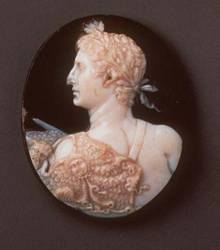
BUILDING PROJECTS
|
|
|
|
|
|
|
|
|
|
|
|
|
|
|
|
38 |
|
Hut of Romulus on the Palatine burnt (rebuilding) |
|
|
|
36 |
|
Triumph: Cn. Domitius
Calvinus rebuilds the Regia
in the Forum |
|
|
|
35 |
|
House and Gardens of Maecenas on the Esquiline |
|
|
|
34 |
|
Triumph: T. Statilius Taurus
(June 30): theater in the Campus Martius (dedicated
in 30 B.C.) |
|
|
|
33 |
|
Marcus Agrippa is Aedile:
Octavian: the Porticus Octavia in the Campus Martius (from the spoils of the Dalmatian War) |
|
|
|
32 |
|
Flood: The Pons Sublicius is washed away. |
|
|
|
31 |
|
Fire: The Circus Maximus, Temple of Ceres, Libera and Libera, and the Temple of Spes are destroyed (Dio 50. 10.3) |
|
|
|
30 |
|
Octavian (after Actium): decrees
for a triumphal arch in the Forum; the adornment of the Temple of Divus Iulius with rostra |
|
|
|
29 |
|
Octavian:
|
|
|
|
28 |
|
Octavian:
Triumph: May 26: C. Calvisius Sabinus, who rebuilds the Via Latina. |
|
|
|
27 |
|
January 13: Restoration of the Republic January 16: honors voted to Augustus, and decoration of his house Restoration of the Via Flaminia, from Rome to Rimini (from the manubiae of the triumphs of 29) |
|
|
|
26 |
|
Agrippa; dedication of teh Saepta Julia in the Campus Martius |
|
|
|
25 |
|
Agrippa: completes the Porticus Argonautarum, the Laconicum Sudatorium, the Pantheon |
|
|
|
23 |
|
Flood |
|
|
|
22 |
|
September 1: Augustus: dedication of the Temple of Jupiter
Tonans on the Capitol |
|
|
|
21 |
|
Lepidus and Lollius
(the consuls) restore the Pons Fabricia,
destroyed in the flood of 23. |
|
|
|
20 |
|
Augustus: obtains a decree for a Temple of Mars Ultor on the Capitol, a repository for the Parthian
Standards until the completion of his Forum Augustum |
|
|
|
19 |
|
Triumph: L. Cornelius Balbus: the Theater of Balbus, the Crypta Balbi in the Campus Martius (dedicated in 13) |
|
|
|
17 |
|
May 31-June3 LUDI SAECULARES in the
Campus Martius: an Altar of Dis
and Proserpina. |
|
|
|
16 |
|
Augustus: rebuilding of the Via Appia
and the Via Salaria, ex senatu
consulto |
|
|
|
15 |
|
Vedius Pollio (d. 15) left Augustus most of his estate, for the purposes of public building: Porticus Liviae (dedicated 7 B.C.) |
|
|
|
14 |
|
Fire Basilica Aemilia burned. Flames reached the Temple of Vesta (which had to be restored) |
|
|
|
13 |
|
Ara Pacis:
decree authorizing its foundation passed (July 4) |
|
|
|
12 |
|
Augustus: named Pontifex
Maximus. He made part of his residence
public property, while the Domus Publica was assigned to the Vestal Virgins; a shrine of Vesta was established on the Palatine (April 28) |
|
|
|
11 |
|
Augustus: dedication of the Theater of Marcellus |
|
|
|
10 |
|
Augustus: altar and shrine to Mercury on the Esquiline (New Year's gifts) |
|
|
|
9 |
|
Augustus: January 30: Dedication of Ara
Pacis Augustae |
|
|
|
8 |
|
Augustus: the Census, extension of the Pomoerium,
division of the City into fourteen Regiones (maybe
done in 7), delimitation of the banks of the Tiber |
|
|
|
7 |
|
January 1: Triumph of Tiberius (cos
II) |
|
|
|
6 |
|
|
|
|
|
2 |
|
February 5: Augustus named Pater
Patriae |
|
|
|
A.D. 5/9 |
|
Altar to the Numen Augusti dedicated by Tiberius Caesar |
|
|
|
A.D. 6 |
|
Aedes Castoris et Pollucis dedicated |
|
|
|
A.D. 7 |
|
August 10: Altar of Ops and Ceres in the Vicus Jugarius founded |
|
|
|
A.D. 10 |
|
Aedes Concordiae Augustae in the Forum dedicated |
|
|
|
A.D. 13 |
|
Signum Iustitiae Augustae dedicated |
|
|
|
A.D. 14 |
|
August 19: Death of Augustus |
|
|
|
|
|
|
|
|
|
|
|
|
|
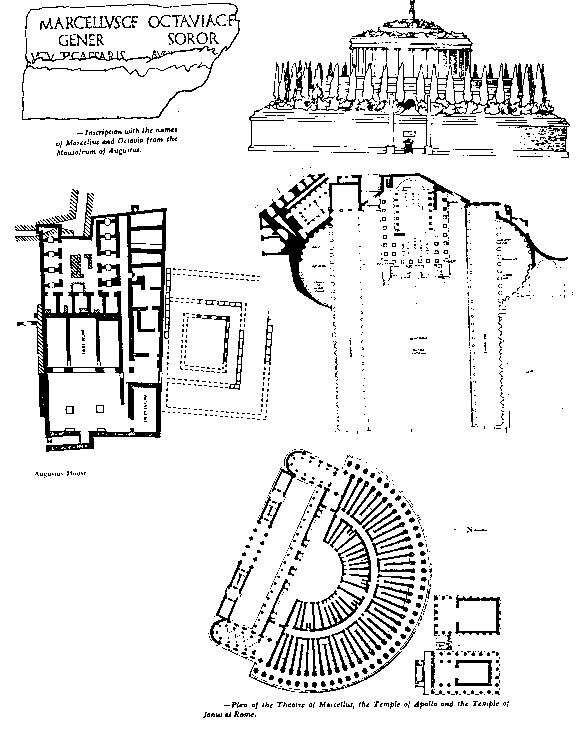 Plans and drawings
Return to the Greek and Roman History Page.


|
|
Roman history begins in a small village
in central Richard Hooker |