
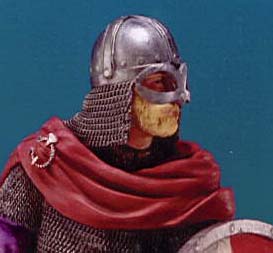
877 Farthegn - a divisional commander of "The Great Army" of Vikings becomes overlord of an English village in Northamptonshire. It is now called Farthingstone.
ca 950 Farthegn - resident of Northamptonshire and father of Thurlac Fertheng (see below).
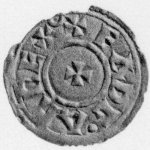
959 to 972 Farthein / Farthen / Fardein / Farden / Carthen (sic) - royal moneyer(s) for King Eadgar in the Danelaw. The different spellings may indicate more than one moneyer.
972 to 984 Thurlac Fertheng - surety for Bishop Aethelwold in Northamptonshire. The Bishop was later canonized. Thurlac had a son named Leofsi, an Old English name meaning "dear victory". This is a good indication that Thurlac's wife was English. John of Wallingford was probably thinking of Thurlac when he complained sourly that the Danes were always combing their hair, changing their underwear and taking baths on Saturday "in order to overcome the chastity of the English women and procure the daughters of noblemen as their mistresses."
There were so many Anglo-Scandinavians with reddish-blond hair that in Northamptonshire the word "dane" was a term of reproach meaning "a red-haired man".
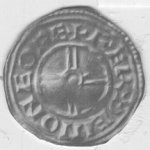
979 to 985 Fartheng / Faerthen / Ferthen - moneyer(s) for King Aethelred II in Lincoln. Coin guides show Fartheng to be a form of Farthegn.

1017 to 1023 Ferthen - moneyer for King Cnut in Thetford, Norfolk.