
The Great White Hunter's Home Page

Hunting camels, goats, and brumbies in the Goldfields of Western Australia.
|
This is as close as most
hunters get to camels! Camels
are extremely elusive and for that reason they are very difficult and very challenging to
hunt. |
|
|
|
|
|
|
|
|
|
|
|
|
|
|
|
|
|
|
|
|
|

BACKGROUNDAustralia is the only place in the world that is home to wild
camels. Camels were brought to Australia from India and the middle east by early settlers
during the 1840’s to the early 1900’s to serve as beasts of burden. They are
well suited to the harsh climatic conditions of inland Australia where more tradition
forms of transport did not fair nearly so well. The introduction of the motor vehicle to
the outback saw many domestic camels released to the wild where with no natural enemies
and an abundance of food they soon flourished. During the 1920’s an estimated 20,000
animals called this continent home. Today their numbers have swelled to a population
estimated to be in excess of 300,000. With few if any natural predators and a recent run
of good seasons, the wild camel population in Australia is doubling every six to ten
years. Unchecked they will number 1.2 million in 15 years. The single-humped camel (Camelus dromedarius) is a
large animal with a big bull standing at over 2.5m at the shoulder and weighing in at a
“Jenny Craig – shattering” 1,000 kilograms (2,250 pounds). A female might
come in at about half that weight. HABITSBeing very social animals, camels can live in
large herds of 30-40 animals, depending on the time of year.
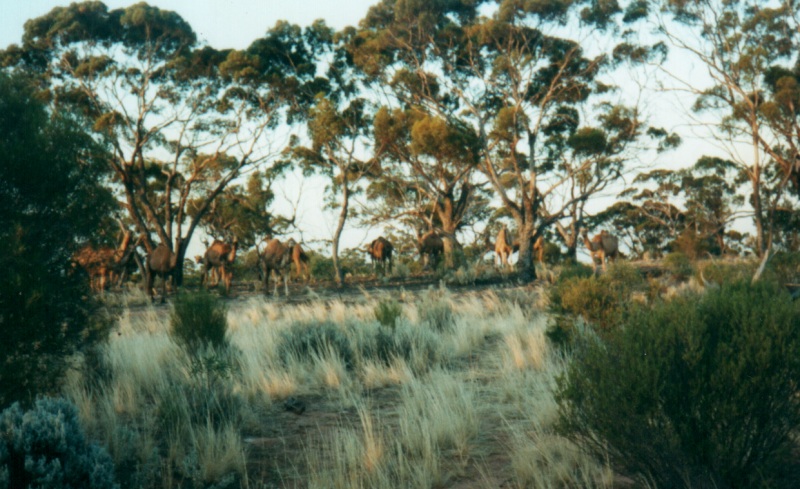
The author stalked to within 40 metres of this herd of 14 camels! It was only after I stepped out from behind a bush to take an unobstructed photo that they saw me.
The herd of camels above are within the trees at the back of this photo.
Camels are very elusive, depending on the
availability of water, these beasts move around a lot. In Winter, they roam far and wide
and this is the most difficult time of year to hunt them. The granite country holds a lot
of water so they don’t need to return to water holes. In Summer, when all the water
dries up it is even more difficult to hunt them! When temperatures soar in to the
40’s, condition are very unpleasant for the hunter. If you are fortunate enough to
locate a water hole and you are lucky enough to have water in that water hole, then you
have a very good chance of bagging yourself a camel. But alas finding water holes in
summer is often more challenging than finding a camel.
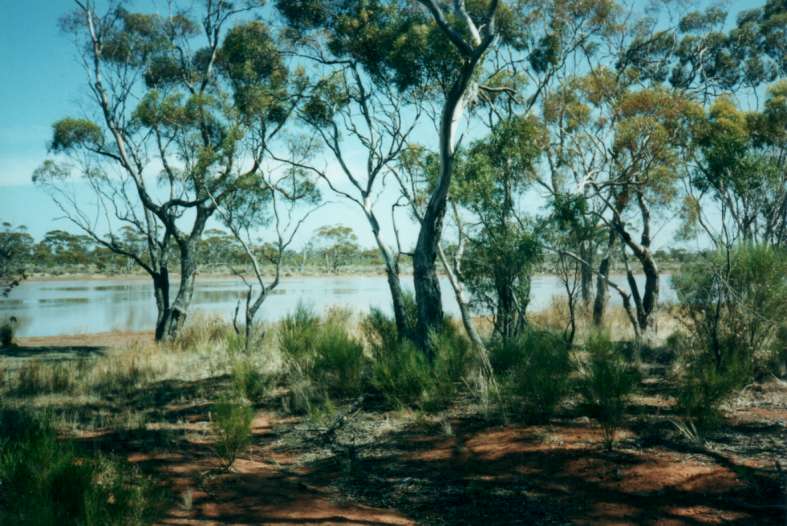
If you are fortunate enough to find a water hole like this one in camel country, success is all but assured. The author bagged a bull about 500 metres from here.
BEST TIME OF DAYAny time is camel time. I’ve seen camels in
the early morning, late afternoon, and during the heat of the day. My observations also
suggest they move around a lot at night, so I couldn’t see why spotlighting would not
work. PREFERRED HABITATI have found that the “lake country” yields the most
camels. Around the salt lakes of Western Australia are a good place to start but camels
are where you find them.
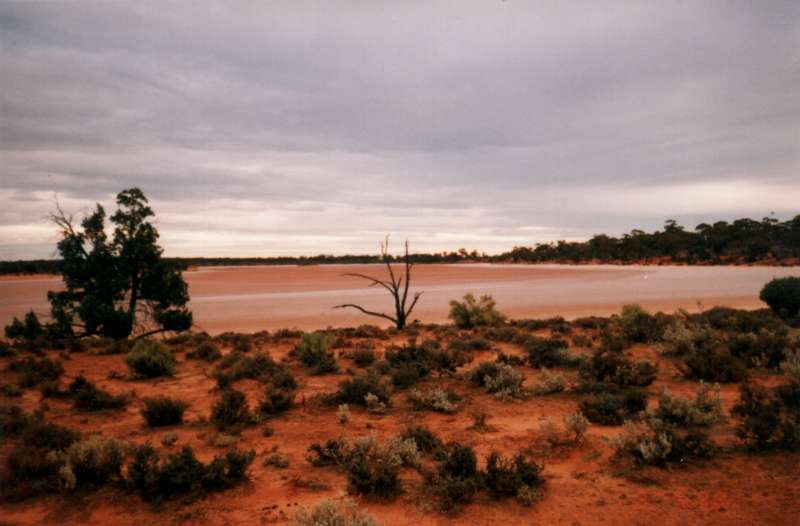
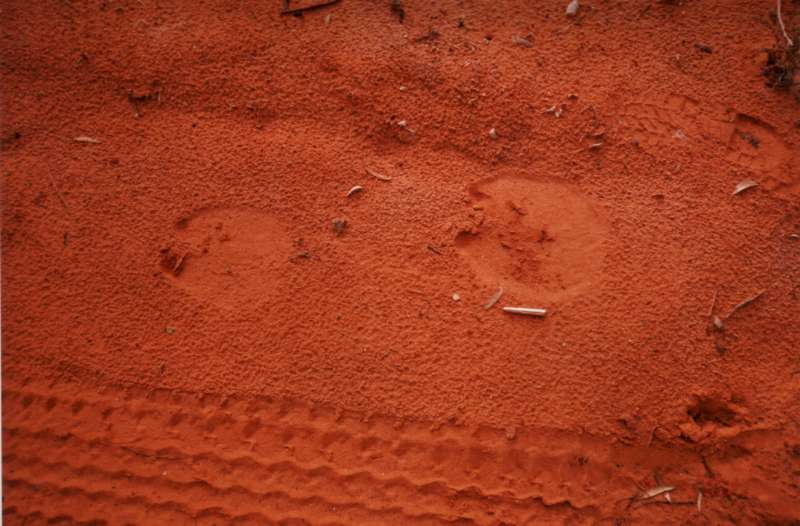
Any lake country should be treated with suspicion. These very fresh camel tracks were found beside this lake. These direct camel indicators get the hunter very excited. The cartidge is a .30/30 Win.
CALIBRESCamels are a big, tough animal that can absorb a lot of lead. For that reason, think big when it comes to the choice of “fire-stick” employed to put these big nomads down. There is nothing more frustrating for the hunter than to have wounded game get away especially when one has had to work very hard to be in a position to make the shot in the first place. I am reminded of the words of wisdom of S. H. Edwards in his classic title “Shooting and Shooting Bushcraft” when he offers the following advise,
“It is folly to have a rifle that will only kill when a vital spot is hit when a heavier calibre weapon would kill when the hit was four or five inches off that vital spot”.
Great advice!
I would favour calibres in the class off .270 to
.30-06 and larger with premium projectiles, capable of reaching out to 400 yards and
beyond. I’ve heard of people using the .22-250, .223, and .222 trying for neck shots
and the like. Again I would say, THINK BIG! Leave the hot 22’s for busting bunnies
and sniping goats. A big game animal needs a big game rifle. I use the 270 Winchester with premium big game projectiles such as
Winchester’s 140 gn Fail Safe and Speer’s 150 gn Grand Slam. These projectiles
aren’t cheap to buy but considering that they have NEVER disappointed me, they are a
very good investment. When one considers the other costs that go into a hunt a few extra
dollars spent on projectiles are more than worthwhile. After reflecting on the cost of the
hunt, the time taken to get that big bull camel in your sights, the thrill of seeing that
animal go to the ground, the excitement of being photographed with your prize, the joy of
recounting the adventure to your friends, you will be glad you used a big calibre and the
cost of ammunition will be the last thing you remember! VEHICLES
The author's 4WD vehicle.
SEASONAll year round. There are no limits on when camels
can be hunted. BAG LIMITSAs camels are an introduced species, there are no
statutory regulations restricting the numbers that can be shot. The number of camels you
may take is dependant only on you. CAMEL STEAKSAlthough "Arabian Beef" (the meat from
camels) would probably not get “the tick” from “The Heart Foundation”,
camel steaks taste fantastic – better than beef! We use "Arabian Beef" in
everything from stir-fry, BBQ's, Parmagarna
|
 E-mail: The_GreatWhite_Hunter@Hotmail.com
Copyright 2001. All Rights Reserved.