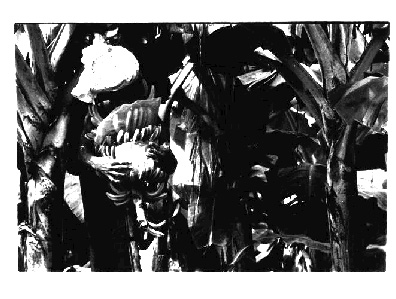
An even worse predicament for the village is the fact that the river and the sea, both of which have been one of their major sources for food and income before, have not been spared from pesticide defilement. Their waters, which used to be teeming with fish, are now heavily polluted with chemicals. Fishermen recall a time 30 years ago, “when we used to garner up to 200 kilos of fish everyday. Now we are lucky if we can catch 2 kilos of it.” They have also observed the regular occurrence of fish kills, when there used to be none. And due to extreme poverty, people eating the contaminated fish cannot be avoided, and they end up getting sick as a result. Complaints have been repeatedly brought up to the plantation owners but the owners refused to claim responsibility in the sea contamination. The fishermen then tried to appeal to provincial authorities and they even took samples of the dead specimens, water, and soil to the town hall, but again their pleas merely fell on deaf ears and no definite action was taken.
With pesticides destroying the natural life in the land and water they were dependent on, the villagers who once never went hungry suddenly found themselves going to bed on empty stomachs.


