While much of the world sleeps, vampire
Clue come out of dark caves, mines, tree hollows, and abandoned buildings in Mexico and Central and South America. They glide silently through the night air as they search for food.
Like the legendary monster from which they get their name, vampire, these small mammals drink the
Clue of other animals for survival. They feed on blood from cows, pigs, horses, and birds. Though uncommon, vampire bats sometimes even bite humans for blood.
Rather than sucking blood, vampire bats make a small cut with their teeth and then drink up the flowing blood with their tongues. These bats are so light and agile that they are sometimes able to
Clue blood from an animal for more than 30 minutes without waking it up. The blood sucking does not hurt the animal.
Vampire bats have special skills to help them with their unique feeding needs. Unlike some other species of bats,
Clue bats can walk, run, and jump. They have very strong legs and a special thumb that helps them take off after feeding. Also, heat sensors on their noses help them find a good spot on an animal’s body to feed.
What happens if vampire bats don’t get their nightly meal? If they can’t find blood for two nights in a row, they will die. Luckily, female bats can be generous. Well-fed bats will often throw up blood to share with others, in exchange for grooming. Female bats in captivity seem especially friendly toward new mothers. After a
Clue is born, other bats have been observed feeding the mother for about two weeks after the birth.
Are vampire bats really that scary? Even though bat bites themselves aren’t harmful, vampire bats can spread a disease called rabies. This disease hurts farm animals. However, vampire bats can actually be quite tame, and even friendly to humans. In fact, one researcher reported that he had vampire bats that would come to him when he called their names.
click here to view bat video
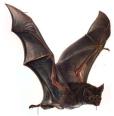 The legendary Vampire Bat