

In the Northeast zone Argentina it has very varied amount of tourist attractions, the distances between and others usually he is great, (from the Iberá Lagoon to Cataracts there are 600 Kilometers), also the difficulty of the ways can delay any itinerary, But experimented of the our guide and good state of its vehicle as much makes that the earth trips as by the river they are a true adventure.
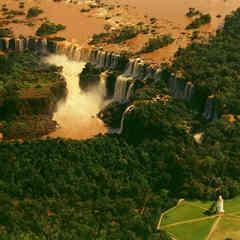
To go into in the middle
of this natural wonder is very easy. The design of the peatonales circuits
superior and inferior allows to approach more than 270 jumps from all the
possible angles. First one goes into in the forest and it leads, by perrons that
go in reduction, to the jumps Two Sisters, Alvar Núñez and Lanusse. The second
however, allows a perspective "of postcard" of the Throat of the Devil, an
enormous tube in which converges several spectacular cascades and from which the
Iguazú, that up to here slides like a calm river, steeply falls to the emptiness
from its peak altitude of 80 meters, to end at Parana, 20 kilometers advanced
more to the height of Iguazú Port.
The National Park Iguazú
is to the north of the Province of Missions, in Argentina, and to the southwest
of the State of Parana, in Brazil.
Throat of the Devil (embarked):
Access in boats until the base of the most spectacular jump of the Cataracts of
the Iguazú. To be contributor of the spectacle of formation of rainbow from the
water.
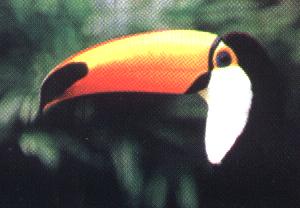
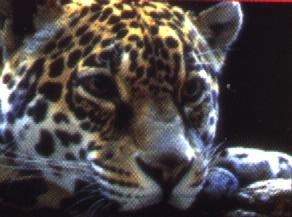
Macuco Footpath: The footpath, crosses the virgin forest and towards the end of the same one it is acceded to a viewpoint from where the channel of Inferior the Iguazú River is observed. In addition to a dreamed landscape, the route offers the contact with the fauna of the zone.
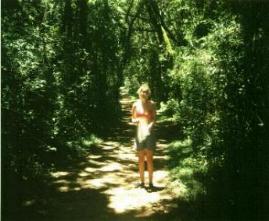
At the end of the footpath is Macuco Port from where it is possible to be acceded to a stroll in boat by Inferior the Iguazú River, happening through Salto Arrecha, of 35 meters of height, and by Big hole, ideal point to observe the Argentine jumps.

The jumps of the MOCONÁ,
(que in Guaraní language means WHAT ALL IT SWALLOWS IT) is a hidden wonder of
Missions, is a geologic fault where the rivers Uruguay, Pepirí Guazú, Serapio
and Calixto come together, forming a tube of 3 kilometros of length with
parallel waterfalls to his causes, being able to reach the 20 meters of height
and 80 meters of depth, these jumps are not always visible then when the river
increases its level, such disappear under the current.
In the place he is ideal
for the accomplishment of safaris photographic. All the area is a Provincial
Park, constituting a natural refuge for the birds and mammals persecuted by the
indiscriminate house.
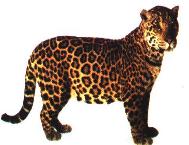
A passage in vehicle sets
out 4 xs 4, whose route is possible to observe different jumps lunch in the
place, senderismo accompanied by guardaparques, crossed by the top of the river,
and exists the option to sleep in the reserve in carps in the middle of the
forest (next to the house of guardaparques because dangerous animals exist).
Jesuíticas ruins.
Ruins of
San Ignacio, jesuita legacy
The Ruins of San Ignacio
Miní, attest the jesuítica work, where the indigenous culture and the European
megred.
Declared national
historical monument and cultural patrimony of the humanity by UNESCO; San
Ignacio Miní was founded by the missionaries of the Company of Jesus.
As of 1631, the activity
of the ignaciana order was concentrated throughout the margins of the Uruguay
rivers and Parana, in the present province of Missions, ten reductions rose: San
jOse; Apostles; Corpus; Santa Ana; The Candlemas; Santa Maria the greater one;
San Javier; Loreto and most important San Ignacio Miní.
San Ignacio is to 56 km
of distance of Inns. The population is locates next to the jesuítica reduction.
In his apogee it got to
count on a population of 4500 guaraníes. Expelled the Jesuitas in 1767, San
Ignacio Miní survived until he was destroyed, like other towns, during the war
of 1817 borders.
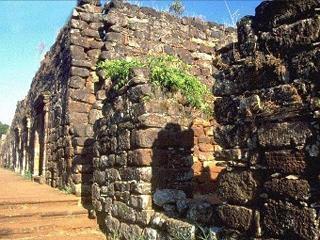
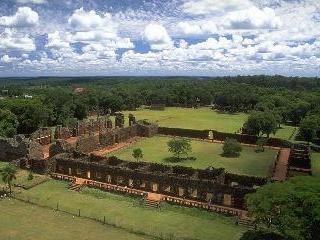
Part of the ruins of the set was inserted within the present layout of the town of San Ignacio. Outside the perimeter of the town are parts of the urban nucleus and leaves from different works like canalizations.
The main entrance was a
central street whose perspective, focused in the cover of the temple, shows the
conception barroca whereupon the urban space in the missions was structured. The
greater temple, of three ships, was constructed with stones of the zone, the
cover era of roofing tiles, to two waters, maintained by a wood structure. In
all the architecture of the establishment the guaraní legacy can be appraised,
doves, and drawings of the flowers of the place.
Also a small excursion to
the house of the writer Horacio Quiroga, turned today museum is possible where
great part of their personal objects is exhibited.
Horacio Quiroga, defined
Uruguayan Writer like the best brief cuentista of South America, that lived and
it was inspired by these earth.
And to make a route by
places of exuberante nature like Ozununú, and the provincial park Rock of the
teyú Cuare
Iberá Lagoon
For those who have interest in the ecology and the medio.ambiente, the matting of the Iberá, that in guaraní language means "shining waters", constitute attractive an inescapable one.

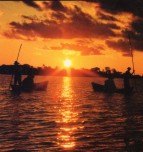
This ecosystem of almost
19,000 Km2, made up of matting, bathed, channels, streams, rivers and lagoons
of considerable extension and waters of a total transparency that allows to
observe its sand bottom, leafy banks of seaweed and great shoals of fish of fish
of different species, represents a magical world, with exotic flowers and
exuberante fauna.
The place to dice origin
to legend of "ghost islands" that appear and disappear, disorienting the most
experienced explorer, although in fact is "dammed" or floating grounds made up
of aquatic plants that, interlacing itself and with the course of the time are
forming a thick ground layer that can support to the weight of animals and until
the growth of trees, changing permanently of location by wind drift and current
of the water.

Abundant vegetation
aquatic offers colorful spectacle his plants floating, whose flowers form
extensive gardens that are lost in the immensity of the lagoons, those that
constitutes the varied habitat of one and surprising fauna that transforms to
the Iberá into a privileged place, with than 350 species of birds, standing out
more the colonies of white or "garzales" herons, reptiles like the curiyú boa or
the jacare and mammals like the lobito of river, red deer of marshes, capybara,
will water down guazú and monkeys carayá, among others.
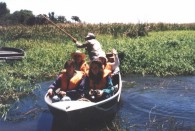
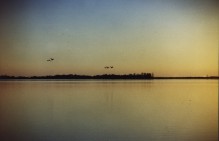
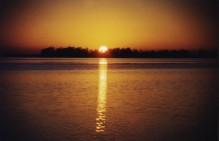
The nights in the Iberá
give rise to unknown experiences, where this natural world of wild sounds
discovers a great variety of "duendes" which they originate beliefs and legend
that make root in the villagers or "mariscadores" and that soon transmit the
visitors, being translated in emotions that feed the magic and the mystery on
this paradise of the nature, kingdom of the life and shining waters.

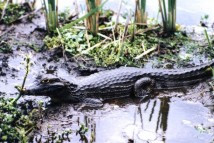
One sets out, transfer
until the almost impenetrable place through ways terraces in days of rain,
visits the town Carlos Pellegrini and route of the lagoon in boats, with guides
of the zone
Ituzaingo.
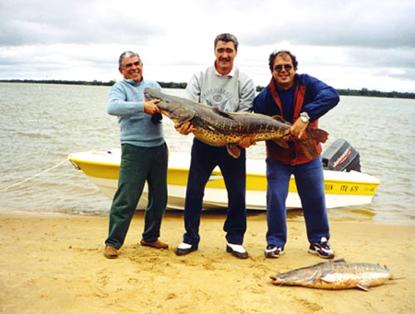
The extraordinary wealth
of their fishing resources does more of Ituzaingó one of the places admired by
the sport fishermen, to whom it offers an important variety of species of great
size. whose coveted species more are the surubí, gilded, pacú and it rows that
they share his habitat with others equally appreciated like salmon, patí,
manguruyú and catfish, to only mention most well-known, offering to the sport
fisherman a range of alternatives and modalities of fishing that without doubts
do of place one of the most important and privileged fishing boats of the
country.
The Parana river in this
section of its route has been declared zone of reserve, reason why the
commercial fishing is not allowed and consequently the practice of this sport
constitutes one of main attractive the tourist ones, being carried out in
addition during the year important matches to this discipline. Most important he
is the Aid Integration of Fishing of the Surubí that is made in the first
fortnight of October, congregating to a great amount of participants of the
region and bordering countries, given the acceptance whereupon it counts between
the fishermen.
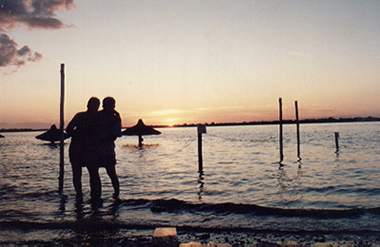
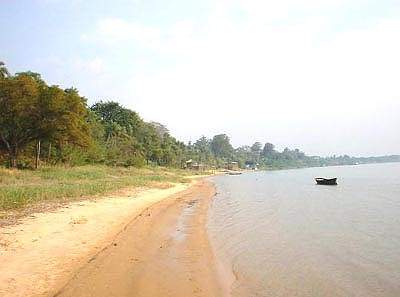
Another one of attractive
the natural ones of greater importance for Ituzaingó constitutes their beaches,
with than 15 km of extension and around 10 bath qualified more with different
services.
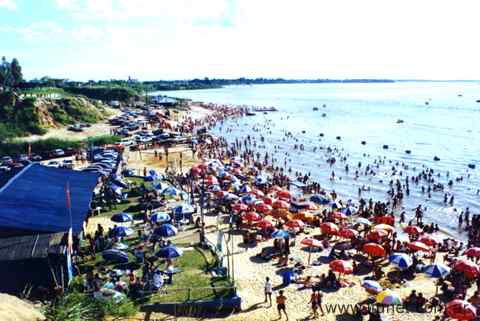
During summer season
thousands of tourists they enjoy the fine sand of its coasts, its clean waters
and discharges ravines that form a landscape of extraordinary beauty,
fundamentally in the dusks where the sun draws on the river its fire reflections.


They also exist important
campings with own beach and excellent attention, very concurred by those who
they please outdoors of the life.
The dam of Yacyretá is
doubtlessly another one of excellent attractive tourist that offers the place,
which is visited annually by more than 30,000 tourists, or or by land aquatic.
The visits by water can
take place in sport boats
by the zone of islands,
since the Parana river presents/displays in this zone a delta luck, with
exuberante vegetation and important native fauna.