 |
 |
 |
Hunstanton is a seaside town in Norfolk (UK) near where I live. As well as being a popular tourist resort it has some very distinctive cliffs.

They originate from the Cretaceous period, which is just after the well known Jurassic period (dinosaurs!!!) in the Mesozoic era. This makes them 100 million years old and some of the oldest rocks visible in East Anglia.
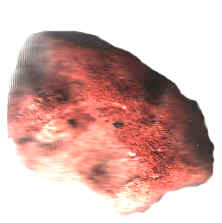
A layered stratigraphy is visible (see above) with brown carstone at the bottom. This is used as a building material locally. The white and red rock above is chalk which originates from the sea bottom and is formed from plant and animal remains which sink. (A specimen of red chalk is shown in the top left hand corner) Some shell fragments and fossils are visible.
The red colour of the middle layer is due to the presence of iron oxides but there has been much debate about how they came to be in the chalk.
Such rock patterns as this can be used to deduce information about the environment of deposition.
This photograph also shows some evidence of erosion with rocks lying at the bottom of the cliff. Erosion is a serious problem on the East Anglian coast.
