Bacterial aerobic respiration along with the increase in molecular oxygen in the atmosphere set the stage after about 2 billion years for the introduction of eukaryotic cells roughly 1.8 billions ago, which were larger, more complex cells that required more nutrients and demanded much higher energy consumption. Therefore, they were given more efficient energy production systems called mitochondria, which were produced through the modification of an aerobic bacterial cell. Amoebae and other single-celled animal cells were built and seeded into locations where they could thrive.
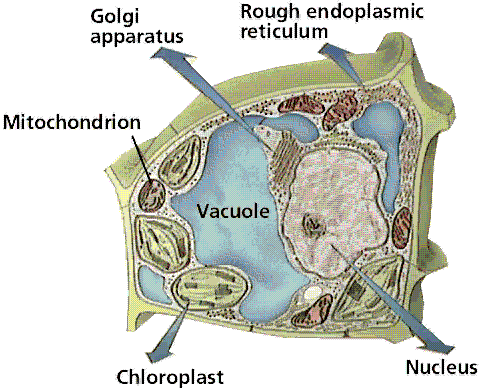
Photosynthetic protists and algae were built with a more efficient mechanism of photosynthesis (photosystem II), to harness sunlight for the manufacture of sugar from CO2 and water while releasing molecular oxygen from the water. In these organisms, photosynthesis occurs within organelles (membrane bound structures within the cell) called chloroplasts. These organelles are very much like cyanobacteria, which may have been modified by the angel molecular engineers and then placed into the archetypical plant cell (see Figure 3). One key line of evidence in support of this idea came when the DNA inside chloroplasts was sequenced—the gene sequences were more similar to free-living cyanobacteria sequences than to sequences from the plants in which the chloroplasts resided.
After the advent of photosystem II, oxygen levels in the atmosphere increased more rapidly. Dissolved oxygen in the oceans increased as well as atmospheric oxygen. This was sometimes called the oxygen holocaust. Oxygen is a very good electron acceptor and can be very damaging to living organisms. Many bacteria are anaerobic and die almost immediately in the presence of oxygen. Other organisms, like plants and animals, have special ways to avoid cellular damage due to this element (and of course require it to live). Initially, when oxygen began building up in the environment, materials already present neutralized it. Iron, which existed in high concentrations in the sea was oxidized and precipitated. Evidence of this can be seen in banded iron formations from this time, layers of iron deposited on the sea floor. As one geologist put it, “the world rusted.” Single celled eukaryotes dominated the world for about a billion years before the first multicellular organisms were developed.