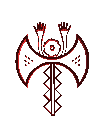
Labrys - (1.) The labrys or double-bladed axe stood for the Amazons and their Goddess under several of Her names: Artemis, Gaea, Rhea, Demeter. Perhaps originally a battle axe, it became a ceremonial scepter in Crete and at the Goddess's oldest adopted shrine, Delphi.
(2.) The labrys is symbol of the female labia at the entrance of the womb and the butterfly, which is connected with rebirth. The double axe is also associated with the even more ancient hourglass figure of the Goddess. When mounted between cattle horns, the labrys was the holiest of Goddess symbols. The matriarchal Cretans made the double axe in all sizes, from delicate jewelry to nine foot tall specimens which stood at the ends of altars. This symbol also marked the entrance to Goddess anctuaries. The labrys was a feminine only ceremonial weapon, also used by women in agricultural working and battle. The two heads symbolize the waxing and waning Moons. The labrys design is found on matriarchal murals and mosaics, pottery, seals, and amulets. It was exclusively a symbol of the Great Goddess, until part of its symbolism was later transferred to the Nordic god Thor.
