Ode to Sor Bee


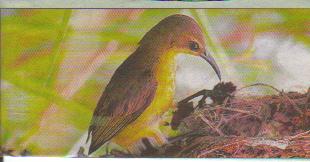
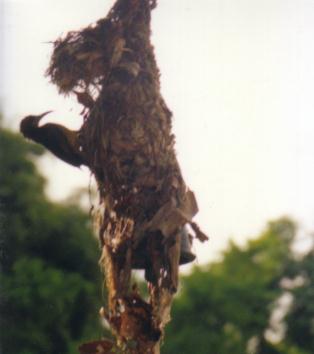
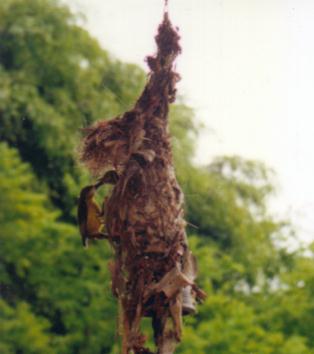
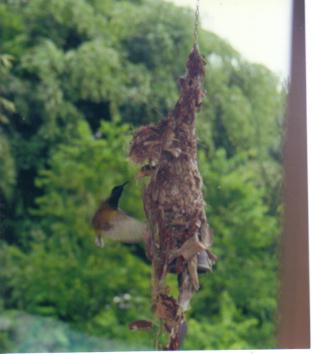
An Olive Sunbird Nests on my Antique Bell


Copyright © Daffydil Tan. All rights reserved.

Home Album Blog Collections Flickr Haiku Heritage Jade Reflection Sale Travel


You came into my life one day
bearing a bunch of leaves in your beak
you weaved a nest using your
black beak and sticky saliva
on my antique bell

"Tweet! Tweet!" no matter where I roam
I recognize your sharp whistle
No songbird, but
"O blithe newcomer, I have heard,
I hear thee and rejoice,
O Sor Bee shall I call thee BIRD?"
(with apologies to Will Wordsworth,
the father of all nature lovers)

You shared with me your precious moments

Snugly sleeping in your nest...so serenely
feeding your young...so tenderly
teaching them to spread their wings...so protectively
and father bird with the black neck spreads iridescent wings
with paternal pride

Thanks Sor Bee* for enriching my life

*This is a term of endearment in dialect for a wee loved thing

Sunbird Notes: The common name for this bird is the yellow-bellied sunbird or the olive backed sunbird. The Latin name is Nectorinia Jugularis. The males are distinguished from the females by the bright dark metallic purplish-blue on their chins and upper breasts.They range in size from about 10-12cm. They have long slender curved black bills for taking the sweet nectar from flowers. Their nest is made under full shelter like patio verandas, eves, and carports. The nest consists of dried twigs,leaves, grass or moss stuck together with an entrance on the side. The nest is constructed by the female while the male helps with the feeding of the young. The female can lay up to three eggs. Although primarily a nectar feeder sunbirds feed their young on insects.


Home Album Blog Collections Flickr Haiku Heritage Jade Reflection Sale Travel

Changing LINKS