Air Pollution | Water Pollution | Land Pollution | Noise Pollution

Air Pollution

Causes:

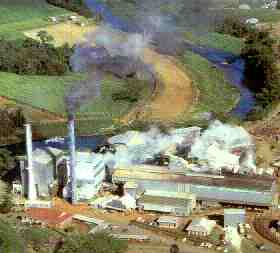
Air contains oxygen, carbon dioxide, nitrogen and small amounts of other gases which are harmless to us. However, it also contains substances that can harm us like sulphur dioxide, which comes from burning some types of coal and oil. Although some natural substances, such as dust, pollen, and ash pollute the air, people create by far most of the harmful pollutants. Power plants that burn coal and oil to produce energy churn out huge amounts of pollution. Factories, the burning of wastes, and the use of chemicals also add to the problem.

One of the main causes of air pollution is exhaust fumes from cars and other vehicles that run on gasoline. When gasoline or diesel burns, it produces a number of harmful chemicals, such as nitrogen oxide and a poisonous gas called carbon monoxide. Exhaust fumes also contain a group of chemicals called hydrocarbons.

Until a few years ago, lead was added to most gasolines to make car engines run better.The lead passes through the engine and out of the exhaust system into the air. Lead is poisonous.

Another dangerous pollutant is chlorofluorocarbons, or CFC’s. These chemicals are found in polystyrene containers, refrigerator coolant, aerosol sprays and air conditioning units.
 
Top

Water Pollution

Causes:

We treat the oceans like a giant dustbin, dumping huge amounts of waste in them everyday, often by way of rivers, drains and outflow pipes. This pollution includes human sewage and domestic waste water, factory outflows of acids and poisonous metals, engine oil from roadside drains and garages, farm chemicals washed off the land by rain, building-site rubble, nuclear waste from power plants, and oil from wells, refineries, and tankers. The daily flow of materials into the sea also includes a million plastic items, such as bags, nets, and bits of packaging.

The oceans break up, disperse, or dissolve large quantities of waste. But there are limits. Most plastics never break down but just wash around coasts and islands for years. And there is no known way of getting rid of deadly substances such as the pesticide DDT (now widely banned) and PCBs ( a group of chemicals used in factories) once they enter the water. More than 3 million tonnes of oil end up in the sea each year, the result of a variety of human activities, most of which take place on land.

More than a third is waste oil from city drains - mainly from cars and from factories. This is carried to the sea by rivers. Some oil evaporates off the land into the air and reaches the sea via weather systems in the circulation of the atmosphere. More comes from tankers, either during cleaning or from accidental spills. Leaks at oil wells are another source, and some oil seeps naturally from the seabed.

 
Top

Land Pollution

Causes:

One way land can be polluted is through agriculture. After several years, intensive agriculture can leave the soil exhausted. Before the farmer can sow a field with a new crop, the nutrients that have been taken out must be put back. Chemical fertilisers may be added to the soil to help the crops grow well.

Unwanted weeds growing in the field also take nutrients from the soil. The farmer may use chemical weedkiller on a field to get rid of the weeds. Chemical pesticides protect the crops from pests and diseases. However some pests and diseases learn to resist the chemical sprays. So, in time, the farmer needs to spray the crops with stronger pesticides.

In factories, offices, hotels and restaurants, as well as in our homes, we produce tonnes of garbage. Over a year, this builds up into a huge problem. Waste can be burnt, but this can pollute the atmosphere. It can be dumped at sea, but this pollutes the sea. There is no way of getting rid of waste that does not harm the environment. Much of the waste is made in factories. When coal or other minerals are mined, waste in the form of stone and dust is brought to the surface. This is usually dumped on land in mountainous heaps, which look ugly.

 
Top

Noise Pollution

Causes:

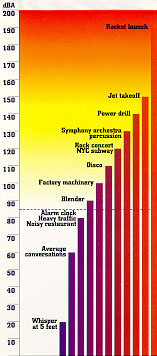
In our society we are bombarded by noise. Vacuum cleaners, city traffic, factory machinery, car alarms, farm equipment and aircraft noise are just a few examples of the daily assault on our ears. Even forms of recreation, like rock concerts and the use of personal stereo systems, are culprits. The noise around us is a fact. So is the hazard it represents to our health and well being. It is vital that we recognise the dangers of noise and take precautions to protect ourselves from its many ill effects. The major sources of noise include transportation vehicles and equipment, machinery, appliances, and other products in commerce; and those which falls in one of the following categories:

· (i) Construction equipment.

· (ii) Transportation equipment (including recreational vehicles and related equipment).

· (iii) Any motor or engine (including any equipment of which an engine or motor is an integral part).

· (iv) Electrical or electronic equipment.

 
Top

Copyright © 2004 Lina Kwek. All Right Reserved.