Air Pollution | Water Pollution | Land Pollution | Noise Pollution
Effects:
|
![]() |
||||||||||||||||||||
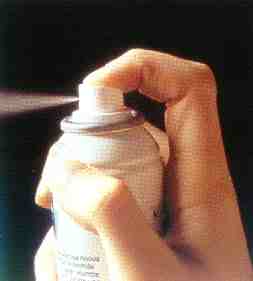
| Ozone layer depletion - During the late 1970’s, scientists began to notice something strange happening in the earth’s atmosphere. They were surprised to see a “hole” appearing each spring in a layer of gas that surrounds the earth. This layer of gas is called the ozone layer. This layer shields us from some of the ultraviolet (UV) rays from the sun. These rays make pale human skins become darker in sunlight. But too much UV rays are bad for us. Cataracts can develop, causing the lens to cloud up, resulting in blurred vision and even blindness. Exposure can lead to accelerated aging, wrinkling and various forms of skin cancer. A reduced immune response may make the body more susceptible to infectious diseases. Interference with photosynthesis could result in lower crop yields. Radiation affects the growth of phytoplankton, the mainstay of the ocean food chain. The scientists noticed that the ozone layer appeared to be getting thinner and thinner. Due to this thinning, more sun’s energy is reaching the earth’s atmosphere which causes the atmosphere to warm up. This warming process is called the greenhouse effect. | |||||||||||||||||||||
![]() |
|||||||||||||||||||||
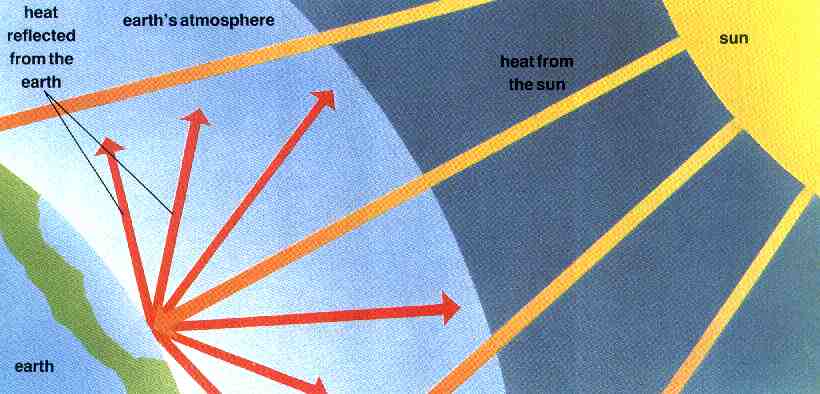
| Greenhouse effect - The earth is warming up is due to the increasing amounts of carbon dioxide in the air. When we burn fuels like coal, oil, gas, or wood, carbon dioxide is released. Plants use carbon dioxide to make their food. So tropical rain forests take in large amounts of carbon dioxide from the atmosphere, but at the same time people are cutting down vast areas of these forests. Carbon dioxide traps some of the heat from the sun and prevents it from escaping into space. Too much carbon dioxide will trap too much heat and the atmosphere will become too hot. Then, the ice in the Arctic and in Antarctica will melt. This will raise the level of the seas all over the world, flooding many coastlines. Low-lying coastal towns and cities would be endangered by floods, and so would large areas of farmland. If the seas become warmer, sea animals and plants would be affected. And many might not survive at all. | |||||||||||||||||||||
![]() |
|||||||||||||||||||||
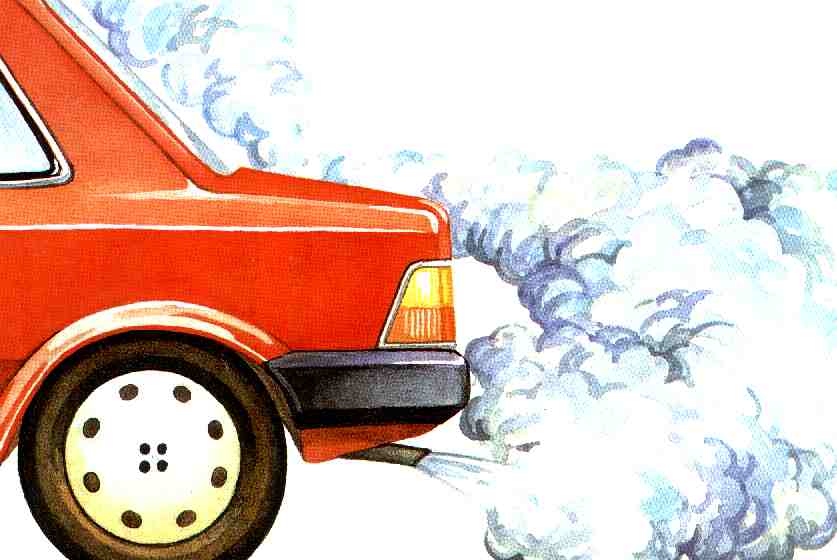
| Acid rain - Sulphur dioxide and nitrogen oxide mix with the moisture in the air to become sulphuric acid and nitric acid. These acids are absorbed by rain clouds and fall to the ground as acid rain. Acid rain can cause serious damage. It kills trees and destroys many wildlife habitats. When acid rain falls into lakes and rivers, it harms the fish, plants and other freshwater life. In cities, it can even eat away at the stonework of buildings. | |||||||||||||||||||||
Effects:
|
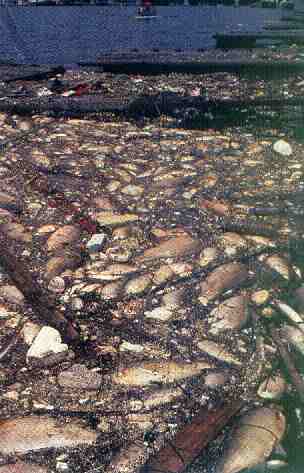
Most sea pollution occurs near the coast, where so many species live, although traces of harmful chemicals have been found in the deepest parts of the ocean, and even in Antarctica. Plankton in the shallows take polluting materials into their bodies, and they are passed on to the fish and shellfish that eat plankton, to larger fish, sea mammals, and seabirds, and eventually to humans who eat fish and seafood. At each stage of the food chain, the poisons can become more concentrated and therefore deadly. Ocean pollution results in smaller catches of fish all over the world, either by killing fish directly, preventing them from breeding, or causing birth abnormalities. Seabirds are unable to breed and whales are poisoned. Pollution also seems to be responsible for a new disease among seals. Without even swallowed, plastic can kill seabirds, turtles, and other creatures by trapping them. People drinking water from polluted seas can become sick. Deadly infectious diseases like cholera and typhoid can break out. |
![]() |
Effects:
|
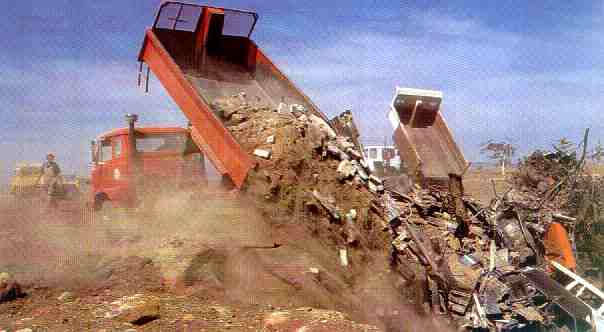
Chemicals are taken in by plants and so find their way into the food we eat. Some chemicals are washed through the soil into streams and rivers, where they can poison the wildlife. The garbage heaps can cause dangerous landslides. Rotting garbage can seep into the ground and pollute water supplies. Garbage must be put somewhere. Most of it is buried in old quarries or sites to level out the land. When the site is full, it is covered over and often used as a building site. But underground, the rubbish breaks down and decays. It produces an explosive, poisonous gas called methane. This may escape to the surface. |
![]() |
Effects:
|
That noise exposure can cause hearing loss is undeniable. Research has shown that excessive noise exposure is one of the leading causes of hearing loss for the 28 million people with impaired hearing in the United States. Because hearing loss affects communication, it creates a ripple effect, with a negative impact on a person’s social, vocational and emotional well-being. Noise-induced hearing loss is permanent — once you lose your hearing from noise, you can’t get it back. But noise-induced hearing loss is preventable. Exposure to noise, or unwanted sound, is far more than just a threat to our ears. Correlational studies have indicated that noise negatively affects cognitive development, social behaviour and learning; and it causes physiological changes in sleep, blood pressure and digestion. Without even reading the studies, we all know that the stress is created by unwanted sound. Even noise that does not meet the 85 dBA for 8 hours/day standard of hazardous levels can make us angry and tense. We all know how irritating the simple dripping of a faucet can be in the middle of the night, let alone more intrusive noises. Yet noise, as an environmental issue and health hazard, has not been given the priority status by society, governmental agencies and lawmakers that hearing health professionals and noise activists know is essential. While some noise codes do exist, they are often inadequate or difficult to enforce. We must begin to recognise the noise sources in our environment and take precautions to protect ourselves from their insidious effects. · stress-related disorders · hypertension · sleep disturbance · work-related performance · learning and academic performance |
![]() |
Copyright © 2004 Lina Kwek. All Right Reserved.