Air Pollution | Water Pollution | Land Pollution | Noise Pollution

Air Pollution

Prevention:

Though air pollution is still a serious problem, many countries are working to reduce it. Many electric power plants, factories, and facilities that burn wastes are equipped with devices called scrubbers. Scrubbers remove sulphur dioxide and other pollutants before the wastes are released into the air.

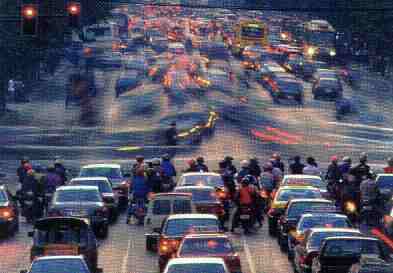
Governments have also passed regulations to cut down on the pollution from automobiles. In Singapore, unleaded petrol is used. Today’s cars are designed to create less pollution. Many are equipped with anti-pollution devices called catalytic converters, which reduce the amount of pollution from automobile engines.

Many countries have also banned the use of CFC’s and CFC’s products. For example in McDonald’s, styrofoam boxes are no longer used to contain burgers.

Of all the things we do, driving cars causes the most pollution. Thus, if you need to go somewhere in a car, try to travel with other people who are going to the same place. Car-sharing helps to cut down on the number of cars on the road, reducing air pollution. Encourage your parents and friends to follow your example in walking, cycling or car-sharing.
 
Top

Water Pollution

Prevention:

Diseases have been stamped out in rich countries, where human waste is treated before it is released into rivers and lakes. Water for drinking is also treated after it is pumped out of rivers and lakes, before piped to homes. In Singapore, waste water is treated in Ulu Pandan, Senoko and Tuas Sewage Treatment Works. However, this is not the case in poor countries.

More than 90 countries have now signed the International Convention for the Prevention of Pollution from ships (or MARPOL, from marine pollution), which was first set up in 1973. MARPOL limits the amounts of oil, sewage, poisonous waste, and rubbish that ships can release into the sea.

Several other agreements signed during the 1960s and 1970s are still important today. The Bonn Agreement (1969) aimed to protect coastal areas around the North Sea, and the Helsinki Convention (1974) did the same for the Baltic Sea. The London dumping Convention (1972) banned the dumping of fuel oil, chemical weapons materials, nuclear waste, and other dangerous substances.

You can also help reduce sea pollution and clean up our rivers and coasts by:

· Do not leave rubbish in streams, rivers, or the sea, or on beaches.

· Dispose of all plastic carefully.

· Reduce waste: reuse and recycle as much as you can.

· Ask your family to use safer household cleaning products containing fewer harmful chemicals.

· Help a conservation group clean up local rivers and beaches.

· Join an organization that is campaigning against river and sea pollution.

 
Top

Land Pollution

Prevention:

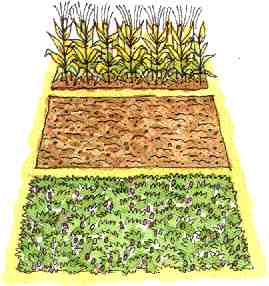
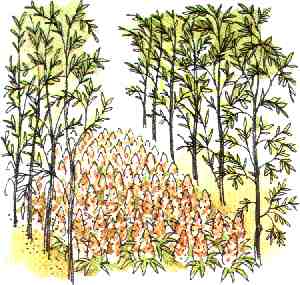
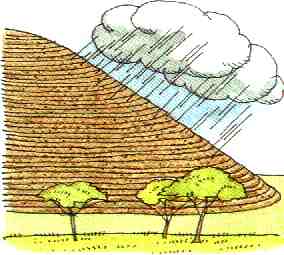
The land that we need for growing food is very important. There are many ways in which farmers could make better use of the land and grow good crops without the help of chemicals. The methods are crop rotation, alley cropping and contour plowing.

We make objects like paper, bottles and cans, and then we throw them away! As time goes on, there will be more garbage. We can help reduce the amounts of waste by saving some of the waste materials and using them again. This is called recycling.(link to the 4R-concept)

CROP ROTATION

ALLEY ROTATION

CONTOUR ROTATION

Top

Noise Pollution

Prevention:

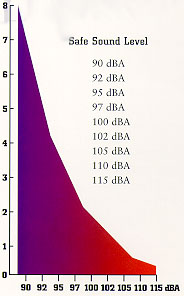
Follow these steps to create a quieter and more healthful environment:

· Pay attention to the noises around you. Whenever possible, turn down the volume.

· Ask your neighbours to turn down the volume on noise, and if you’re not satisfied, ask local officials for help.

· Give your ears a break and limit use of noisy toys and loud appliances. Be selective, and purchase toys and appliances that do not generate high levels of noise.

· Listen to personal stereo systems at safe levels. A rule of thumb: If you cannot hear other people talking when you are wearing headphones or if other people can hear your music while the headphones are on, it is too loud.

· Wear adequate hearing protection, such as custom-moulded ear plugs, commercially available ear plugs or ear muffs, when you must be in a noisy environment or when using loud equipment.

· Avoid noisy sports events, rock concerts and night clubs. If this is not possible, limit the time spent at these activities.

· Alternate a noisy activity with a quiet one to give your ears a rest.

· Make your home acoustically sound by following these recommendations of the National Bureau of Standards:

· Place vibrations mounts under major appliances

· Place foam pads under small appliances

· Use window drapes

· Install padded carpeting to absorb sound

· Install vinyl tile or thick linoleum to absorb sound

· Seal holes or cracks in doors and windows

· Caulk windows

· Replace metal garbage cans with plastic cans

· Purchase quiet appliances.

· Spread the word about the dangers of noise.

· Write Letters to your local and government officials.

· If you are exposed to noise on a regular basis, get your hearing checked by a qualified audiologist.

 
Top

Copyright © 2004 Lina Kwek. All Right Reserved.