OCTOBER 2008
SOUTH AMERICA FROM A-Z
A fact about each country in South America
and other information about the continent.
Click on highlighted word for more information
South American is the fourth largest of the
7 continents.
It has 12 countries & 3 major territories.
Many countries belong to
International Organizations
-
 South America has many
ARCHAEOLOGY sites.
Brazil has rock shelters with paintins over 10,000 years old and shellmade monuments.
Peru has inca ruins and pyramids.
Belize has a Mayan Temple.
South America has many
ARCHAEOLOGY sites.
Brazil has rock shelters with paintins over 10,000 years old and shellmade monuments.
Peru has inca ruins and pyramids.
Belize has a Mayan Temple.
-
 ARGENTINA has both the highest and lowest points in South America.
Special attractions include museums, waterfalls, and some of the best skiing in the world. The country has several
National Parks.
ARGENTINA has both the highest and lowest points in South America.
Special attractions include museums, waterfalls, and some of the best skiing in the world. The country has several
National Parks.
 South America has many

-
 South America has over 3,000 species of
BIRDS.
Forty percent of the earth's species of birds are found on the continent. Brazil has nearly 200 native birds.
Tinalandia Nature Reserve has over 350 specieis of birds. The largest
hummingbird and the
largest eagle live in South America.
A thousand species of birds live in the
Madidi National Park in Bolivia. Many countries have a
National Bird.
South America has over 3,000 species of
BIRDS.
Forty percent of the earth's species of birds are found on the continent. Brazil has nearly 200 native birds.
Tinalandia Nature Reserve has over 350 specieis of birds. The largest
hummingbird and the
largest eagle live in South America.
A thousand species of birds live in the
Madidi National Park in Bolivia. Many countries have a
National Bird.
-
 BOLIVIA has the world’s highest capital city. The country is landlocked and has a dense rainforest. Special attractions include archaeological sites, jungle treks, and a
Silver Mine.
BOLIVIA has the world’s highest capital city. The country is landlocked and has a dense rainforest. Special attractions include archaeological sites, jungle treks, and a
Silver Mine.
-
 BRAZIL is the largest country in South America and the 5th largest country in the world. Most of the country is in the Southern, but a small part of it is in the Northern Hemisphere. Sao Paulo is one of the largest metropolises in the world. Special attractions include the Amazon River and Forests, the world famous beach at Copacabana, and a Carnival. The
Brazilian Pantanal is the largest freshwater wetland in the world. The
Harbor of Rio De Janiero is one of the Seven Natural Wonders of the World. In 2007 the
Christ Redeemer Statue was named one of the New Seven Wonders of the World.
BRAZIL is the largest country in South America and the 5th largest country in the world. Most of the country is in the Southern, but a small part of it is in the Northern Hemisphere. Sao Paulo is one of the largest metropolises in the world. Special attractions include the Amazon River and Forests, the world famous beach at Copacabana, and a Carnival. The
Brazilian Pantanal is the largest freshwater wetland in the world. The
Harbor of Rio De Janiero is one of the Seven Natural Wonders of the World. In 2007 the
Christ Redeemer Statue was named one of the New Seven Wonders of the World.
 South America has over 3,000 species of


-
 CHILE is an average of only one hundred miles in width.
Special attractions include museums, monasteries, beaches, palaces, Spanish forts, coral reefs, world biosphere reserves, several
National Parks and Natural Reserves, and an active Volcano. The
Atacama Desert is in this country and is the driest desert in the world.
CHILE is an average of only one hundred miles in width.
Special attractions include museums, monasteries, beaches, palaces, Spanish forts, coral reefs, world biosphere reserves, several
National Parks and Natural Reserves, and an active Volcano. The
Atacama Desert is in this country and is the driest desert in the world.
-
 COLOMBIA is the only country in South America with coastline along both oceans. Most of the country is in the Northern Hemisphere, but a small part of it is in the Southern Hemisphere. Special attractions include museums, monasteries, palaces, coral reefs, Spanish forts, and jungle tours.
-
 South America has all forms of COMMUNICATION including newspapers, television, radio, telephone, and internet.
WEBCAMS are located in several places in South America.
South America has all forms of COMMUNICATION including newspapers, television, radio, telephone, and internet.
WEBCAMS are located in several places in South America.


 South America has all forms of COMMUNICATION including newspapers, television, radio, telephone, and internet.
-
 South America has over 1,000
DAMS and
hydroelectric power has become a significant souce of energy.
Itaipu Dam in Brazil/Paraguay is one of the Modern Wonders of the world.
South America has over 1,000
DAMS and
hydroelectric power has become a significant souce of energy.
Itaipu Dam in Brazil/Paraguay is one of the Modern Wonders of the world.
 Fossils of
DINOSAURS have been found throughout South America. The 1st fossil of a mammal from the
Jurassic Period was found in Argentina. The largest dinosar in the world,
Titanosaur and
cretaceous jackrabbits have been found in Argentina.
Obduron and Australian platypus may have lived on the land during the
Miocene Period.
Fossils of
DINOSAURS have been found throughout South America. The 1st fossil of a mammal from the
Jurassic Period was found in Argentina. The largest dinosar in the world,
Titanosaur and
cretaceous jackrabbits have been found in Argentina.
Obduron and Australian platypus may have lived on the land during the
Miocene Period.
 South America has over 1,000
 Fossils of
-
 ECUADOR is named after the equator. The country has territories in both the Southern Hemisphere and the Northern Hemisphere. The capital city of
Quito is one of the oldest continually inhabited cities in the western hemisphere.
Special attractions include churches, monasteries, a rainforest, National Parks, an Ecological Reserve, and a Wildlife Reserve".
ECUADOR is named after the equator. The country has territories in both the Southern Hemisphere and the Northern Hemisphere. The capital city of
Quito is one of the oldest continually inhabited cities in the western hemisphere.
Special attractions include churches, monasteries, a rainforest, National Parks, an Ecological Reserve, and a Wildlife Reserve".
-
 Each country in South America provides opportunities for
EDUCATION.
Each country in South America provides opportunities for
EDUCATION.

 Each country in South America provides opportunities for
-
 Each country in South America has its own
FLAG.
Each country in South America has its own
FLAG.
-
 South America has approximately 70,000 species of
FLOWERS, and new species are discovered every year.
Cuenca, Equador is the Flower Capital of South America. Many species of the
passion flower originated in South America. Several countries in South America have a
National Flower.
South America has approximately 70,000 species of
FLOWERS, and new species are discovered every year.
Cuenca, Equador is the Flower Capital of South America. Many species of the
passion flower originated in South America. Several countries in South America have a
National Flower.
-
 FRENCH GUIANA is an overseas territory of France. The European Space Agency's
Ariane rocket facility is along the coast. Special attractions include beaches, river trips, and treks to the equatorial jungle.
FRENCH GUIANA is an overseas territory of France. The European Space Agency's
Ariane rocket facility is along the coast. Special attractions include beaches, river trips, and treks to the equatorial jungle.
 Each country in South America has its own
 South America has approximately 70,000 species of

-
 Each country has its own
GOVERNMENT. Many are countries are members of international organizations.
Each country has its own
GOVERNMENT. Many are countries are members of international organizations.
-
 GUYANA was formerly part of the United Kingdom and known as British Guinea. Special attractions include museums, botanical and zoological gardens, rivers, jungle treks, rainforests, and waterfalls.
Kaieteur Falls is one of the world's great waterfalls. The world's largest freshwater fish, the
Arapaima, is found here.
GUYANA was formerly part of the United Kingdom and known as British Guinea. Special attractions include museums, botanical and zoological gardens, rivers, jungle treks, rainforests, and waterfalls.
Kaieteur Falls is one of the world's great waterfalls. The world's largest freshwater fish, the
Arapaima, is found here.
 The
GLOBAL POSITION of South America is approximately 13 degrees north by 55 degrees south longitude, and 34 degrees west by 81 degrees west latitude. The equator runs through the northern part of the continent. The continent has several major
landforms. The lowest point is on the
Peninsula Valdes in Argentina.
Aconcagua in the Andes is the highest point in both South America and the western hemisphere.
Geocaching is a popular high-tech treasure hunt using a global positioning system and there are many
Geocaches in South America.
The
GLOBAL POSITION of South America is approximately 13 degrees north by 55 degrees south longitude, and 34 degrees west by 81 degrees west latitude. The equator runs through the northern part of the continent. The continent has several major
landforms. The lowest point is on the
Peninsula Valdes in Argentina.
Aconcagua in the Andes is the highest point in both South America and the western hemisphere.
Geocaching is a popular high-tech treasure hunt using a global positioning system and there are many
Geocaches in South America.
 Each country has its own

-
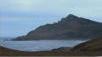 There are natural HARBORS along the coast of South America.
Ports are located in several of the countries. The port in Puente Arenas in Chile is at Cape Horn on the southern tip of South America.
There are natural HARBORS along the coast of South America.
Ports are located in several of the countries. The port in Puente Arenas in Chile is at Cape Horn on the southern tip of South America.
-
 The
Pan- American HIGHWAY extends from Alaska thru South America. The only missing link is a stretch through a National Park in Panama and one in Columbia known as the
Darien Gap.
The
Pan- American HIGHWAY extends from Alaska thru South America. The only missing link is a stretch through a National Park in Panama and one in Columbia known as the
Darien Gap.
-
 South America has many HISTORIC SITES including
Wonders of the World. Forgotten Wonders are the Inca City of Machu Picchu in Peru, and The Moai Statues of Tikal on Easter Island. Modern Wonders are the Itaipu Dam in Brazil/Paraguqy and the Statue of Cresto Redentar in Brizil. Natural Wonders are Angel Falls in Venezuela, Iguacu Falls in Brazil/Argentina, and the harbor at
Rio de Janiero.
South America has many HISTORIC SITES including
Wonders of the World. Forgotten Wonders are the Inca City of Machu Picchu in Peru, and The Moai Statues of Tikal on Easter Island. Modern Wonders are the Itaipu Dam in Brazil/Paraguqy and the Statue of Cresto Redentar in Brizil. Natural Wonders are Angel Falls in Venezuela, Iguacu Falls in Brazil/Argentina, and the harbor at
Rio de Janiero.
 There are natural HARBORS along the coast of South America.
 The
The
 South America has many HISTORIC SITES including
 Brazil has a variety of INDUSTRIES including an expanding production of
automobile and aircraft. Other industries include
agriculture, forestry, and fishing. The
Mining and Wine industries unite Argentina and Chile.
Chile is one of the top wine exporting countries in the world. Wool from
alpacas is used to make yarns, sock, and sweaters.
Brazil has a variety of INDUSTRIES including an expanding production of
automobile and aircraft. Other industries include
agriculture, forestry, and fishing. The
Mining and Wine industries unite Argentina and Chile.
Chile is one of the top wine exporting countries in the world. Wool from
alpacas is used to make yarns, sock, and sweaters.
 South America has a large variety of INSECTS including tropical insects and aracnids.
Spiders include the tarantula and the recluse. Unusual insects found include the
Scarab Beetle, the
Giant Water Bug which is the heaviest water insect in the world, and the Robberfly which is nearly 2-1/2" long. There are a number of stinging and venous insects including the
Africanized Honeybee and dozens of species of
Fire Ants. Some countries have an entomological society including Brazil, Chile, Columbia, Mexico, & Venezuela.
South America has a large variety of INSECTS including tropical insects and aracnids.
Spiders include the tarantula and the recluse. Unusual insects found include the
Scarab Beetle, the
Giant Water Bug which is the heaviest water insect in the world, and the Robberfly which is nearly 2-1/2" long. There are a number of stinging and venous insects including the
Africanized Honeybee and dozens of species of
Fire Ants. Some countries have an entomological society including Brazil, Chile, Columbia, Mexico, & Venezuela.
 South America has 9 principal
ISLANDS. Several major islands include
The Galapagos, Caribbean,
South Sandwich Islands, and
Easter Island where the Moai Statues, one of the Forgotten Wonders of the World, are located. The
Falkland Islands are a British dependent territory and are also claimed by Argentina.
Margarita is one of the most important island in Venezuela. When rivers flood small pieces of land flow into the ocean and become islands and home to many birds, reptiles and small animals.
J IS FOR JAZZ & JUNGLES
South America has 9 principal
ISLANDS. Several major islands include
The Galapagos, Caribbean,
South Sandwich Islands, and
Easter Island where the Moai Statues, one of the Forgotten Wonders of the World, are located. The
Falkland Islands are a British dependent territory and are also claimed by Argentina.
Margarita is one of the most important island in Venezuela. When rivers flood small pieces of land flow into the ocean and become islands and home to many birds, reptiles and small animals.
J IS FOR JAZZ & JUNGLES
-
 JAZZ is popular in South American.
JAZZ Festivals are held throughout the continent. An
International Jazz Jestival is held in Jamaica.
JAZZ is popular in South American.
JAZZ Festivals are held throughout the continent. An
International Jazz Jestival is held in Jamaica.
-
 There are several
JUNGLES in South America. The
Amazon Jungle covers 60% of the country of Peru.
Pacaas Novos National Park and
Pantanal National Park are transitions from jungle to savanah. Sandstone mesas called tepuis are like islands above dense jungle foliage and have unique plants and animal.
There are several
JUNGLES in South America. The
Amazon Jungle covers 60% of the country of Peru.
Pacaas Novos National Park and
Pantanal National Park are transitions from jungle to savanah. Sandstone mesas called tepuis are like islands above dense jungle foliage and have unique plants and animal.
 JAZZ is popular in South American.
 There are several
-
 South America uses the
KILOMETERS to measure distances in miles. Most of the country uses the
metric system.
South America uses the
KILOMETERS to measure distances in miles. Most of the country uses the
metric system.
-
 KINGS have ruled several areas of South America.
Easter Island has a long list of kings. At one time Brazil had a
true royal family.
KINGS have ruled several areas of South America.
Easter Island has a long list of kings. At one time Brazil had a
true royal family.
 South America uses the
 KINGS have ruled several areas of South America.
-
 South America has 8 principal
LAKES including
Lake Titicaca in the Andes Mountains, largest principal lake,
Nahuel Huapí Lake in Argentina, and
Lake Valencia in Venezuela.
Maracaibo Lake in Venezuela is another large lake. The smallest principal lake is Lake San Martin in Argentina/Chile. There are also
volcanic lakes in South America.
South America has 8 principal
LAKES including
Lake Titicaca in the Andes Mountains, largest principal lake,
Nahuel Huapí Lake in Argentina, and
Lake Valencia in Venezuela.
Maracaibo Lake in Venezuela is another large lake. The smallest principal lake is Lake San Martin in Argentina/Chile. There are also
volcanic lakes in South America.
-
 Over 34 native
LANGUAGES have been identified in South America. Spanish is the official language in most of the countries, but each country has a slightly different dialect and local idioms. Portugese is spoken in Brazil, English in Guayana, Dutch in Surini, French in French Guiana, and both Spanish and Guarani in Paraguqy. In one area of Venezuela, residents speak German.
Over 34 native
LANGUAGES have been identified in South America. Spanish is the official language in most of the countries, but each country has a slightly different dialect and local idioms. Portugese is spoken in Brazil, English in Guayana, Dutch in Surini, French in French Guiana, and both Spanish and Guarani in Paraguqy. In one area of Venezuela, residents speak German.
-
 South America is part of an area called
LATIN AMERICA.
South America is part of an area called
LATIN AMERICA.
-
 All of the countries in Southam America have LIBRARIES, and many have a
National LIBRARY including Columbia, Ecuador, and
Peru.
The
National Library of Brazil has borrowing services, exhibitions, and internet access. Most universities have a library.
All of the countries in Southam America have LIBRARIES, and many have a
National LIBRARY including Columbia, Ecuador, and
Peru.
The
National Library of Brazil has borrowing services, exhibitions, and internet access. Most universities have a library.
 South America has 8 principal
 Over 34 native
 South America is part of an area called
 All of the countries in Southam America have LIBRARIES, and many have a
-
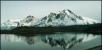 South America has 9 principal
MOUNTAINS and 5 mountain chains.
The longest mountain range in the world,
the Andes, runs the length of the continent.
South America has 9 principal
MOUNTAINS and 5 mountain chains.
The longest mountain range in the world,
the Andes, runs the length of the continent.
-
 A variety of
MONEY is used in South America including the peso, dollar, guarani, New Sol, Suriname Guilder, and Boliviano. In most countries the U.S. dollar can be used, and automatic teller machines are available.
A variety of
MONEY is used in South America including the peso, dollar, guarani, New Sol, Suriname Guilder, and Boliviano. In most countries the U.S. dollar can be used, and automatic teller machines are available.
 South America has 9 principal
 A variety of
-
 Each country has its own
NATIONAL ANTHEM.
Each country has its own
NATIONAL ANTHEM.
-
 Many countries have NATIONAL PARKS including
Bolivia,
Columbia,
Chile,
Costa Rica
Panama, and
Uruguay. A number of the National Parks in
Argentina are on the UNESCO World Heritage List.
Brazil has over 40 National Parks plus state and local parks.
Ecuador has National Parks and reserves.
Many countries have NATIONAL PARKS including
Bolivia,
Columbia,
Chile,
Costa Rica
Panama, and
Uruguay. A number of the National Parks in
Argentina are on the UNESCO World Heritage List.
Brazil has over 40 National Parks plus state and local parks.
Ecuador has National Parks and reserves.
 Each country has its own
 Many countries have NATIONAL PARKS including
-
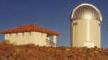 Several countries in South America have OBSERVATORIES. Estacion Astronomica Rio Grande and La Plata Observatory are in Argentina.
Las Campanas Observatory, The
Cerro Tololo Interamerican Observatory, Tololito Observatory, and
La Silla Observatory are in Chile. The
Cerro Paranal in Chile has the largest optical observatory in the world.
The Observatorio Nacional in Brazil is an institute for research in Astronomy, Astrophysics, and Geophysics.
Several countries in South America have OBSERVATORIES. Estacion Astronomica Rio Grande and La Plata Observatory are in Argentina.
Las Campanas Observatory, The
Cerro Tololo Interamerican Observatory, Tololito Observatory, and
La Silla Observatory are in Chile. The
Cerro Paranal in Chile has the largest optical observatory in the world.
The Observatorio Nacional in Brazil is an institute for research in Astronomy, Astrophysics, and Geophysics.
-
 South America is nearly surrounded by
OCEANS. It is bordered on the west by the
Pacific Ocean, on
the east by the
Atlantic ocean, to the Southeast,
Scotia Sea to the south, and
Caribbean Sea to the Northeast. The continent is connected to the North American by the
Isthmus of Panama.The USGS provides information about why the ocean is
Salty.
South America is nearly surrounded by
OCEANS. It is bordered on the west by the
Pacific Ocean, on
the east by the
Atlantic ocean, to the Southeast,
Scotia Sea to the south, and
Caribbean Sea to the Northeast. The continent is connected to the North American by the
Isthmus of Panama.The USGS provides information about why the ocean is
Salty.
-
 OIL and gas fields are located throughout South America.
 Several countries in South America have OBSERVATORIES. Estacion Astronomica Rio Grande and La Plata Observatory are in Argentina.
 South America is nearly surrounded by

-
 PANAMA is in the northern part of South America. Special attractions include churches, beaches, botanical gardens, parks, and a volcano. The
Panama Canal is an important waterway connecting the Atlantic and Pacific Oceans. The country includes 2 archipelagos. The islands of the
San Blas Archipelego are home to Kuna Indians who run the islands as an independent province. The
Bocas del Toro Archipelego is a popular tourist destination.
PANAMA is in the northern part of South America. Special attractions include churches, beaches, botanical gardens, parks, and a volcano. The
Panama Canal is an important waterway connecting the Atlantic and Pacific Oceans. The country includes 2 archipelagos. The islands of the
San Blas Archipelego are home to Kuna Indians who run the islands as an independent province. The
Bocas del Toro Archipelego is a popular tourist destination.
-
 PARAGUAY is the 3rd largest country in South America. It is landlocked and is a large cattle producer. Special attractions include museums, parks, a zoo, and the world's largest hydroelectric dam -
Itaipu.
PARAGUAY is the 3rd largest country in South America. It is landlocked and is a large cattle producer. Special attractions include museums, parks, a zoo, and the world's largest hydroelectric dam -
Itaipu.
-
 South America has a
POPULATION of nearly 400 million people. Brazil has the highest population in South America, Argentina has the highest population of any city, and Venezuela is one of the most densely populated countries in the western hemisphere. The rain forests of South America are home to indiginous people.
South America has a
POPULATION of nearly 400 million people. Brazil has the highest population in South America, Argentina has the highest population of any city, and Venezuela is one of the most densely populated countries in the western hemisphere. The rain forests of South America are home to indiginous people.
-
 PERU has many
special attractions including museums, churches with catacombs, and the world famous
Nazca lines, protected areas, wildlife reserves, and archeological sites. The Inca City of
Machu Piccu is one of the Forgotten Wonders of the World, a World Heritage Site, and in 2007 it was named one of the new Seven Wonders of the World.
Supe Valley is home to one of the oldest civilizations in the world. Peanuts are native to this country.
PERU has many
special attractions including museums, churches with catacombs, and the world famous
Nazca lines, protected areas, wildlife reserves, and archeological sites. The Inca City of
Machu Piccu is one of the Forgotten Wonders of the World, a World Heritage Site, and in 2007 it was named one of the new Seven Wonders of the World.
Supe Valley is home to one of the oldest civilizations in the world. Peanuts are native to this country.


 South America has a

-
 South America experiences many
QUAKES due to its many
volcanoes. In 2002 an earthquake near the coastal city of
Take a
QUIZ about South America.
Take a quiz about
sports in South America.
South America experiences many
QUAKES due to its many
volcanoes. In 2002 an earthquake near the coastal city of
Take a
QUIZ about South America.
Take a quiz about
sports in South America.
 South America experiences many
-
 A wide variety of
REPTILES can be found in South America. Snakes include
anacondas,
corals and
boas including the
Emerald Tree Boa which is a nocturnal snake found in the rain forests. Other reptiles include
caiman crocodiles and
iguanas. Amphibians include the poison arrow frog.
A wide variety of
REPTILES can be found in South America. Snakes include
anacondas,
corals and
boas including the
Emerald Tree Boa which is a nocturnal snake found in the rain forests. Other reptiles include
caiman crocodiles and
iguanas. Amphibians include the poison arrow frog.
-
 COSTA RICA has many
special attractions including museums, colorful markets, and parks.
Cocos Island has more sharks than any other place on earth.
COSTA RICA has many
special attractions including museums, colorful markets, and parks.
Cocos Island has more sharks than any other place on earth.
-
 There are 36 principal
RIVERS in South America. Water drainage is mostly from 3 main rivers emptying into the Atlantic Ocean, and most rivers are important transport routes. The most important rivers include
the Amazon, the longest river in South America and the second longest river in the world, the
Orinoco, and the Paraguay-Paraná, one of the most heavily damed rivers. The Rio Beni is the shortest principal river. Other rivers in South America include the
Rio de la plata, the Magdalena-Cauca, the Sao Franciso, and the Colca which is short but intensively diverted through dams/canals. The most powerful
electric eels in the world are in the northern rivers of South America. The
red bellied piranha is native to South America. The
vampire fish of Brazil is found only in the Amazon and Oronoco Rivers.
There are 36 principal
RIVERS in South America. Water drainage is mostly from 3 main rivers emptying into the Atlantic Ocean, and most rivers are important transport routes. The most important rivers include
the Amazon, the longest river in South America and the second longest river in the world, the
Orinoco, and the Paraguay-Paraná, one of the most heavily damed rivers. The Rio Beni is the shortest principal river. Other rivers in South America include the
Rio de la plata, the Magdalena-Cauca, the Sao Franciso, and the Colca which is short but intensively diverted through dams/canals. The most powerful
electric eels in the world are in the northern rivers of South America. The
red bellied piranha is native to South America. The
vampire fish of Brazil is found only in the Amazon and Oronoco Rivers.
 A wide variety of

 There are 36 principal
-
 A wide variety of
SEA LIFE live in the waters surrounding South America including
whales, seals, and a variety of fish. The
Black Dolphin can only be found in the fjords and coast of Chile. Some
electric fish live in the ocean and some live in freshwater of South America. Fishing is a popular sport.
A wide variety of
SEA LIFE live in the waters surrounding South America including
whales, seals, and a variety of fish. The
Black Dolphin can only be found in the fjords and coast of Chile. Some
electric fish live in the ocean and some live in freshwater of South America. Fishing is a popular sport.
-
 SOUTH GEORGIA is an overseas territory of the UK. Nearly half of it lies under a year-round blanket of snow. It is one of the most remote outposts of the United Kingdom, and the few inhabitants include a small British Detachment and a Research team. The island has a whaling museum and many seabirds and marine mammals can be found in the surrounding waters.
-
 Many
SPORTS are played in South America.
Futbol/soccer is the most popular sport and most of the countries have teams. It is the National Sport of
Argentina and many other countries. The first World Cups were held in South America. Baseball is the National Sport of Venezuela, and many children belong to
Little League. The Southern Andes of Argentina and Chile have world famous
Skiing
Many
SPORTS are played in South America.
Futbol/soccer is the most popular sport and most of the countries have teams. It is the National Sport of
Argentina and many other countries. The first World Cups were held in South America. Baseball is the National Sport of Venezuela, and many children belong to
Little League. The Southern Andes of Argentina and Chile have world famous
Skiing
-
 SURINAME is the smallest independent country in South America. Special attractions include parks, mosques, synagogs, a palace, and a fort.
Central Suriname Nature Reserve is a UNESCO site. The
Brownsberg is a mountain and Nature Reserve in the rainforest.
SURINAME is the smallest independent country in South America. Special attractions include parks, mosques, synagogs, a palace, and a fort.
Central Suriname Nature Reserve is a UNESCO site. The
Brownsberg is a mountain and Nature Reserve in the rainforest.
 A wide variety of

 Many
Many

T IS FOR TRANSPORTATION & TREES
-
 TRANSPORTAION in South America includes train, bus, taxi, automobile, airplane, and boat.
-
More than 2,500 kinds of
TREES grow in South America, and nearly half of the continent is
forested. Several countries have a National Tree, and a tree is on the coat of arms of several countries. Logging is the main threat to South America's forests.The Amazon River Basin is the largest
tropical rain forest in the world. The largest rainforest is an equatorial jungle in Brazil.
Yerba Loca Sanctuary in Chile has small forests of both native and introduced species. A wide variety of
birds, mammals, and reptiles live in the rainforests. There are
Cloud Forests in Ecuador.

-
 The United Nations Educational and Cultural Organization
UNESCO protects natural and cultural properties around the world. South America has many UNESCO
World Heritage sites and
Biosphere Reserves.
In 2003
new sites were added including the Historic Quarter of the seaport city of Valpairiso in Chile, Quebrada de Humahuaca in Argentina, and the Central Amazon Complex in Brazil.
The United Nations Educational and Cultural Organization
UNESCO protects natural and cultural properties around the world. South America has many UNESCO
World Heritage sites and
Biosphere Reserves.
In 2003
new sites were added including the Historic Quarter of the seaport city of Valpairiso in Chile, Quebrada de Humahuaca in Argentina, and the Central Amazon Complex in Brazil.

- South America has several
UNIVERSITIES and colleges.
-
 URUGUAY is one of the smallest countries in South America and a popular
vacation destination with more visitors per capita than any other country on the continent. Special attractions include museums, beaches, and outdoor markets. Most of the land is used for agriculture and livestock, and it is a world leader in cattle and wool production. It was the first South American country to give women the right to vote.
URUGUAY is one of the smallest countries in South America and a popular
vacation destination with more visitors per capita than any other country on the continent. Special attractions include museums, beaches, and outdoor markets. Most of the land is used for agriculture and livestock, and it is a world leader in cattle and wool production. It was the first South American country to give women the right to vote.
 The United Nations Educational and Cultural Organization


-
 South America has vast areas of
VEGETATION and several
vegetation zones. Some of the
plants that grow on the continent cannot be found on any other place in the world. There is a wide range of
plant hardiness zones in South America.
South America has vast areas of
VEGETATION and several
vegetation zones. Some of the
plants that grow on the continent cannot be found on any other place in the world. There is a wide range of
plant hardiness zones in South America.
-
 VENEZUELA is one of the most popular fishing areas in the world. The country produces one of the most sought after flavors of chocolate in the world -
chuao. Special attractions include cathedrals, palaces, beaches, and the largest waterfall in the world - Angel Falls. The country also has the third largest river in South America - the Rio Orinoco.
Morrocoy National Park in Venezuela includes about twenty uninhabited keys. The country has several other National Parks.
VENEZUELA is one of the most popular fishing areas in the world. The country produces one of the most sought after flavors of chocolate in the world -
chuao. Special attractions include cathedrals, palaces, beaches, and the largest waterfall in the world - Angel Falls. The country also has the third largest river in South America - the Rio Orinoco.
Morrocoy National Park in Venezuela includes about twenty uninhabited keys. The country has several other National Parks.
-
 Several countries in South America have
VOLCANOES.
Cotopaxi is the highest active volcano in the world.
Quilotoa is a dorminate crater lake. South America has
volcano observatories.
Several countries in South America have
VOLCANOES.
Cotopaxi is the highest active volcano in the world.
Quilotoa is a dorminate crater lake. South America has
volcano observatories.
 South America has vast areas of

 Several countries in South America have
-
 Several countries in South America have
WATERFALLS. Venezuela has 2 of the world's highest -
Angel Falls one of the Natural Wonders of the World, and
Kukenaam Falls. The
Iguazu Falls in Brazil/Argentina is one of the Forgotten Natural Wonders of the World.
Several countries in South America have
WATERFALLS. Venezuela has 2 of the world's highest -
Angel Falls one of the Natural Wonders of the World, and
Kukenaam Falls. The
Iguazu Falls in Brazil/Argentina is one of the Forgotten Natural Wonders of the World.
-
 South America has every type of
WEATHER including tropical, rainy, desert, and high alpine. The
weather on the continent is strongly influenced by
El Nino. Information is available about the effect of
Global Warming in South America.
South America has every type of
WEATHER including tropical, rainy, desert, and high alpine. The
weather on the continent is strongly influenced by
El Nino. Information is available about the effect of
Global Warming in South America.
-
 South America has some of the most unique species of
wildlife in the world. Almost a fourth of all the known kinds of animals live on the continent but there are not great wild animal herds and no huge animals. Belize is the site of the world's first
jaguar preserve. The largest rodent in the world, the
capybara, is found in South America.
Unusual animals in South America include the
coati and the
silky anteater. The
maned wolf,
squirrel monkey, and
douroucouli, the only nocturnal monkey, can only be found in South America. The continent has several
endangered species.
South America has some of the most unique species of
wildlife in the world. Almost a fourth of all the known kinds of animals live on the continent but there are not great wild animal herds and no huge animals. Belize is the site of the world's first
jaguar preserve. The largest rodent in the world, the
capybara, is found in South America.
Unusual animals in South America include the
coati and the
silky anteater. The
maned wolf,
squirrel monkey, and
douroucouli, the only nocturnal monkey, can only be found in South America. The continent has several
endangered species.
 Several countries in South America have
 South America has every type of
 South America has some of the most unique species of
-
 XMAS is the abbreviation for Christmas which is celebrated in
South America much as it is
around the world. Feliz Navidad!is how Merry Christmas is said in many countries in South America. Suriname says Zalig Kersfeest and French Guiana says Joyeux Noel. Each country has
other holidays, and most countries have a National Independence Day.
XMAS is the abbreviation for Christmas which is celebrated in
South America much as it is
around the world. Feliz Navidad!is how Merry Christmas is said in many countries in South America. Suriname says Zalig Kersfeest and French Guiana says Joyeux Noel. Each country has
other holidays, and most countries have a National Independence Day.
-
 YOUTH HOSTELS are located in countries throughout South America. Several countries have
Elderhostels
YOUTH HOSTELS are located in countries throughout South America. Several countries have
Elderhostels
-
 The first
YMCA in South America was organized in 1893.
The first
YMCA in South America was organized in 1893.

 The first
-
 Most of the countries in South America have
ZOOS.
Most of the countries in South America have
ZOOS.
 Most of the countries in South America have
-
 South America is in several
time ZONES - Central Daylight & Central Standard, Eastern Standard and Eastern Daylight, Atlantic Standard and Atlantic Daylight, and Azores. The
Greenwich meantime zones time ranges from -03:00 to -05:00.
Click here to see what time it is in some countries.
South America is in several
time ZONES - Central Daylight & Central Standard, Eastern Standard and Eastern Daylight, Atlantic Standard and Atlantic Daylight, and Azores. The
Greenwich meantime zones time ranges from -03:00 to -05:00.
Click here to see what time it is in some countries.
 South America is in several