 - APRIL 2009

INDIANA FROM A-Z
The Crossroads of America
Facts about Indiana for each letter of the alphabet.
Click on highlighted word for more information.
A IS FOR AGRICULTURE, AMISH, ARCHAEOLOGY
-
 AGRICULTURE is one of the major
in Indiana and more than 70% of the state is farmland. Corn and soybeans account for about half of the farm income every year. The state has several
specialty cropsincluding mint and tobacco, and 90% of the world's
popcorn is grown in Indiana.
Dairy production in Indiana is growing at the fastest rate in the country. Indiana is the number-one duck producer in the country, and is second in the country in ice-cream production. Some Indiana farms raise
ostriches in addition to other livestock.
The
National Agriculture Statistic Service and
AG in the Classroom provide information about agriculture. The unofficial
State Soil is ?Miami?. There are
4-H Clubs and chapters of
Future Farmers of America throughout the state.
AGRICULTURE is one of the major
in Indiana and more than 70% of the state is farmland. Corn and soybeans account for about half of the farm income every year. The state has several
specialty cropsincluding mint and tobacco, and 90% of the world's
popcorn is grown in Indiana.
Dairy production in Indiana is growing at the fastest rate in the country. Indiana is the number-one duck producer in the country, and is second in the country in ice-cream production. Some Indiana farms raise
ostriches in addition to other livestock.
The
National Agriculture Statistic Service and
AG in the Classroom provide information about agriculture. The unofficial
State Soil is ?Miami?. There are
4-H Clubs and chapters of
Future Farmers of America throughout the state.
-
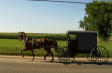 Indiana has several
AMISH settlements. Two of the most prominent settlements in the mid-west are located in Northern Indiana.
Nappanee is the oldest Amish settlement in the country. The
Menno Hof at Shipshewana tells the story of the Mennonites and Amish and attracts more than a million visitors each year.
Indiana has several
AMISH settlements. Two of the most prominent settlements in the mid-west are located in Northern Indiana.
Nappanee is the oldest Amish settlement in the country. The
Menno Hof at Shipshewana tells the story of the Mennonites and Amish and attracts more than a million visitors each year.
-
 September is
ARCHAEOLOGY Month in Indiana when there are opportunities to visit
digs. An
Archaeology Learning Kit is available for students. Indiana University has an
Archaeology Reseach Unit. Archaeological investigations have been conducted to assess Indiana caves as historic and
prehistoric cultural properties.
September is
ARCHAEOLOGY Month in Indiana when there are opportunities to visit
digs. An
Archaeology Learning Kit is available for students. Indiana University has an
Archaeology Reseach Unit. Archaeological investigations have been conducted to assess Indiana caves as historic and
prehistoric cultural properties.

 Indiana has several
 September is
-
 Many species of
BIRDS are commonly observed in Indiana. Game birds can be found in the forest. Wetlands and shores have waterbirds. Endangered bird species include bald eagles,
peregrine falcons, and trumpeter swans. The
Indiana Audubon Society promotes and conducts bird and wildlife research in Indiana, and there are a number of
Birding Hotspots. The State Bird is the
Cardinal.
Many species of
BIRDS are commonly observed in Indiana. Game birds can be found in the forest. Wetlands and shores have waterbirds. Endangered bird species include bald eagles,
peregrine falcons, and trumpeter swans. The
Indiana Audubon Society promotes and conducts bird and wildlife research in Indiana, and there are a number of
Birding Hotspots. The State Bird is the
Cardinal.
-
 Indiana has many historic
BRIDGES and
covered bridges. There are also
Iron Bridges and
Suspension Bridges some of which are still in use.
Indiana has many historic
BRIDGES and
covered bridges. There are also
Iron Bridges and
Suspension Bridges some of which are still in use.
-
 Indiana has several
BYWAYS including the
Ohio River Scenic Route and
National Historic Road. The state also has a variety of
Trails including
Horse Trails and participates in
National Trails Day. Indiana has many
Roadside Attractions
Indiana has several
BYWAYS including the
Ohio River Scenic Route and
National Historic Road. The state also has a variety of
Trails including
Horse Trails and participates in
National Trails Day. Indiana has many
Roadside Attractions
 Many species of
 Indiana has many historic
 Indiana has several
-
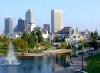 The CAPITAL of Indiana is Indianapolis which is the largest city in the state. The first State Capital was
Corydon and is now a State Historic Site. Lawrence County is called the
Limestone Capital of the world.
Parke County is called the Covered Bridge Capital of the World.
Elkhart is called the Band Instrument Capital of the world. Vintage stadiums and modern sports facilities have made Indiana the Sports Movie Capital of the country.
is called the Covered Bridge Capital of the World.
The CAPITAL of Indiana is Indianapolis which is the largest city in the state. The first State Capital was
Corydon and is now a State Historic Site. Lawrence County is called the
Limestone Capital of the world.
Parke County is called the Covered Bridge Capital of the World.
Elkhart is called the Band Instrument Capital of the world. Vintage stadiums and modern sports facilities have made Indiana the Sports Movie Capital of the country.
is called the Covered Bridge Capital of the World.
-
 Indiana has all forms of
COMMUNICATIONS including newspapers, radio, television, telephone, and internet. The state has 6
Area Codes, and
many
Internet Service Providers.
Webcams are located throughout the state.The Indiana
Telecommunications Network provides access to government, schools, and public libraries.
Indiana has all forms of
COMMUNICATIONS including newspapers, radio, television, telephone, and internet. The state has 6
Area Codes, and
many
Internet Service Providers.
Webcams are located throughout the state.The Indiana
Telecommunications Network provides access to government, schools, and public libraries.
-
 Indiana has 92
COUNTIES. La Porte County is the only county in the country that has two functioning courthouses. Allen County is the largest in size. Marion County has the largest population.
Ohio County is the smallest in size and population.
Marion is the largest.
Nappanee is the only town in the country that uses the same letters twice. The term "county" is used in 48 of the 50 states for the level of local
government below the state itself.
Indiana has 92
COUNTIES. La Porte County is the only county in the country that has two functioning courthouses. Allen County is the largest in size. Marion County has the largest population.
Ohio County is the smallest in size and population.
Marion is the largest.
Nappanee is the only town in the country that uses the same letters twice. The term "county" is used in 48 of the 50 states for the level of local
government below the state itself.
 The CAPITAL of Indiana is
  Indiana has all forms of
 Indiana has 92
D IS FOR DAMS, DINOSAURS, & DUNES
-
 Indiana has several several
DAMS and
Locks &
Hydroelectric Plants. The
Cannelton Locks and Dam provide efficient and safe operation of large commercial tows. The Norway and Oakdale Dams near
Monticello provide electrical power, recreation, and other benefits to local citizens. The
Norway Dam created Lake Shafer and the Oakdale Dam created Lake Freeman. The city of
Wabash was the first electrically lighted city in the country.
Solar Power and
Wind Power are being investigated, and
Geothermal Power is being used commercially.
Indiana has several several
DAMS and
Locks &
Hydroelectric Plants. The
Cannelton Locks and Dam provide efficient and safe operation of large commercial tows. The Norway and Oakdale Dams near
Monticello provide electrical power, recreation, and other benefits to local citizens. The
Norway Dam created Lake Shafer and the Oakdale Dam created Lake Freeman. The city of
Wabash was the first electrically lighted city in the country.
Solar Power and
Wind Power are being investigated, and
Geothermal Power is being used commercially.
-
 Indiana does not have any
Mesozoic rocks so it probably did not have any DINOSAURS, but the state has several dinosaur exhibits. More than 60 species of
Crinoids have been found in Crawfordsville, and
Crinoid (Cyathocrinites multibrachiatus) has been proposed as the State Fossil.
Indiana does not have any
Mesozoic rocks so it probably did not have any DINOSAURS, but the state has several dinosaur exhibits. More than 60 species of
Crinoids have been found in Crawfordsville, and
Crinoid (Cyathocrinites multibrachiatus) has been proposed as the State Fossil.
-
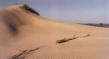 The Indiana
DUNES along the shore of Lake Michigan is a National Lakeshore with trees, ravines, ponds, marshes, and bogs. It has a Junior Ranger Program and an Environment Center.
The Indiana
DUNES along the shore of Lake Michigan is a National Lakeshore with trees, ravines, ponds, marshes, and bogs. It has a Junior Ranger Program and an Environment Center.
 Indiana has several several
 Indiana does not have any
 The Indiana
-
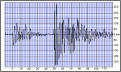 Indiana has had
EARTHQUAKES in the past, but since it lies in the middle of the North American continent it has remained
relatively stable. However, On June 2002 there was an earthquake of 4.0 near Darmstadt that was also felt in several other states.
Indiana has had
EARTHQUAKES in the past, but since it lies in the middle of the North American continent it has remained
relatively stable. However, On June 2002 there was an earthquake of 4.0 near Darmstadt that was also felt in several other states.
-
 The
Indiana Department of EDUCATION provides many programs and Services.
New Harmony was the first place in the country where boys and girls were taught in the same classes. Information about schools in Indiana is available at
SchoolBug and
GreatSchools.
The
Indiana Department of EDUCATION provides many programs and Services.
New Harmony was the first place in the country where boys and girls were taught in the same classes. Information about schools in Indiana is available at
SchoolBug and
GreatSchools.
-
 Indiana has many
EVENTS and
festivals throughout the year including
state and county fairs. A
State Fair in held in mid-August in Indianapolis.
Potawatomi is an annual festival, and there is a Hot Dog Festival in Frankfort. There are Irish & Scottish events including an
Irish Festival in Indianapolis, and a
Scottish Festival In Columbus.
Car shows celebrate the
automotive past and present in Indiana. Indiana observes
Fixed Public Holidays and celebrates other special days.
Indiana has many
EVENTS and
festivals throughout the year including
state and county fairs. A
State Fair in held in mid-August in Indianapolis.
Potawatomi is an annual festival, and there is a Hot Dog Festival in Frankfort. There are Irish & Scottish events including an
Irish Festival in Indianapolis, and a
Scottish Festival In Columbus.
Car shows celebrate the
automotive past and present in Indiana. Indiana observes
Fixed Public Holidays and celebrates other special days.
 Indiana has had
 The
The
 Indiana has many
-
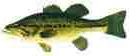 Indiana has a variety of
FISH. The
State Fish is the largemouth bass.
Fishing is a popular activity on lakes and rivers. Indiana has several
State Fish Hatcheries.
Indiana has a variety of
FISH. The
State Fish is the largemouth bass.
Fishing is a popular activity on lakes and rivers. Indiana has several
State Fish Hatcheries.
-
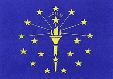 The
State FLAG of Indiana is blue with nineteen gold stars and a flaming gold torch. Some
cities and counties have a flag. Some Native American tribes have a flag including
The Miami.
The
State FLAG of Indiana is blue with nineteen gold stars and a flaming gold torch. Some
cities and counties have a flag. Some Native American tribes have a flag including
The Miami.
-
Indiana has FOOD Festivals and Shows. The state is known for several well known brands of food, and many food companies are in Indiana. McCord Candies has been in business since 1912. Follow the Indiana food food timeline.
 Indiana has a variety of
 The
The
-
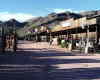 Indiana has a number of
GHOST TOWNS. Some houses and the oldest high school in the state are in
Weedleville. The town of
Byron has a few houses and 2 churches. Much of the town of
Old English remains and there is a new golf course.
Tippecanoe has cleared land and battlefield markers.
Indiana has a number of
GHOST TOWNS. Some houses and the oldest high school in the state are in
Weedleville. The town of
Byron has a few houses and 2 churches. Much of the town of
Old English remains and there is a new golf course.
Tippecanoe has cleared land and battlefield markers.
-
 The
GLOBAL POSITION of Indiana is approximately latitude 38-41 north by longitude 84-87 degrees west.
Boone is the geographic center of the state and was named after frontiersman Daniel Boone. The state lies toward the middle of the North American continent and is bordered on the north by Michigan, the south by Kentucky, the west by Illinois, and the east by Ohio. NOAA provides information about the
topography of Indiana.
Geocaching is an adventure game using a GPS, and Indiana has many
geocaches.
The
GLOBAL POSITION of Indiana is approximately latitude 38-41 north by longitude 84-87 degrees west.
Boone is the geographic center of the state and was named after frontiersman Daniel Boone. The state lies toward the middle of the North American continent and is bordered on the north by Michigan, the south by Kentucky, the west by Illinois, and the east by Ohio. NOAA provides information about the
topography of Indiana.
Geocaching is an adventure game using a GPS, and Indiana has many
geocaches.
-
 The
GOVERNMENT of Indiana is closely modeled on the United States Federal Government with three branches - Executive, Legislative, and Judicial.
The
GOVERNMENT of Indiana is closely modeled on the United States Federal Government with three branches - Executive, Legislative, and Judicial.
 Indiana has a number of
 The
The
 The
The
H IS FOR HISTORIC SITES & HISTORY
-
 Indiana has many
HISTORIC SITES and
historic places and historical societies. The
Historic Landsmarks Foundation is the largest private historic preservation organization in the country.
Fort Wayne has 5 real forts. George Rogers Clark National Historical Park is the site of Fort Sackville.
Crown Hill CEMETERY is the third largest non-government cemetery in the country.
Indiana has many
HISTORIC SITES and
historic places and historical societies. The
Historic Landsmarks Foundation is the largest private historic preservation organization in the country.
Fort Wayne has 5 real forts. George Rogers Clark National Historical Park is the site of Fort Sackville.
Crown Hill CEMETERY is the third largest non-government cemetery in the country.
-
 The
HISTORYof Indiana dates back over 10,000 years. The state has an interesting
Fossil History and participates in
National History Day.
The
HISTORYof Indiana dates back over 10,000 years. The state has an interesting
Fossil History and participates in
National History Day.
 Indiana has many
 The
The
-
 Indiana has several
INDUSTRIES including manufacturing, agriculture, mining, finance, and construction. The major industry is
manufacturing. Indiana is the top steel-producing state and one of the leading steel centers in the world. The first transistor radio was made in Indianapolis. The first U. S. industrial union was founded at Terre Haute.
Trade Shows are held throughout the year.
Indiana has several
INDUSTRIES including manufacturing, agriculture, mining, finance, and construction. The major industry is
manufacturing. Indiana is the top steel-producing state and one of the leading steel centers in the world. The first transistor radio was made in Indianapolis. The first U. S. industrial union was founded at Terre Haute.
Trade Shows are held throughout the year.
-
 A wide variety of INSECTS are found in Indiana including many species of
Mayflies and
BUTTERFLIES. The Hilbert Conservatory at
White River Gardens has a summer show called Marsh Presents Butterflies. The Mitchels Satye and Karner Blue butterflies are endangered. The
Firefly is being considered for State Insect.
A wide variety of INSECTS are found in Indiana including many species of
Mayflies and
BUTTERFLIES. The Hilbert Conservatory at
White River Gardens has a summer show called Marsh Presents Butterflies. The Mitchels Satye and Karner Blue butterflies are endangered. The
Firefly is being considered for State Insect.
 Indiana has 5 ISLANDS. Four of the islands are on rivers and 1 is in a lake.
French Island has a boat dock.
Fox Island is a County Park. There is no development & no access to
Goose & Heron Island.
Indiana has 5 ISLANDS. Four of the islands are on rivers and 1 is in a lake.
French Island has a boat dock.
Fox Island is a County Park. There is no development & no access to
Goose & Heron Island.
 Indiana has several
 A wide variety of INSECTS are found in Indiana including many species of
 Indiana has 5 ISLANDS. Four of the islands are on rivers and 1 is in a lake.
-
 Jazz is popular in Indiana and there are several
Jazz Festivals. The state has many other
music events including concerts and festivals. There is a
Bluegrass Festival in Beanblossom. Indiana has
Symphony Orchestras,
Opera Companies, and
Dance Studios. The
National Women's Music Festival is held at Ball State University in Muncie. Indiana is the national leader in production of musical instruments.
Jazz is popular in Indiana and there are several
Jazz Festivals. The state has many other
music events including concerts and festivals. There is a
Bluegrass Festival in Beanblossom. Indiana has
Symphony Orchestras,
Opera Companies, and
Dance Studios. The
National Women's Music Festival is held at Ball State University in Muncie. Indiana is the national leader in production of musical instruments.
-
 JELLYSTONE PARK is one of the highest rated campgrounds in Indiana.
 Jazz is popular in Indiana and there are several
-
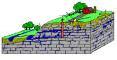 Indiana has 2
KARST regions and over 2,000 caves including 3 show caves - Marengo, Wyandotte, and Squire Boone Caverns.
Southern Indiana has over 800 caves.
Marengo Cave is a National Landmark and has an underground room called the Crystal Palace.
Wyandotte Cave is one of the largest caverns in the country and has the highest underground mountain and the largest stalagmite pillar in the world.
Squire Boone Caverns have guided tours.
Bluespring Caverns is one of the ten largest caves in the world.
Twin Caves has guided tours. The
Indiana Karst Conservancy is dedicated to the preservation and conservation of karst features in the state. The
Indiana Cave Survey catalogs caves and karst in the state. The
National Park Service has a Cave and Karst Program. The
National Speleological Society has chapters in Indiana.
Indiana has 2
KARST regions and over 2,000 caves including 3 show caves - Marengo, Wyandotte, and Squire Boone Caverns.
Southern Indiana has over 800 caves.
Marengo Cave is a National Landmark and has an underground room called the Crystal Palace.
Wyandotte Cave is one of the largest caverns in the country and has the highest underground mountain and the largest stalagmite pillar in the world.
Squire Boone Caverns have guided tours.
Bluespring Caverns is one of the ten largest caves in the world.
Twin Caves has guided tours. The
Indiana Karst Conservancy is dedicated to the preservation and conservation of karst features in the state. The
Indiana Cave Survey catalogs caves and karst in the state. The
National Park Service has a Cave and Karst Program. The
National Speleological Society has chapters in Indiana.
-
 Many aspects of life in Indiana focus on KIDS. The Indiana
Kid Zone has information about the state. The
Indiana Department of Enviromnental Management has a special Kids Page, and
Indiana Kids Election is a mock election for kids in grades K-12. The
Indiana Department of Natural Resources has a Kids Corner.
Many aspects of life in Indiana focus on KIDS. The Indiana
Kid Zone has information about the state. The
Indiana Department of Enviromnental Management has a special Kids Page, and
Indiana Kids Election is a mock election for kids in grades K-12. The
Indiana Department of Natural Resources has a Kids Corner.
 Indiana has 2
 Many aspects of life in Indiana focus on KIDS. The Indiana
-
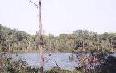 Indiana has many
LAKES including
kettle lakes that were created during the time of the glaciers.
Chain O?Lakes Park has 11 kettle-lakes.
Monroe Lake is the largest artificial lake in the state. Lake Wawasee is the largest natural lake in the state.
Indiana has many
LAKES including
kettle lakes that were created during the time of the glaciers.
Chain O?Lakes Park has 11 kettle-lakes.
Monroe Lake is the largest artificial lake in the state. Lake Wawasee is the largest natural lake in the state.
-
 Indiana has an extensive
public library system. There are also academic libraries, Institutional Libraries, and Special Libraries. The
State Library is in Indianapolis and is the oldest state govenment agency. The
Indiana Library Federaton help libraries all across the state. The
State Poem is ?Indiana?.
Indiana has an extensive
public library system. There are also academic libraries, Institutional Libraries, and Special Libraries. The
State Library is in Indianapolis and is the oldest state govenment agency. The
Indiana Library Federaton help libraries all across the state. The
State Poem is ?Indiana?.
 Indiana has many
 Indiana has an extensive
-
 Indiana has 2 MILITARY bases.
Camp Atterbury is a training and mobilization site.
Grissom Air Reserve Base is a combined military-civilian work force and is one of only 5 Reserve Command Bases in the country. Indiana participated in the
Civil War and one of its biggest contributions was providing food for Federal Armies. The
Indiana War Memorial Museum portrays the history of Indiana's veterans through several wars. The
Indiana Military Museum displays everything from military vehicles to uniforms from the Civil War to Desert Storm. The
Army Corps of Engineers has several projects in Indiana. The
Indiana National Guard traces its beginnings back to 1801.
Indiana has 2 MILITARY bases.
Camp Atterbury is a training and mobilization site.
Grissom Air Reserve Base is a combined military-civilian work force and is one of only 5 Reserve Command Bases in the country. Indiana participated in the
Civil War and one of its biggest contributions was providing food for Federal Armies. The
Indiana War Memorial Museum portrays the history of Indiana's veterans through several wars. The
Indiana Military Museum displays everything from military vehicles to uniforms from the Civil War to Desert Storm. The
Army Corps of Engineers has several projects in Indiana. The
Indiana National Guard traces its beginnings back to 1801.
-
 MINERALS
mined in Indiana include coal,clay, shale, and
limestone which is the State Rock. Limestone is often called the building stone of the country, and quarries have supplied stone for construction throughout the country including the Empire State Building and the Pentagon. The Limestone Museum in
Bedford recreates how limestone was used in buildings.
Coal is Indiana's number-one mineral. A large variety of
rocks are found in Indiana.
Gold and other treasures have been found in Indiana. The
USGS Geological Survey provides information and
maps about Indiana.
MINERALS
mined in Indiana include coal,clay, shale, and
limestone which is the State Rock. Limestone is often called the building stone of the country, and quarries have supplied stone for construction throughout the country including the Empire State Building and the Pentagon. The Limestone Museum in
Bedford recreates how limestone was used in buildings.
Coal is Indiana's number-one mineral. A large variety of
rocks are found in Indiana.
Gold and other treasures have been found in Indiana. The
USGS Geological Survey provides information and
maps about Indiana.
-
 MUSEUMS are located throughout Indiana. The
Indiana State Museum is located in White River State Park. The
Children?s Museu in Indianapolis is the world?s largest museum devoted to kids. The
National Model Aviation Museum is the world?s headquarters for model aviation. The
Indianapolis Museum of Art has 154 acres of sculpture gardens and trails. The
Indiana State Museum has recently been remodeled. The
Indianapolis Motor Speedway Hall of Fame Museum is a shrine to race cars & their drivers.
MUSEUMS are located throughout Indiana. The
Indiana State Museum is located in White River State Park. The
Children?s Museu in Indianapolis is the world?s largest museum devoted to kids. The
National Model Aviation Museum is the world?s headquarters for model aviation. The
Indianapolis Museum of Art has 154 acres of sculpture gardens and trails. The
Indiana State Museum has recently been remodeled. The
Indianapolis Motor Speedway Hall of Fame Museum is a shrine to race cars & their drivers.
 Indiana has 2 MILITARY bases.

-
 Indiana was created out of
Indian Territory and the NAME means Land of the Indians. It is nicknamed The Hoosier State and residents are often called Hoosiers. The state is known for its many unusual place names, such as Gnaw Bone and Bean Blossom. Five interstate highways meet in Indianapolis and the city is called the "Crossroad of America". The original plans of
Jeffersonville City were drafted by Thomas Jefferson.
Indiana was created out of
Indian Territory and the NAME means Land of the Indians. It is nicknamed The Hoosier State and residents are often called Hoosiers. The state is known for its many unusual place names, such as Gnaw Bone and Bean Blossom. Five interstate highways meet in Indianapolis and the city is called the "Crossroad of America". The original plans of
Jeffersonville City were drafted by Thomas Jefferson.
-
 NATIVE AMERICANS were the first people to inhabit Indiana. The earliest belonged to the Mississippian culture. They left behind beehive-shaped mounds of earth and are often called the Mound Builders. The most famous mound site in Indiana is
Angel Mounds near Evansville. Other Indian groups that lived in Indiana included the Miami, Potawatomi, Delaware, Kickapoo, and Shawnee. One of the largest Middle Woodland settlements can be found in Indiana. The
Potawatomi is a Federally recognized tribe.
NATIVE AMERICANS were the first people to inhabit Indiana. The earliest belonged to the Mississippian culture. They left behind beehive-shaped mounds of earth and are often called the Mound Builders. The most famous mound site in Indiana is
Angel Mounds near Evansville. Other Indian groups that lived in Indiana included the Miami, Potawatomi, Delaware, Kickapoo, and Shawnee. One of the largest Middle Woodland settlements can be found in Indiana. The
Potawatomi is a Federally recognized tribe.
 Indiana was created out of

-
 OIL and gas development in Indiana began in the mid-1800s. Production peaked in 1956 but has since declined. New technology offers a potential for the discovery of new reserves in the state. Trump's
Texaco Museum in Knightstown has memorabilia of the gasoline station.
OIL and gas development in Indiana began in the mid-1800s. Production peaked in 1956 but has since declined. New technology offers a potential for the discovery of new reserves in the state. Trump's
Texaco Museum in Knightstown has memorabilia of the gasoline station.
-
 Several
OLYMPIC sports organizations have their national headquarters in Indiana. USA Track and Field, Gymnastics, Diving, Rowing, and Synchronized Swimming are in Indianapolis.
Special Olympics Indiana hosts people from all over the state.
Several
OLYMPIC sports organizations have their national headquarters in Indiana. USA Track and Field, Gymnastics, Diving, Rowing, and Synchronized Swimming are in Indianapolis.
Special Olympics Indiana hosts people from all over the state.
 Indiana has several
OBSERVATORIES The
J. I. Holcomb Observatory is one of the largest public observatories in the world.
Kirkwood Obsevatory is open to the public on Wednesday at dusk. The
McKim Observatory at DePauw University is an example of an 1800s observatory.
Prairie Grass Observatory has a family star party. Several
Astronomy Clubs celebrate
Astronomy Day.
Indiana has several
OBSERVATORIES The
J. I. Holcomb Observatory is one of the largest public observatories in the world.
Kirkwood Obsevatory is open to the public on Wednesday at dusk. The
McKim Observatory at DePauw University is an example of an 1800s observatory.
Prairie Grass Observatory has a family star party. Several
Astronomy Clubs celebrate
Astronomy Day.

 Several
-
 Indiana has over 300
PARKS including
State Parks county parks, theme parks, and water parks. State Parks have
Special
Events such as wildfower hikes and fossil digs. McCormick's Creek was the first state park.
Tippecanoe River State Park includes Bass Lake State Beach.
Clifty Falls State Park has views of waterfalls.
Harmonie State Park has a 19th-century experimental town.
Theme Parks include Bear Creek Farms, Columbian Park, Fun Spot, Holiday World,
Indiana Beach, River Fair (River Falls Mall). Water Parks include Deep River Waterpark, Splash Down Dunes, and Splashin' Safari.
Indiana has over 300
PARKS including
State Parks county parks, theme parks, and water parks. State Parks have
Special
Events such as wildfower hikes and fossil digs. McCormick's Creek was the first state park.
Tippecanoe River State Park includes Bass Lake State Beach.
Clifty Falls State Park has views of waterfalls.
Harmonie State Park has a 19th-century experimental town.
Theme Parks include Bear Creek Farms, Columbian Park, Fun Spot, Holiday World,
Indiana Beach, River Fair (River Falls Mall). Water Parks include Deep River Waterpark, Splash Down Dunes, and Splashin' Safari.
-
 Indiana has a
population of nearly 6 million PEOPLE. Notable natives include
Wilbur Wright, inventor/aviator;
Dan Quayle, former U.S. Vice-President; and
James Whitcomb Riley, poet.
Lincoln Boyhood National Memorial is the site of Abraham Lincoln's home for fourteen years. The
home of Benjamin Harrison
, 23rd President, is a National Historic Landmark.
Indiana has a
population of nearly 6 million PEOPLE. Notable natives include
Wilbur Wright, inventor/aviator;
Dan Quayle, former U.S. Vice-President; and
James Whitcomb Riley, poet.
Lincoln Boyhood National Memorial is the site of Abraham Lincoln's home for fourteen years. The
home of Benjamin Harrison
, 23rd President, is a National Historic Landmark.
 Indiana has over 300
PARKS including
Indiana has over 300
PARKS including
 Indiana has a
-
 The United States Mint issued a
QUARTER for each state in the order in which it became part of the Union. Indiana became a state on December 11, 1817, and a
quarter was issued for it in 2002. The U.S. Mint has a special
Kids Page
The United States Mint issued a
QUARTER for each state in the order in which it became part of the Union. Indiana became a state on December 11, 1817, and a
quarter was issued for it in 2002. The U.S. Mint has a special
Kids Page
-
 QUILTING is popular in Indiana.
Quilt Guilds are located throughout the state and there is an annual Heritage Quilt Show. The
Quilters Hall of Fame is in Marion. The
Wabash Weavers Guild has workshops and guest speakers.
QUILTING is popular in Indiana.
Quilt Guilds are located throughout the state and there is an annual Heritage Quilt Show. The
Quilters Hall of Fame is in Marion. The
Wabash Weavers Guild has workshops and guest speakers.
-
 Take a QUIZ about Indiana.
 The
The 
 Take a
 -
Indiana is made up of 6 REGIONS - Central, Eastern, Northern, South Central, SoutherN, and Western. The northern part of Indiana is flat and heavily glaciated. The southern part is hilly, and the central part has fertile rolling plains.
-
 REPTILES and amphibians found in Indiana in the 1930s are still found in the state. The copperbelly watersnake and the eastern massasauge are endangered. Indiana is part of the
North American Amphibian Monitoring Program.
REPTILES and amphibians found in Indiana in the 1930s are still found in the state. The copperbelly watersnake and the eastern massasauge are endangered. Indiana is part of the
North American Amphibian Monitoring Program.
-
 Indiana has many navigable
RIVERS. The State River is the
Wabash which flows west across the entire state forming part of the Indiana-Illinois border. The name comes from a Native American word for limestone. Indiana?s Lost River travels 22 miles underground. Another major river is the
White River. The Ohio River forms Indiana's entire southern border and is a Scenic Byway.
Indiana has many navigable
RIVERS. The State River is the
Wabash which flows west across the entire state forming part of the Indiana-Illinois border. The name comes from a Native American word for limestone. Indiana?s Lost River travels 22 miles underground. Another major river is the
White River. The Ohio River forms Indiana's entire southern border and is a Scenic Byway.

 Indiana has many navigable
-
 Indiana has a wide variety of
SPORTS. The Hoosier State Games includes athletes of all ages and skill levels from around the state competing for titles in 14 different sports. There are a variety of
Race Tracks. Racing cars compete in the
Indianapolis 500 every Memorial Day.
Golf Courses are located throughout the state. The
East Race Waterway is the first artificial whitewater course in North America and hosts national and world-class whitewater shalom races.
Fishing is a popular sport.
Indiana has a wide variety of
SPORTS. The Hoosier State Games includes athletes of all ages and skill levels from around the state competing for titles in 14 different sports. There are a variety of
Race Tracks. Racing cars compete in the
Indianapolis 500 every Memorial Day.
Golf Courses are located throughout the state. The
East Race Waterway is the first artificial whitewater course in North America and hosts national and world-class whitewater shalom races.
Fishing is a popular sport.
-
 The inner circle of the
State SEAL has a woodsman, a buffalo, two trees, three hills, and a sun setting.
The inner circle of the
State SEAL has a woodsman, a buffalo, two trees, three hills, and a sun setting.
 Indiana has a wide variety of
 The inner circle of the
-
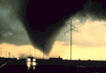 Indiana experiences
TORNADOS mainly in April, May, and June. Compared with other states Indiana ranks 15 in the frequency of of
TORNADOES. An average of 400 funnel clouds are sighted each year in the state.
Indiana experiences
TORNADOS mainly in April, May, and June. Compared with other states Indiana ranks 15 in the frequency of of
TORNADOES. An average of 400 funnel clouds are sighted each year in the state.
-
 Indiana has all forms of
TRANSPORTATION and has an
Adopt-a-Highway Program. The state offers several types of
Personalized Licenses Plates including a
Native Heritage plate.
Burton Tunnel is one of the longest railroad tunnels in Indiana. The
Indiana Transportation Museum preserves railroad history in the state and offers a School Program and special events. The Federal Highway Administration provides information about
Traffic and Road Closures in Indiana. To celebrate its 50th birthday, Matchbox cars issued a car for each state in the order in which it was admitted into the Union. The car for Indiana was the 1997 Chevrolet Corvette.
Indiana has all forms of
TRANSPORTATION and has an
Adopt-a-Highway Program. The state offers several types of
Personalized Licenses Plates including a
Native Heritage plate.
Burton Tunnel is one of the longest railroad tunnels in Indiana. The
Indiana Transportation Museum preserves railroad history in the state and offers a School Program and special events. The Federal Highway Administration provides information about
Traffic and Road Closures in Indiana. To celebrate its 50th birthday, Matchbox cars issued a car for each state in the order in which it was admitted into the Union. The car for Indiana was the 1997 Chevrolet Corvette.
-
 Indiana has a variety of TREES including oaks, maples, and willows. The State Tree is the
Tulip Tree. The
Forest Legacy Program helps identify and protect forest lands in the state.
Hoosier National FOREST includes smaller sites including the Pioneer Mothers Memorial Forest, Hemlock Cliffs, and Hickory Ridge Lookout Tower which is listed on the National Nistoric Lookout Register.
Indiana has a variety of TREES including oaks, maples, and willows. The State Tree is the
Tulip Tree. The
Forest Legacy Program helps identify and protect forest lands in the state.
Hoosier National FOREST includes smaller sites including the Pioneer Mothers Memorial Forest, Hemlock Cliffs, and Hickory Ridge Lookout Tower which is listed on the National Nistoric Lookout Register.
 Indiana experiences
 Indiana has all forms of
 Indiana has a variety of TREES including oaks, maples, and willows. The State Tree is the
-
 Many Indiana cities became stations on the
UNDERGROUND Railroad in the years before the Civil War. The main station was in Fountain County.
Many Indiana cities became stations on the
UNDERGROUND Railroad in the years before the Civil War. The main station was in Fountain County.
-
 Indiana has many
UNIVERSITIES and colleges. Religious groups founded some of the earliest universities and colleges including
Hanover College the oldest private college in the state.
Purdue University is called
The Cradle of the Astronauts because many alumni have been chosen for space flight. The Elliot Hall of Music Building at Purdue contains the largest theater in the country.
Indiana University has 8 campuses. The Art Museum at the University is world famous. The University also has the largest university-based
Archives of Traditional Music in the country and a
Center for the Integrative Study of Animal Behavior.
Indiana has many
UNIVERSITIES and colleges. Religious groups founded some of the earliest universities and colleges including
Hanover College the oldest private college in the state.
Purdue University is called
The Cradle of the Astronauts because many alumni have been chosen for space flight. The Elliot Hall of Music Building at Purdue contains the largest theater in the country.
Indiana University has 8 campuses. The Art Museum at the University is world famous. The University also has the largest university-based
Archives of Traditional Music in the country and a
Center for the Integrative Study of Animal Behavior.
-
 Several USS Navy ships have been named
USS Indiana. The
USS Indiana BB-01 saw service in the Spanish-American war and was used as a training ship in World War I. The
USS Indiana BB-58 was the 3rd ship named after the state but only the 2nd completed and received 9 battle stars for World War II service.
Several USS Navy ships have been named
USS Indiana. The
USS Indiana BB-01 saw service in the Spanish-American war and was used as a training ship in World War I. The
USS Indiana BB-58 was the 3rd ship named after the state but only the 2nd completed and received 9 battle stars for World War II service.
 Many Indiana cities became stations on the
 Indiana has many
 Several USS Navy ships have been named
-
 Indiana has a wide variety of VEGETATION. The
Indiana Dunes has over 1,000 plant species. Many
prairie wildflowers are native to the state. The State Flower is the
Peony. The American Beauty Rose was developed at Richmond. Unusual plants that grow in the state include orchids, prickly pear cactuses, and carnivorous plants. Indiana has
Nature Preserves that serve as living museums. The state has number of
invasive plants and several
toxic plants including the
English Yew which is extremely toxic to all animals. Endangered plants include Milkweed, Thistle, and Clover. The
Nature Conservancy has projects in Indiana.
Indiana has a wide variety of VEGETATION. The
Indiana Dunes has over 1,000 plant species. Many
prairie wildflowers are native to the state. The State Flower is the
Peony. The American Beauty Rose was developed at Richmond. Unusual plants that grow in the state include orchids, prickly pear cactuses, and carnivorous plants. Indiana has
Nature Preserves that serve as living museums. The state has number of
invasive plants and several
toxic plants including the
English Yew which is extremely toxic to all animals. Endangered plants include Milkweed, Thistle, and Clover. The
Nature Conservancy has projects in Indiana.
-
 Four US Navy ships have been named
USS VINCCENNES after
Vincennes which was the capital of the Indiana Territory and is the oldest city in the state. The 1st USS Vincennes was an 18 gun sloop-of-war. The 2nd USS Vincennes (CA-44) was a heavy cruiser. The 3rd USS Vincennes (CL-64) was a light cruiser. The 4th ship to bear the name of the city is the
USS Vincennes (CG-49) .
Four US Navy ships have been named
USS VINCCENNES after
Vincennes which was the capital of the Indiana Territory and is the oldest city in the state. The 1st USS Vincennes was an 18 gun sloop-of-war. The 2nd USS Vincennes (CA-44) was a heavy cruiser. The 3rd USS Vincennes (CL-64) was a light cruiser. The 4th ship to bear the name of the city is the
USS Vincennes (CG-49) .
 Indiana has a wide variety of VEGETATION. The
 Four US Navy ships have been named
-
 WEATHER in Indiana is cold in the winter and warm in the summer with fairly high humidity. Weather changes occur every few days as surges of polar air moves south or tropical air moves up. The
Gulf of Mexico plays a part in the weather in the state. The Environmental Protection Agency provides information about Global Warming in Indiana.
NOAA provides activities for kids about the weather.
WEATHER in Indiana is cold in the winter and warm in the summer with fairly high humidity. Weather changes occur every few days as surges of polar air moves south or tropical air moves up. The
Gulf of Mexico plays a part in the weather in the state. The Environmental Protection Agency provides information about Global Warming in Indiana.
NOAA provides activities for kids about the weather.
-
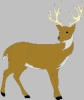 WILDLIFE in Indiana includes raccoons, foxes, skunks, and weasels. Most of the large animals are gone except for deer. The State Mammal is the
white-tailed deer
Indiana has a number of programs and funds targeted for wildlife habitat acquisition and biodiversity.
Indiana Wildlife Federation supports backyard wildlife habitats.
Endangered Wildlife include badgers, bobcats, river otterrs, wolves, and several types of bats. The
Indiana Bat is a Federally endangered mammal. Indiana participates in the
Wildlife Protection Program. There are 3 National
Wildlife Refuges in the state.
WILDLIFE in Indiana includes raccoons, foxes, skunks, and weasels. Most of the large animals are gone except for deer. The State Mammal is the
white-tailed deer
Indiana has a number of programs and funds targeted for wildlife habitat acquisition and biodiversity.
Indiana Wildlife Federation supports backyard wildlife habitats.
Endangered Wildlife include badgers, bobcats, river otterrs, wolves, and several types of bats. The
Indiana Bat is a Federally endangered mammal. Indiana participates in the
Wildlife Protection Program. There are 3 National
Wildlife Refuges in the state.

-
 XMAS is the abbreviation of Christmas and is celebrated in Indiana the same as it in the rest of the
United States and
around the world. The post office in the town of
Santa Claus postmarks thousands of holiday cards each year.
Holiday World is located in this town. Indiana has had 2
Grand Champion Christmas Trees. The
National Christmas Tree Association has information about Christmas trees.
XMAS is the abbreviation of Christmas and is celebrated in Indiana the same as it in the rest of the
United States and
around the world. The post office in the town of
Santa Claus postmarks thousands of holiday cards each year.
Holiday World is located in this town. Indiana has had 2
Grand Champion Christmas Trees. The
National Christmas Tree Association has information about Christmas trees.
-
 YMCA organizations are located throughout Indiana.
-
 There are several
YOUTH HOSTELS in Indiana. The state also has
Elder Hostels.
There are several
YOUTH HOSTELS in Indiana. The state also has
Elder Hostels.

 There are several
-
 The use of
ZIP CODES (Zone Improvement Plan) in the United States began in 1963. Zipcodes in Indiana all start with the number 4. The Postal Code is IN
The use of
ZIP CODES (Zone Improvement Plan) in the United States began in 1963. Zipcodes in Indiana all start with the number 4. The Postal Code is IN
-
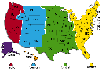 Indiana has 2 Time
ZONES. Eighty counties are in the Eastern Time Zone and 12 are in the Central Time Zone. The entire state observes
daylight savings time. Most of the state lies in
Plant Hardiness zone 5a to 6b.
Indiana has 2 Time
ZONES. Eighty counties are in the Eastern Time Zone and 12 are in the Central Time Zone. The entire state observes
daylight savings time. Most of the state lies in
Plant Hardiness zone 5a to 6b.
-
 Indiana has several
ZOOS including the
Columbian Park Zoo and
Fort Wayne Children's Zoo. The
Potawatome Zoo is the oldest zoo in the state. The
Evansville Mesker Park Zoo has more than 500 animals and features a butterfly exhibit during the summer. The
Indianapolis Zoo is located in White River State Park. A
Llama Farm near Indianapolis offers tours.
Black Pine Animal Park in Albion is a sanctuary for rescued and retired animals.
Indiana has several
ZOOS including the
Columbian Park Zoo and
Fort Wayne Children's Zoo. The
Potawatome Zoo is the oldest zoo in the state. The
Evansville Mesker Park Zoo has more than 500 animals and features a butterfly exhibit during the summer. The
Indianapolis Zoo is located in White River State Park. A
Llama Farm near Indianapolis offers tours.
Black Pine Animal Park in Albion is a sanctuary for rescued and retired animals.
 The use of
 Indiana has 2 Time
 Indiana has several


©2002
