 APRIL 2009

TENNESSEE FROM A-Z
Agriculture and Commerce
Tennessee - America at its Best
Facts about Tennessee for each letter of the alphabet
and links to the facts
A IS FOR AGRICULTURE, AMISH, ARCHAEOLOGY, & ARTS
-
 The
Tennessee AGRICULTURE Service provides information about agriculture in the state. Agriculture is an important part of life in Tennessee and nearly half of the state is covered by farmland. Livestock and livestock products account for more than half of the agriculture in Tennessee. The state is a leader in the production of cotton and cotton made Memphis a major port on the Mississippi River. Soybeans, corn, and tobacco grow in Eastern and Middle Tennessee.
Soil erosio is a major concern. Information about agriculture is provided by the
National Agriculture Statistic Service and
AG in the Classroom. The most glamourous product of the state is probably the
Tennessee Walking Horse which is the State Horse. Tennessee has
4-H Clubs and chapters of
Future Farmers of America.
The
Tennessee AGRICULTURE Service provides information about agriculture in the state. Agriculture is an important part of life in Tennessee and nearly half of the state is covered by farmland. Livestock and livestock products account for more than half of the agriculture in Tennessee. The state is a leader in the production of cotton and cotton made Memphis a major port on the Mississippi River. Soybeans, corn, and tobacco grow in Eastern and Middle Tennessee.
Soil erosio is a major concern. Information about agriculture is provided by the
National Agriculture Statistic Service and
AG in the Classroom. The most glamourous product of the state is probably the
Tennessee Walking Horse which is the State Horse. Tennessee has
4-H Clubs and chapters of
Future Farmers of America.
-
 The
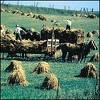
Amish way of life largely revolves around working and socializing together as a family and community. In 1944, Amish people established a community in northern
Lawrence County. The Old Order Amish community is still in existence and is considered a tourist attraction.
The
Amish way of life largely revolves around working and socializing together as a family and community. In 1944, Amish people established a community in northern
Lawrence County. The Old Order Amish community is still in existence and is considered a tourist attraction.
-
 Tennessee has
ARCHAEOLOGY and Palenontoloty events for kids, families and schools. The
Tennessee Archaeology Network promotes and publicizes archaeology research in the state. The
Tennessee Archaeology Council has responsibilities mandated by legislation. The
East Tennesse Historical Society preserves the stories, artifacts, and events of the region.
Old Stone Fort is a State Archaeology Park and has programs about the Woodland Indians.
Tennessee has
ARCHAEOLOGY and Palenontoloty events for kids, families and schools. The
Tennessee Archaeology Network promotes and publicizes archaeology research in the state. The
Tennessee Archaeology Council has responsibilities mandated by legislation. The
East Tennesse Historical Society preserves the stories, artifacts, and events of the region.
Old Stone Fort is a State Archaeology Park and has programs about the Woodland Indians.
-
 The
Tennesse ARTS Commission supports hundreds of art organizations in the state. The
Tennessee Art League promotes art through workshops, exhibits, and scholarships.
Cheekwood is an estate that includes Tennesse Fine Arts Center and Tennessee Botanical Gardens. Brooks Museum of Art in Memphis includes American portraits and sculptures. The Carl Van Vechten Museum of Art at Knoxville University has collections of art by African-Americans.
The
Tennesse ARTS Commission supports hundreds of art organizations in the state. The
Tennessee Art League promotes art through workshops, exhibits, and scholarships.
Cheekwood is an estate that includes Tennesse Fine Arts Center and Tennessee Botanical Gardens. Brooks Museum of Art in Memphis includes American portraits and sculptures. The Carl Van Vechten Museum of Art at Knoxville University has collections of art by African-Americans.
 The
The
 The
The
 Tennessee has
 The
The
-
 Tennessee has
BEACHES on lakes and rivers. Many of the
State Parks have beaches. Long Island Beach and Willow Beach are Historical Beaches.
Tennessee has
BEACHES on lakes and rivers. Many of the
State Parks have beaches. Long Island Beach and Willow Beach are Historical Beaches.
-
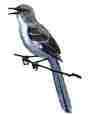 Over 300 species of
BIRDS reside in or migrate through Tennessee including
Bald e. The
Mockingbird is the Tennessee State Bird. The State Game Bird is the
Bobwhite Quail. Southeast Tennessee has some special places for
bird watching. The Fish & Wildlife Service has a migratory Bird Field Station.
Over 300 species of
BIRDS reside in or migrate through Tennessee including
Bald e. The
Mockingbird is the Tennessee State Bird. The State Game Bird is the
Bobwhite Quail. Southeast Tennessee has some special places for
bird watching. The Fish & Wildlife Service has a migratory Bird Field Station.
-
 Tennessee has over 19,000
BRIDGES over public roads including
covered bridges. The covered bridge at Elizabethton and Carter County is one of 2 covered bridges in the state identified by a Historical Marker. The state also has
suspension and swinging bridges. Foothills Parkway Bridge is the first of 10 bridges needed to complete the
Foothills Parkway. Natchez Parkway is a dual concrete arch bridge and is considered one of the 7 man-man wonders of the country.
Gateway Blvd. Bridge is an arch bridge. Tennessee has over a dozen
natural arch bridges. There are several bridges across the Tennessee River at
Knoxville.
Tennessee has over 19,000
BRIDGES over public roads including
covered bridges. The covered bridge at Elizabethton and Carter County is one of 2 covered bridges in the state identified by a Historical Marker. The state also has
suspension and swinging bridges. Foothills Parkway Bridge is the first of 10 bridges needed to complete the
Foothills Parkway. Natchez Parkway is a dual concrete arch bridge and is considered one of the 7 man-man wonders of the country.
Gateway Blvd. Bridge is an arch bridge. Tennessee has over a dozen
natural arch bridges. There are several bridges across the Tennessee River at
Knoxville.
-
 Tennessee has several Scenic
BYWAYS. The
Ocoee Scenic Byway was the first designated national forest scenic byway in the country. The Natches Trace Parkway follows a historic Indian and Pioneer trail. The
Old Hickory Nature Trail near Old Hickory Lake is part of the
National Trails System. The
Appalachian Trail passes through Tennessee. The state has many other types of trails including
Horse Trails and celebrates
National Trails Day.
Fort Cass is part of the U.S. Flagship Trail.
Tennessee has many
Roadside Attractions.
Tennessee has several Scenic
BYWAYS. The
Ocoee Scenic Byway was the first designated national forest scenic byway in the country. The Natches Trace Parkway follows a historic Indian and Pioneer trail. The
Old Hickory Nature Trail near Old Hickory Lake is part of the
National Trails System. The
Appalachian Trail passes through Tennessee. The state has many other types of trails including
Horse Trails and celebrates
National Trails Day.
Fort Cass is part of the U.S. Flagship Trail.
Tennessee has many
Roadside Attractions.
 Tennessee has
 Over 300 species of
 Tennessee has over 19,000
 Tennessee has several Scenic
-
 In the early History of Tennessee, 4 different towns served as the CAPITAL - Knoxville, Kingston, Murfressboro, and Nashville.
Nashville was chosen as the capital and is also known as the Capital of Country Music. The Capitol Building is made of Tennessee stone and marble and modeled after a Greek Temple.
Reelfoot lake is called the "Turtle Capital of the World".
Oak Ridge is known as the Energy Capital of the World.
In the early History of Tennessee, 4 different towns served as the CAPITAL - Knoxville, Kingston, Murfressboro, and Nashville.
Nashville was chosen as the capital and is also known as the Capital of Country Music. The Capitol Building is made of Tennessee stone and marble and modeled after a Greek Temple.
Reelfoot lake is called the "Turtle Capital of the World".
Oak Ridge is known as the Energy Capital of the World.
-
 Tennesse has all forms of
COMMUNICATIONS including radio, television, newspapers, telephone, and internet. The
Grand Ole Opry is the longest running radio program in the world.
Tennesse has 6
telephone area codes. There are many
Webcams in Tennesee.
Tennesse has all forms of
COMMUNICATIONS including radio, television, newspapers, telephone, and internet. The
Grand Ole Opry is the longest running radio program in the world.
Tennesse has 6
telephone area codes. There are many
Webcams in Tennesee.
-
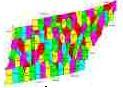 Tennessee has 95
COUNTIES. The largest county is
Shelby and
Trousdale is the smallest. Shelby has the largest population and
Picket has the smallest. The oldest town in the state is
Jonesborough. The term "county" is used in 48 of the 50 states for the local government below the
State Govrnment.
Tennessee has 95
COUNTIES. The largest county is
Shelby and
Trousdale is the smallest. Shelby has the largest population and
Picket has the smallest. The oldest town in the state is
Jonesborough. The term "county" is used in 48 of the 50 states for the local government below the
State Govrnment.
 In the early History of Tennessee, 4 different towns served as the CAPITAL - Knoxville, Kingston, Murfressboro, and Nashville.
 Tennesse has all forms of
 Tennessee has 95
-
Tennessee has many
DAMS including small agricultural dams and large
hydroelectric dams. The
Tennessee Valley Authority maintains 29 conventional hydroelectric dams throughout the Tennessee River system and one pumped-storage facility for the production of electricity. In addition, 4 Alcoa dams on the Little Tennessee River and 8 Corps of Engineers dams on the Cumberland River contribute to the TVA power system.
Norris Dam was the first dam built by the TVA and is a State Park. Visitors are welcome to tour the TVA dams and steam plants. The
Tennessee River has
9 dams. The dozens of reservoirs created by dams are known as the
Great Lakes of the South. The
American Museum of Science and Energy in Oak Ridge is one of the largest energy exhibits in the world and has computer games, live demonstrations, and hundreds of displays. The
South Holston Dam is the third largest earthen dam in the world. Raccoon Mountain is one of the largest
hydro projects in the country.
Wind Power and
Solar Power are being investigated, and 2 types of
Geothermal Power are used commercially.
-
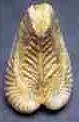 The only DINOSAUR fossils ever found in Tennessee were of the
hadrosaur (duck-billed dinosaur) Edmontosaurus. It's a well known herbivore (plant-eater) that lived during the Cretaceous Period. The State Fossil is
Pterotrigonia Thoracica. Tennessee has an interesting
paleontology history.
The only DINOSAUR fossils ever found in Tennessee were of the
hadrosaur (duck-billed dinosaur) Edmontosaurus. It's a well known herbivore (plant-eater) that lived during the Cretaceous Period. The State Fossil is
Pterotrigonia Thoracica. Tennessee has an interesting
paleontology history.

 The only DINOSAUR fossils ever found in Tennessee were of the
-
Tennessee has experienced many
EARTHQUAKES. The New Madrid earthquake in 1811 was the largest earthquake in American History. The earthquake sunk a large piece of forest in northern Tennessee.
Reefoot Lake and Lake Counties was formed during this earthquake.
-
 Free Public
EDUCATION is available from the age of 5 thru the age of 17. The
Department of Education oversees education in the state. The Division of
Special Education promotes educational services and programs for all children in Tenneseee with special needs. The Office of
Adult Education has Adult Secondary Educational Programs, Families Programs, and General Educational Development Programs. The
Tennessee Aquarium has Educational Programs. The Great Smokey Mountains National Park offers
Environmental Education Programs for students.
GreatSchools and
SchoolBug provide information about schools in Tennessee.
Free Public
EDUCATION is available from the age of 5 thru the age of 17. The
Department of Education oversees education in the state. The Division of
Special Education promotes educational services and programs for all children in Tenneseee with special needs. The Office of
Adult Education has Adult Secondary Educational Programs, Families Programs, and General Educational Development Programs. The
Tennessee Aquarium has Educational Programs. The Great Smokey Mountains National Park offers
Environmental Education Programs for students.
GreatSchools and
SchoolBug provide information about schools in Tennessee.
-
 Tennessee has Special
EVENTS and festivals throughout the year including
State and County Fairs. Opryland is now
Opry Mills - a megaentertainment center. Tennessee has the
Longest Yard Sale in the World extending 450 miles. Knoxville was home to the
1982 World's Fair. The state observes fixed
Public Holidays and other special days.
Tennessee has Special
EVENTS and festivals throughout the year including
State and County Fairs. Opryland is now
Opry Mills - a megaentertainment center. Tennessee has the
Longest Yard Sale in the World extending 450 miles. Knoxville was home to the
1982 World's Fair. The state observes fixed
Public Holidays and other special days.

 Free Public
 Tennessee has Special
-
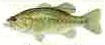 Tennessee has over 150 species of native
FISH. The
Largemouth Bass is the State Game Fish and the
Channel Catfish is the State Commercial Fish. A
Federal Fish hatchery is located near Dale Hollow Lake. There are 35 aquatic and terrestrial species in the state. The
Tennessee Aquarium is one of the largest fresh water aquariums in the world. Tennesse has 2 National Fish Hatcheries. The
Erwin National Fish Hatchery has tours and a wildlife viewing area. Tennesse also has a large variety of
mussels and snails
Tennessee has over 150 species of native
FISH. The
Largemouth Bass is the State Game Fish and the
Channel Catfish is the State Commercial Fish. A
Federal Fish hatchery is located near Dale Hollow Lake. There are 35 aquatic and terrestrial species in the state. The
Tennessee Aquarium is one of the largest fresh water aquariums in the world. Tennesse has 2 National Fish Hatcheries. The
Erwin National Fish Hatchery has tours and a wildlife viewing area. Tennesse also has a large variety of
mussels and snails
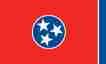 The three stars on the State
FLAG represent the three different land forms in Tennessee. The state has had a variety of flags and some
counties have a flag. The
Tennessee Institute for Flag Studies is dedicated to the pursuit of Flag Research.
The United South & Eastern Tribes have a flag
The three stars on the State
FLAG represent the three different land forms in Tennessee. The state has had a variety of flags and some
counties have a flag. The
Tennessee Institute for Flag Studies is dedicated to the pursuit of Flag Research.
The United South & Eastern Tribes have a flag
li
 Tennesse has
FOOD Festival, Shows, and Events. The state is known for its
Southern Appalachian food. Tennessee has 3 edible state symbols - bobwhite quail, largemouth bass, and tomato.
Food Banks throughout the state provide food for those in need.
Tennesse has
FOOD Festival, Shows, and Events. The state is known for its
Southern Appalachian food. Tennessee has 3 edible state symbols - bobwhite quail, largemouth bass, and tomato.
Food Banks throughout the state provide food for those in need.
-
 The
Iris is the State FLOWER, and an
Iris festival is held every year in Dresden. The
Passion Flower is the State Wildflower. A
Spring Wildflower Pilgrimage is an annual 7-day event in the Great Smokey Mountains National Park.
The
Iris is the State FLOWER, and an
Iris festival is held every year in Dresden. The
Passion Flower is the State Wildflower. A
Spring Wildflower Pilgrimage is an annual 7-day event in the Great Smokey Mountains National Park.
 Tennessee has over 150 species of native
 The three stars on the State
 Tennesse has
 The
The
-
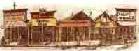 Tennessee has 7
GHOST TOWNS.
Indian Gap has graves and a mysterious wall.
Chuckalisa is a tourist center with a small village. Most of the town of
Rugby has been restored.
Sunshine has a few residents.
Tennessee has 7
GHOST TOWNS.
Indian Gap has graves and a mysterious wall.
Chuckalisa is a tourist center with a small village. Most of the town of
Rugby has been restored.
Sunshine has a few residents.

-
The
GLOBAL position of Tennesse is approximately 36 degrees north and 84 degrees west.
Rutherford County is the geographic center of the state. The highest point is
Clingmans Dome, and the lowest point is in Shelby County on the Mississippi River. Tennessee is bordered by 8 states and has 2 natural boundaries - the Mississippi River to the west and the Appalachian mountains to the east. NOAA provides information about the
Topography of Tennessee.
Geocaching is a treasure hunt using a
global positioning system, and there are many
geocaches in Tennessee.
-
 The
GOVERNMENT of Tennessee is similar to that of the Federal Government and has operated under its present consitution since 1870. The
County Technical Assitance Service helps county officials develop and regulate ideas and improve services to citizens in the state.
The
GOVERNMENT of Tennessee is similar to that of the Federal Government and has operated under its present consitution since 1870. The
County Technical Assitance Service helps county officials develop and regulate ideas and improve services to citizens in the state.
 Tennessee has 7

 The
The
-
 Tennessee has many
HISTORIC SITES including some from
Colonial Wars, The
Revolutionary War, The
War of 1812, and
Civil War. Chattanooga Choo-Choo is a historical landmark. There are also has many historical
forts, Civil War Defenses, and Camps. Johnsonville Batteries,
James White Fort,
Fort Pillow, and
Fort Loudoun are State Historic Parks.
Fort Nashborough has been rebuilt to show what life was like at the time of the fonding of Nashville.
Fort Donelson is a National Cemetery, and part of the National Park System has 10 historic sites. The
Tennessee Preservation Trust identifies threatened historic resources in the state.
Tennessee has many
HISTORIC SITES including some from
Colonial Wars, The
Revolutionary War, The
War of 1812, and
Civil War. Chattanooga Choo-Choo is a historical landmark. There are also has many historical
forts, Civil War Defenses, and Camps. Johnsonville Batteries,
James White Fort,
Fort Pillow, and
Fort Loudoun are State Historic Parks.
Fort Nashborough has been rebuilt to show what life was like at the time of the fonding of Nashville.
Fort Donelson is a National Cemetery, and part of the National Park System has 10 historic sites. The
Tennessee Preservation Trust identifies threatened historic resources in the state.
-
 The
HISTORY of Tennessee dates back 12,00 years ago.
Recorded history began in 1540. Tennessee has hundreds of
MUSEUMS. The
Tennessee State Museum is one of the largest state museums in the country. Nashville Toy Museum has hundreds of toy trains, boats, soldiers, dolls, and bears. Tennessee participates in
National History Day. The
Seeing Eye Dog organization began in Nashville.
The
HISTORY of Tennessee dates back 12,00 years ago.
Recorded history began in 1540. Tennessee has hundreds of
MUSEUMS. The
Tennessee State Museum is one of the largest state museums in the country. Nashville Toy Museum has hundreds of toy trains, boats, soldiers, dolls, and bears. Tennessee participates in
National History Day. The
Seeing Eye Dog organization began in Nashville.
 Tennessee has many
 The
The
-
 Major
INDUSTRIES in Tennessee include chemicals, transportation equipment, rubber, and plastics.
mining is an important industry in parts of the state. Country and Western music and
tourism are also major industries. The
equine(horse) industry is an important part of the agriculture industry in Tennessee. The
Towing & Recovery Hall of Fame/Museum preserves the history of the towing and recovery industry. The state sponsors an
Industries Week with courses for nuclear and other industries. Automobile manufacturing and energy facilities are a growing industry.
Trade Shows are held throughout the year in the state. The first supermarket in the world was in Memphis and called the
Piggly Wiggly.
Major
INDUSTRIES in Tennessee include chemicals, transportation equipment, rubber, and plastics.
mining is an important industry in parts of the state. Country and Western music and
tourism are also major industries. The
equine(horse) industry is an important part of the agriculture industry in Tennessee. The
Towing & Recovery Hall of Fame/Museum preserves the history of the towing and recovery industry. The state sponsors an
Industries Week with courses for nuclear and other industries. Automobile manufacturing and energy facilities are a growing industry.
Trade Shows are held throughout the year in the state. The first supermarket in the world was in Memphis and called the
Piggly Wiggly.
-

 Tennesse has a variety of
INSECTS and 2 official state insects - the
firefly and the
ladybug.The
Honeybee is the State Agricultural Insect. Tennessee has several species of
butterflies. The State Butterfly is the
Zebra Swallowtail. Two species of
scorpions are found in Tennessee.
Tennesse has a variety of
INSECTS and 2 official state insects - the
firefly and the
ladybug.The
Honeybee is the State Agricultural Insect. Tennessee has several species of
butterflies. The State Butterfly is the
Zebra Swallowtail. Two species of
scorpions are found in Tennessee.
-
 Tennesse has over 400
ISLANDS on lakes and rivers. Sunrise Towhead is the largest island.
Mud Island is accessible by footbridge and monorail and is home to the River Walk and the Mississippi River Museums.
Presidents Island is a State Wildlife Management Area.
Tennesse has over 400
ISLANDS on lakes and rivers. Sunrise Towhead is the largest island.
Mud Island is accessible by footbridge and monorail and is home to the River Walk and the Mississippi River Museums.
Presidents Island is a State Wildlife Management Area.
 Major
Major

 Tennesse has a variety of
 Tennesse has over 400
-
 JAZZ is popular in Tennesse and
Jazz Bands are located throughout the state. Jazz is promoted by the
Tennessee Jazz and Blue Society which hosts an annual 3 day Jazz festival every year.
Watertownhas a Jazz festival. Middle Tennessee State University has a
Jazz Orchestra.
JAZZ is popular in Tennesse and
Jazz Bands are located throughout the state. Jazz is promoted by the
Tennessee Jazz and Blue Society which hosts an annual 3 day Jazz festival every year.
Watertownhas a Jazz festival. Middle Tennessee State University has a
Jazz Orchestra.
 JAZZ is popular in Tennesse and
-
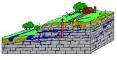 Tennessee has
KARST and
caves.
Grassy Cove Karst Area is a National Natural Landmark. The
Karst Waters Institute provides information about karst water systems. The US Geological Survey provides information about
carbonate-rock aquifers.
Tennessee has more than 8,000 documented
caves including several
Show Caves and grottos. Twin caves under Lookout Mountain are called Lookout Mountain Caverns. Forbidden caverns near Sevierville were originally inhabited by Native Americans and have natural chimneys, waterfalls, and underground streams. Crystal Shrine Grotto is a handmade cave of Bible scenes.
Tennessee Cave Survey is devoted to the discovery and mapping of caves in the state. The
National Speological Society has chapters in Tennessee.
Tennessee has
KARST and
caves.
Grassy Cove Karst Area is a National Natural Landmark. The
Karst Waters Institute provides information about karst water systems. The US Geological Survey provides information about
carbonate-rock aquifers.
Tennessee has more than 8,000 documented
caves including several
Show Caves and grottos. Twin caves under Lookout Mountain are called Lookout Mountain Caverns. Forbidden caverns near Sevierville were originally inhabited by Native Americans and have natural chimneys, waterfalls, and underground streams. Crystal Shrine Grotto is a handmade cave of Bible scenes.
Tennessee Cave Survey is devoted to the discovery and mapping of caves in the state. The
National Speological Society has chapters in Tennessee.
-
 Many aspects of life in Tennessee focus on KIDS. The state has a
Fun for Kids Page. The
State Fire Marshall's Office and the
TVA each have a kids page. The
Health Deapartment also has a kids page.
Many aspects of life in Tennessee focus on KIDS. The state has a
Fun for Kids Page. The
State Fire Marshall's Office and the
TVA each have a kids page. The
Health Deapartment also has a kids page.
 Tennessee has
 Many aspects of life in Tennessee focus on KIDS. The state has a
-
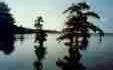 Tennesse has hundreds of
LAKES.
Most of the lakes were created by building dams for flood control. The
Lost Sea in Sweetwater is considered to be the second largest underground lake in the world. A peninsula on the Tennessee-Kentucky border is called
Land Between the Lakes and is a National Recreation Area.
Cheatham Lake features a waterfowl refuge and game management area.
Dale Hollow Lake has all water sports including scuba diving.
Tennesse has hundreds of
LAKES.
Most of the lakes were created by building dams for flood control. The
Lost Sea in Sweetwater is considered to be the second largest underground lake in the world. A peninsula on the Tennessee-Kentucky border is called
Land Between the Lakes and is a National Recreation Area.
Cheatham Lake features a waterfowl refuge and game management area.
Dale Hollow Lake has all water sports including scuba diving.
-
 Public
LIBRARIES are located throughout Tennessee. The State Library and Archives has information on Tennesse history. Vanderbilt University Library and the University of Tennesee Library have academic and scolarly collections. There are also libraries in the Universities, colleges, and schools.
Kingsport has one of the largest printing and bookbinding plants in the country. Fort Comstach is now
Lawson McGhee Library. Jonesborough has a
National Storytelling Festival.
Public
LIBRARIES are located throughout Tennessee. The State Library and Archives has information on Tennesse history. Vanderbilt University Library and the University of Tennesee Library have academic and scolarly collections. There are also libraries in the Universities, colleges, and schools.
Kingsport has one of the largest printing and bookbinding plants in the country. Fort Comstach is now
Lawson McGhee Library. Jonesborough has a
National Storytelling Festival.
 Tennesse has hundreds of
 Public
-
 Tennessee is home to 2 MILITARY installations -
Arnold Air Force Base, and Naval Air Station Memphis.
Mid-South Naval Support Activity is located near Memphis.
Shiloh National Military Park has a Civil War Library and exhibits of relics and maps in the Visitor Center and is often the scene of Civil War re-enactments. The
US Army Corps of Engineers has projects in Tennessee. The
Tennessee Military Department is divided into 4 organizations - the Tennessee Army National Guard, the Tennessee Air National Guard, the Tennessee Emergency Management Agency, and The all-volunteer Tennessee State Guard.
Tennessee is home to 2 MILITARY installations -
Arnold Air Force Base, and Naval Air Station Memphis.
Mid-South Naval Support Activity is located near Memphis.
Shiloh National Military Park has a Civil War Library and exhibits of relics and maps in the Visitor Center and is often the scene of Civil War re-enactments. The
US Army Corps of Engineers has projects in Tennessee. The
Tennessee Military Department is divided into 4 organizations - the Tennessee Army National Guard, the Tennessee Air National Guard, the Tennessee Emergency Management Agency, and The all-volunteer Tennessee State Guard.
-
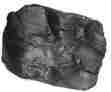 A large variety of
MINERALS and rocks are found in Tennesse and the state leads the country in the production of zinc.
Coal is the most valuable mineral and most of it comes from underground mines. The
Tennesse Division of Geology is one of the oldest geologic service and research organization in the country Limestone is the Tennessee State Rock. The State Gem is the
River Pearl. The The
U.S. Geological Survey has programs in Tennessee.
A large variety of
MINERALS and rocks are found in Tennesse and the state leads the country in the production of zinc.
Coal is the most valuable mineral and most of it comes from underground mines. The
Tennesse Division of Geology is one of the oldest geologic service and research organization in the country Limestone is the Tennessee State Rock. The State Gem is the
River Pearl. The The
U.S. Geological Survey has programs in Tennessee.
-
 Tennesse
MOUNTAINS offer a wide range of activities. The
Great Smoky Mountains is a National Park and creates a border between Tennessee and North Carolina.
Seven states can be seen from the top of Lookout Mountain. Tennessee has 13
mountain peaks over 6,000 feet.The
Incline Railway which goes up the side of Lookout Mountain is the steepest passenger incline in the world. There are many tunnels under mountains.
Tennesse
MOUNTAINS offer a wide range of activities. The
Great Smoky Mountains is a National Park and creates a border between Tennessee and North Carolina.
Seven states can be seen from the top of Lookout Mountain. Tennessee has 13
mountain peaks over 6,000 feet.The
Incline Railway which goes up the side of Lookout Mountain is the steepest passenger incline in the world. There are many tunnels under mountains.
-
 Nashville is the home of
Country MUSIC. Memphis is home of The Blues. Eastern Tennesee is considered the center of
Bluegrass music. The
Country Museum Hall of Fame and Museum is in Nashville. Tennesse has several official
State Songs. Tennessee has 4 opera companies,
Chattanooga Symphony and Opera,
Knoxville Opera Company, Nashville Opera Association,
Opera Memphis, and several
Symphony Orchestras. The State Dance is the
Square Dance and there are several square dance and round dance clubs.
Nashville is the home of
Country MUSIC. Memphis is home of The Blues. Eastern Tennesee is considered the center of
Bluegrass music. The
Country Museum Hall of Fame and Museum is in Nashville. Tennesse has several official
State Songs. Tennessee has 4 opera companies,
Chattanooga Symphony and Opera,
Knoxville Opera Company, Nashville Opera Association,
Opera Memphis, and several
Symphony Orchestras. The State Dance is the
Square Dance and there are several square dance and round dance clubs.
 Tennessee is home to 2 MILITARY installations -
 A large variety of
 Tennesse
 Nashville is the home of
-
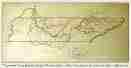 One of the explanations as to how Tennesse got its
NAME is that it originated from the word Tanasi, the names of Cherokee villages on the Tennessee River. Tennessee has several nicknames including the Volunteer State, The Big Bend State, Mother of Southwestern Statesmen, and Hog/Hominy State. Residents are called Tenneseeans and sometimes called Butternuts which first applied to Tennessee soldiers during the Civil War because of the tan color of their uniforms.
Oak Ridge is called the Home of the Atomic Bomb.
One of the explanations as to how Tennesse got its
NAME is that it originated from the word Tanasi, the names of Cherokee villages on the Tennessee River. Tennessee has several nicknames including the Volunteer State, The Big Bend State, Mother of Southwestern Statesmen, and Hog/Hominy State. Residents are called Tenneseeans and sometimes called Butternuts which first applied to Tennessee soldiers during the Civil War because of the tan color of their uniforms.
Oak Ridge is called the Home of the Atomic Bomb.
-
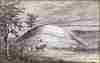 NATIVE AMERICANS were the first inhabitants of Tennessee and were known as
Mound Builders. When they left,
Cherokees claimed the northern part of Eastern and Middle Tennessee,
Creeks the Southeastern Tennessee, and the
Chickasaws Western Tennessee.
Sequoyah is the only known man in the history of the world to single-handedly develop an alphabet. Tennessee has been home to several
Indian Tribes but it does not have any Federally-Recognized Tribes. However, many
Federally recognized Tribes/First Nations have historical ties to Tennessee and the state has 3 Federally non-recognized Tribes including the Cumberland Creek Indian Confederation, Etowah Cherokee Nation, and Red Clay Band of S.E. Cherokee Confederacy.
Chucalissa Indian Village and Museum is the site of a Native American Village.
NATIVE AMERICANS were the first inhabitants of Tennessee and were known as
Mound Builders. When they left,
Cherokees claimed the northern part of Eastern and Middle Tennessee,
Creeks the Southeastern Tennessee, and the
Chickasaws Western Tennessee.
Sequoyah is the only known man in the history of the world to single-handedly develop an alphabet. Tennessee has been home to several
Indian Tribes but it does not have any Federally-Recognized Tribes. However, many
Federally recognized Tribes/First Nations have historical ties to Tennessee and the state has 3 Federally non-recognized Tribes including the Cumberland Creek Indian Confederation, Etowah Cherokee Nation, and Red Clay Band of S.E. Cherokee Confederacy.
Chucalissa Indian Village and Museum is the site of a Native American Village.
 One of the explanations as to how Tennesse got its
-
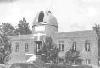 Tennesse has several
Observatories and planetariums.
Astronomy groups and programs are located throughout the state. The
Jones Observatory at the University of Tennesee at Chattanoga was the first large public observatory in the south. Cumberland Science Museum has a planetarium.
Tennesse has several
Observatories and planetariums.
Astronomy groups and programs are located throughout the state. The
Jones Observatory at the University of Tennesee at Chattanoga was the first large public observatory in the south. Cumberland Science Museum has a planetarium.
 Tennesse has several
-
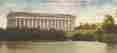 Tennessee has a variety of
PARKS including a National Park, State Parks, and county and city parks.
The
Great Smokey Mountains is the most visited National Park in the country and
Bays Mountain Park is one of the largest city parks in the country. Theme parks include
Centennial Park which has a full-sized replica of the Parthenon,
Dollywood, and
Mud Island in Memphis that represents the history of the Mississippi River.
Tennessee has a variety of
PARKS including a National Park, State Parks, and county and city parks.
The
Great Smokey Mountains is the most visited National Park in the country and
Bays Mountain Park is one of the largest city parks in the country. Theme parks include
Centennial Park which has a full-sized replica of the Parthenon,
Dollywood, and
Mud Island in Memphis that represents the history of the Mississippi River.
-
 Tennessee has a
population of about 5 1/2 million PEOPLE. According to the Tennessee census, 1 in 5 Tenneseans trace their roots directly to the
Scots-Irish settlers of the 18th century. Many famous
people have called Tennesee their home.
Hernando de Soto was the first European to explore what is now Tennessee. Graceland, the home of
Elvis Presley, is the second most visited house in the country. Three presidents came from Tennessee -
Andrew Jackson, James Polk, and
Andrew Johnson. The Hermitage, home of
Andrew Jackson, is the fourth most visited President's home in the country. David Farragut was the first Admiral in the U.S. Navy. The home of
Alvin York, a renowned hero of World War I, is a National Historic Landmark.
Tennessee has a
population of about 5 1/2 million PEOPLE. According to the Tennessee census, 1 in 5 Tenneseans trace their roots directly to the
Scots-Irish settlers of the 18th century. Many famous
people have called Tennesee their home.
Hernando de Soto was the first European to explore what is now Tennessee. Graceland, the home of
Elvis Presley, is the second most visited house in the country. Three presidents came from Tennessee -
Andrew Jackson, James Polk, and
Andrew Johnson. The Hermitage, home of
Andrew Jackson, is the fourth most visited President's home in the country. David Farragut was the first Admiral in the U.S. Navy. The home of
Alvin York, a renowned hero of World War I, is a National Historic Landmark.
 Tennessee has a variety of
 Tennessee has a
-
 The
U.S. Mint issued a QUARTER for each state according to its admission date. Tennessee was admitted the the Union on June 1, 1796, and a
Tennessee quarter was issued in 2002. The U.S. Mint has a special
Kids Page.
The
U.S. Mint issued a QUARTER for each state according to its admission date. Tennessee was admitted the the Union on June 1, 1796, and a
Tennessee quarter was issued in 2002. The U.S. Mint has a special
Kids Page.
-
 QUILTING is popular in Tennessee and
Quilting Guilds are found throughout the state. There are also Weaving Guilds - Tennessee
Hendersonville - Middle Tennessee Fiber Guild Nashville - Handweavers Guild of Nashville .
QUILTING is popular in Tennessee and
Quilting Guilds are found throughout the state. There are also Weaving Guilds - Tennessee
Hendersonville - Middle Tennessee Fiber Guild Nashville - Handweavers Guild of Nashville .
-
 Take a
quiz about Tennessee.
Take a
quiz about Tennessee.
 The
The

 Take a
-
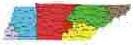 Tennessee has 3 major
REGIONS - Eastern, Middle, and Western. The state has 6
land regions - Gulf Coastal Plain, Highland Rim, Nashville Basin, Appalachian Ridge, Appalachian Plateau, and Blue Ridge.
Tennessee has 3 major
REGIONS - Eastern, Middle, and Western. The state has 6
land regions - Gulf Coastal Plain, Highland Rim, Nashville Basin, Appalachian Ridge, Appalachian Plateau, and Blue Ridge.
-
 Tennessee has a variety of
REPTILES and amphibians including salamanders, frogs, toads, turtles, lizards, and snakes. The State Reptile is the
Box Turtle. Tennessess has several species of
salamanders and the State Amphibian is the
Cave Salamander. Tennesse has an
Amphibian Monitoring Program
Tennessee has a variety of
REPTILES and amphibians including salamanders, frogs, toads, turtles, lizards, and snakes. The State Reptile is the
Box Turtle. Tennessess has several species of
salamanders and the State Amphibian is the
Cave Salamander. Tennesse has an
Amphibian Monitoring Program
-
 Tennessee has many
RIVERS. The 3 major rivers are the
Mississippi, the
Cumberland, and the
Tennessee. The rivers are an important means of transportation. There is canoeing and float water rafting on several rivers, and a
wild and scenic river. The
Ocoee River in southeastern Tennessee is one of the top white water recreational rivers in the country and was the site of the Olympic White Water Canoe/Kayak competition in 1996. The Lower Mississippi is designated an American Heritage River.
Memphis is the largest port city on the Mississippi River.
Tennessee has many
RIVERS. The 3 major rivers are the
Mississippi, the
Cumberland, and the
Tennessee. The rivers are an important means of transportation. There is canoeing and float water rafting on several rivers, and a
wild and scenic river. The
Ocoee River in southeastern Tennessee is one of the top white water recreational rivers in the country and was the site of the Olympic White Water Canoe/Kayak competition in 1996. The Lower Mississippi is designated an American Heritage River.
Memphis is the largest port city on the Mississippi River.
 Tennessee has 3 major
 Tennessee has a variety of
 Tennessee has many
-
 Tennessee has all forms of
SPORTS including national, professional, college, high school, and league.
Recreational sports include tennis, golfing, swimming, and hiking. The state hosts the National Indoor Tennis Tournament and the
FedEx St. Jude Golf Classic (formerly the Danny Thomas Memphis Golf Classic. The largest artificial skiing surface in the world is located at the Ober Gatlinburg Ski Resort.
Neyland Stadium at the University of Tennessee is the second largest on-campus stadium in the country. The base of the Pyramid Arena is as wide as 6 football fields. The Bristol Motor Speedway draws nearly 200,00 on NASCAR race day. The
Tennessee Sports Hall of Fame is in Nashville. The first
Miniature Golf Course in the country was in Chattanoga.
Tennessee has all forms of
SPORTS including national, professional, college, high school, and league.
Recreational sports include tennis, golfing, swimming, and hiking. The state hosts the National Indoor Tennis Tournament and the
FedEx St. Jude Golf Classic (formerly the Danny Thomas Memphis Golf Classic. The largest artificial skiing surface in the world is located at the Ober Gatlinburg Ski Resort.
Neyland Stadium at the University of Tennessee is the second largest on-campus stadium in the country. The base of the Pyramid Arena is as wide as 6 football fields. The Bristol Motor Speedway draws nearly 200,00 on NASCAR race day. The
Tennessee Sports Hall of Fame is in Nashville. The first
Miniature Golf Course in the country was in Chattanoga.
-
 The Roman numerals XVI on the
STATE SEAL indicate that Tennessee was the 16th state to enter the union. The plow, wheat, and cotton stalk symbolize the importance of agriculture, and the riverboat indicates the importance of river traffic.
The Roman numerals XVI on the
STATE SEAL indicate that Tennessee was the 16th state to enter the union. The plow, wheat, and cotton stalk symbolize the importance of agriculture, and the riverboat indicates the importance of river traffic.
 Tennessee has all forms of
 The Roman numerals XVI on the
-
 Tennessee has a State
TARTAN and celebrates
a href="National Tartan Day."> National Tartan Day. Gatlinberg sponsors a
Scottish Festival and Games. Highland Games are played at
Middle Tennessee State University. Other Highlands games are played throughout the state.
Tennessee has a State
TARTAN and celebrates
a href="National Tartan Day."> National Tartan Day. Gatlinberg sponsors a
Scottish Festival and Games. Highland Games are played at
Middle Tennessee State University. Other Highlands games are played throughout the state.
-
 The
Tennessee Department of TRANSPORTATION maintains 16% of the highways in the state. TDOT is also responsible for aviation, public transit, waterways, and railroads. Tennessee has an
Adopt-A-Highway Program. The state has more then 75
special license plates. The
Federal Highway Administration provides information on traffic and road closures in the state. The
Tennessee Valley Railroad Museum in Chatanooga is the largest operating railroad museum in the South. To celebrate its 50th birthday in 2002, Matchbox Cars issued a vehicle for each state in the order in which it was admitted to the Union, and the vehicle for Tennessee was the
Nissan Xterra.
The
Tennessee Department of TRANSPORTATION maintains 16% of the highways in the state. TDOT is also responsible for aviation, public transit, waterways, and railroads. Tennessee has an
Adopt-A-Highway Program. The state has more then 75
special license plates. The
Federal Highway Administration provides information on traffic and road closures in the state. The
Tennessee Valley Railroad Museum in Chatanooga is the largest operating railroad museum in the South. To celebrate its 50th birthday in 2002, Matchbox Cars issued a vehicle for each state in the order in which it was admitted to the Union, and the vehicle for Tennessee was the
Nissan Xterra.
 Tennessee has a State
 The
The
-
 Tennesse has both public and private
UNIVERSITIES. The
University of Tennessee has campuses in Knoxville, Chattanoga, Martin, and Memphis. The
University of the South is a seminary of the Episcopal Church.
Vanderbilt University has a distinguished Medical Center.
Lincoln Memorial University has one of the largest collections of Lincoln memorabilia in the country. The state also has
community and technical colleges.
Tennesse has both public and private
UNIVERSITIES. The
University of Tennessee has campuses in Knoxville, Chattanoga, Martin, and Memphis. The
University of the South is a seminary of the Episcopal Church.
Vanderbilt University has a distinguished Medical Center.
Lincoln Memorial University has one of the largest collections of Lincoln memorabilia in the country. The state also has
community and technical colleges.
-
 Four ships of the United States Navy (and two ships of the Confederate States Navy) have been named
USS TENNESSEE. The 1st USS Tennessee was a wooden screw frigate built as Madawaska. The 2nd
USS Tennessee (ACR-10) was the lead ship of her class of armored cruiser. The 3rd
USS Tennessee (BB-43) was the lead ship of her class of battleship. In some places this is called the 5th USS Tennesse. The 4th
USS Tennessee (SSBN-734) is an Ohio-class submarine. In some places this is called the 2nd ship named for the state. Correct information is welcome. Please send to me via guest book.
Four ships of the United States Navy (and two ships of the Confederate States Navy) have been named
USS TENNESSEE. The 1st USS Tennessee was a wooden screw frigate built as Madawaska. The 2nd
USS Tennessee (ACR-10) was the lead ship of her class of armored cruiser. The 3rd
USS Tennessee (BB-43) was the lead ship of her class of battleship. In some places this is called the 5th USS Tennesse. The 4th
USS Tennessee (SSBN-734) is an Ohio-class submarine. In some places this is called the 2nd ship named for the state. Correct information is welcome. Please send to me via guest book.
 Tennesse has both public and private
 Four ships of the United States Navy (and two ships of the Confederate States Navy) have been named
-
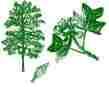 Tennessee has 8
Ecoregions and a wide variety of VEGETATION including many types of
trees. The State Tree is the
Tulip Poplar. Hickory Pine oak trees forest half the state. Tennessee has over 200
Big Tree Champions. The
Cherokee National Forest is open year-round and offers a variety of recreational opportunities. Tennesee has a
Vegetation Mapping Program. The
Nature Conservancy helps preserve the land in Tennessee.
Tennessee has 8
Ecoregions and a wide variety of VEGETATION including many types of
trees. The State Tree is the
Tulip Poplar. Hickory Pine oak trees forest half the state. Tennessee has over 200
Big Tree Champions. The
Cherokee National Forest is open year-round and offers a variety of recreational opportunities. Tennesee has a
Vegetation Mapping Program. The
Nature Conservancy helps preserve the land in Tennessee.
-
 Tennessee does not have any active
VOLCANOS but evidence of earlier volcanism is present in many areas.
Tennessee does not have any active
VOLCANOS but evidence of earlier volcanism is present in many areas.
 Tennessee has 8
 Tennessee does not have any active
-
 Tennessee has over 300
WATERFALLS. There are nearly a dozen
waterfalls in Monroe County.
Ruby Falls is the highest underground waterfall in the country open to the public.
Fall Creek Falls is a State Resort Park and is the highest waterfall east of the Rocky Mountains.
Tennessee has over 300
WATERFALLS. There are nearly a dozen
waterfalls in Monroe County.
Ruby Falls is the highest underground waterfall in the country open to the public.
Fall Creek Falls is a State Resort Park and is the highest waterfall east of the Rocky Mountains.
-
 Except in the mountains, Tennessee has temperate
WEATHER most of the year. Spells of cold weather and snow do not last very long. Cold weather and snow are common in winter in eastern Tennesee.
Tornodoes occasionally touch down in Tennessee.
Global Warming" could effect Tennessee.
NOAA provides activities for kids about weather.
Except in the mountains, Tennessee has temperate
WEATHER most of the year. Spells of cold weather and snow do not last very long. Cold weather and snow are common in winter in eastern Tennesee.
Tornodoes occasionally touch down in Tennessee.
Global Warming" could effect Tennessee.
NOAA provides activities for kids about weather.
-
 Tennessee has over 75 species of
WILDLIFE. The State Wild Animal is the
Raccoon. Tennesse has nearly 100
endangered animals and plants. The state has
Wildlife Management Areas. The
Appalachian Bear Center rehabilitates orphaned and injured bears and returns them to the wild. The
Tennessee Wildlife Resources Agency has a youth-only turkey hunt. The
U.S. Fish and Wildlife Service works with others to conserve, protect, and enhance, fish, wildlife, and plants and their habitats. Tennesse has 7
National Wildlife Refuges and 4
Wildlife Management Areas. The
Tennessee National Wildlife Refuge is a resting and feeding area for wintering waterfowl, migratory birds, and resident wildlife. Tennessee is part of the
Wildlife Protection Program.
Tennessee has over 75 species of
WILDLIFE. The State Wild Animal is the
Raccoon. Tennesse has nearly 100
endangered animals and plants. The state has
Wildlife Management Areas. The
Appalachian Bear Center rehabilitates orphaned and injured bears and returns them to the wild. The
Tennessee Wildlife Resources Agency has a youth-only turkey hunt. The
U.S. Fish and Wildlife Service works with others to conserve, protect, and enhance, fish, wildlife, and plants and their habitats. Tennesse has 7
National Wildlife Refuges and 4
Wildlife Management Areas. The
Tennessee National Wildlife Refuge is a resting and feeding area for wintering waterfowl, migratory birds, and resident wildlife. Tennessee is part of the
Wildlife Protection Program.
 Tennessee has over 300
 Except in the mountains, Tennessee has temperate
 Tennessee has over 75 species of
 XMAS is the common abbreviation for Christmas and it is celebrated in Tennessee much like the rest of the
country and around the
world. There are many
Christmas Tree Farms in Tennessee, and the
National Christmas Tree Association has information about Christmas trees and games &.
Y IS FOR YMCA & YOUTH HOSTEL
XMAS is the common abbreviation for Christmas and it is celebrated in Tennessee much like the rest of the
country and around the
world. There are many
Christmas Tree Farms in Tennessee, and the
National Christmas Tree Association has information about Christmas trees and games &.
Y IS FOR YMCA & YOUTH HOSTEL
-
 The
YMCA is an active organization in Tennessee. The
YMCA of Middle Tennessee has 20 centers. The
YMCA of East Tennessee has 5 branches.
The
YMCA is an active organization in Tennessee. The
YMCA of Middle Tennessee has 20 centers. The
YMCA of East Tennessee has 5 branches.
-
 Tennessee has
YOUTH HOSTELS in Erwin, Gatlingburg, Knoxville, and Memphis.
The state also has
Elder Hostels.
Tennessee has
YOUTH HOSTELS in Erwin, Gatlingburg, Knoxville, and Memphis.
The state also has
Elder Hostels.
 The
The
 Tennessee has
-
 ZIPCODES in Tennessee all start with the number 3. The use of
zipcodes began in 1963.
The postal code for Tennessee is TN.
ZIPCODES in Tennessee all start with the number 3. The use of
zipcodes began in 1963.
The postal code for Tennessee is TN.
-
 Tennessee is in the Central
Time ZONE and follows
Daylight Savings Time.The state is in the USDA
plant hardiness zone 6 and 7.
Tennessee is in the Central
Time ZONE and follows
Daylight Savings Time.The state is in the USDA
plant hardiness zone 6 and 7.
-
 Tennessee has 3
ZOOS and 2 internationally known aquariums.
Knoxville Zoological Park has one of the largest collections of big cats in the country. The
Memphis Zoo and Aquarium has a collection of More than 2,000 animals. There are several
Petting Zoos in Tennessee.
Deer Farm is an exotic petting zoo. The
Nashville Zoo includes a zoo, working farm, and a playground that is the largest community built playground in the world of its kind.
Tennessee has 3
ZOOS and 2 internationally known aquariums.
Knoxville Zoological Park has one of the largest collections of big cats in the country. The
Memphis Zoo and Aquarium has a collection of More than 2,000 animals. There are several
Petting Zoos in Tennessee.
Deer Farm is an exotic petting zoo. The
Nashville Zoo includes a zoo, working farm, and a playground that is the largest community built playground in the world of its kind.

 Tennessee is in the Central
 Tennessee has 3


©2003

