The American author is best known for his novel Moby Dick, which recounted his days on a whaling vessel. He also wrote the largely autobiographical Redburn, whcih details his experiences in Liverpool as a ships boy in 1839.
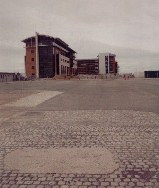
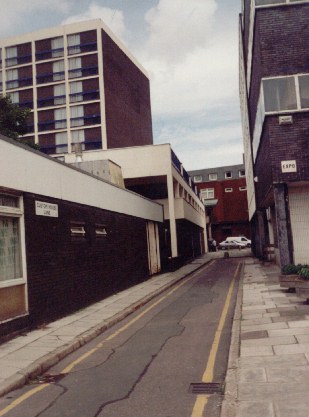
In those days, ships docked for months at a time and he had plenty of time to explore the city. After docking at Princes Dock, Melville took lodgings in Paradise Street, a favourite haunt of sailors due to its drinking dens and brothels. He regularly attended services at the Church of Our Lady and St Nicholas, which was commonly known as the 'sailors church'.
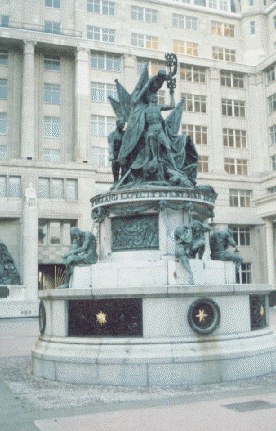
Using a guide book from his fathers visitors some twenty years earlier, he tried to explore around but found many of the sites described, such as the Old Dock, were no longer there. Also missing was Riddoughs Hotel in Lord Street, where his father stayed. He suffered much confusion, mistaking the statues depicting prisoners of war on the Nelson monument in Exchange Flags for African slaves.
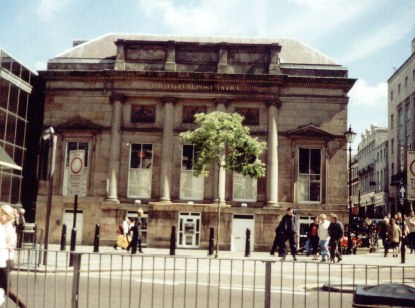
Melville also had the indignity of being thrown out of both the Lyceum reading club, as well as being witness to the aftermath of a murder, when he saw a Spanish sailor being carried away by police after he had killed a local woman in a oub on the 'dock road'. He also witnesses a mother and her children die of starvation in a cellar off Lancelots Hey.
Melville's months in Liverpool as a young sailor were not his last and he visited as a famous authorin 1856 and 1857, calling in on Nathaniel Hawthorne who was then U.S. consul to the city. |