|
|
|
|
|
|
|
|
|
|
|
|
|
|
|
|
|
|
|
|
|
|
|
|
|
|
|
|
|
|
|
|
|
|
|
|
|
|
|
|
|
|
|
|
|
|
|
|
|
|
|
|
|
|
|
|
|
|
|
|
|
|
|
|
|
|
|
|
|
|
|
|
|
|
|
|
|
|
|
|
|
|
|
|
|
|
|
|
|
|
|
|
|
|
|
|
|
|
 |
|
|
|
|
|
|
|
|
|
|
|
|
|
|
 |
|
|
|
|
|
|
|
|
|
|
|
|
|
|
|
|
|
|
|
|
|
|
|
|
|
|
|
|
|
|
|
|
|
|
|
|
|
|
|
|
|
|
| The beekeeper's job is truly unique, |
| For most of the work you see... Isn't performed by the keeper themself But by the tiny honeybee. She works round the clock, hardly stopping to rest, While the keeper waits patiently by--- Biding his time and checking the frames |
| Till her labors are ready to harvest. The honeybee's job is truly unique, Her mission in life is clear... To do what she must for the colony, We could all learn a lesson from her. |
| Alice Volkens |
|
|
|
|
|
|
|
|
|
|
|
|
|
|
|
|
|
|
|
|
|
|
|
|
|
|
|
|
 |
|
|
|
|
|
|
|
|
|
|
|
|
|
|
|
|
|
|
|
|
|
|
|
|
|
|
|
|
|
 |
|
|
|
|
|
|
|
|
|
|
|
|
|
|
|
|
|
|
|
|
|
|
|
|
|
|
|
|
 |
|
|
|
|
|
|
|
|
|
|
|
|
|
|
|
|
 |
|
|
|
|
|
|
|
|
|
|
|
|
|
|
|
|
|
|
|
|
|
|
|
|
|
|
|
|
|
|
|
|
|
|
|
|
|
|
|
|
|
|
|
|
|
|
|
|
|
|
|
|
|
|
|
|
|
|
|
|
|
|
|
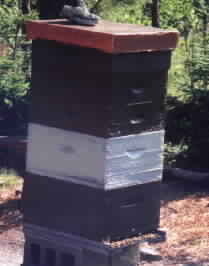
| This is one of my beehives in late August, 1998. The large boxes on the bottom are where the bees raise their young and store food for themselves for the winter. The smaller boxes are where I take the honey from. I got about 50 lbs. of honey from each box...(called a super) |
|
|
|
|
|
|
|
|
|
|
|
|
|
|
|
|
|
|
|
|
|
|
|
|
|
|
|
 |
|
|
|
|
|
|
|
|
|
|
|
|
 |
|
|
|
|
|
|
|
|
|
|
|
|
|
|
|
|
|
|
|
|
|
|
|
|
|
|
|
|
|
|
|
|
|
|
|
|
|
|
|
|
|
|
|
|
|
|
|
|
|
|
|
|
|
|
|
 |
|
|
|
|
|
|
|
|
|
|
|
|
|
|
|
|
|
|
|
|
|
|
|
|
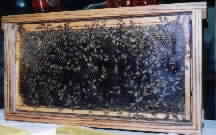
| This is a frame of honey bees and comb. |
|
|
|
|
|
|
|
|
|
|
|
|
|
 |
|
|
|
|
|
|
|
|
|
|
|
|
|
|
|
|
|
|
|
|
|
|
 |
|
|
|
|
|
|
|
|
|
|
|
|
|
|
|
|
|
|
|
|
|
|
|
|
|
|
|
|
|
|
|
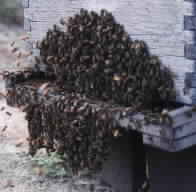
| In the summer... the bees get hot too, they all hang out on the front porch to cool off. |
|
|
|
|
|
|
|
|
|
|
|
|
 |
|
|
|
|
|
|
|
|
|
|
|
|
|
|
|
|
|
|
|
|
|
|
|
|
|
|
|
|
|
|
|
|
|
|
|
|
|
|
|
|
|
|
|
|
|
|
|
|
|
|
|
|
|
|
 |
|
|
|
|
|
|
|
|
|
|
|
|
|
|
|
|
|
|
|
|
|
|
|
|
|
|
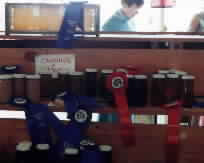
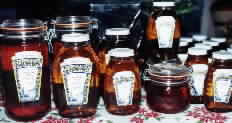
| Although only keeping bees for three seasons,,, I took second place in the monmouth county fair. |
|
|
|
|
|
|
|
|
|
|
 |
|
|
|
|
|
|
|
|
|
|
|
|
|
|
|
|
|
|
|
|
 |
|
|
|
|
|
|
|
|
|
|
|
|
|
|
|
|
|
|
|
|
|
|
|
|
|
|
|
|
|
|
|
|
|
|
|
| A very good year for honey... I harvested about 150 lbs. |
|
|
|
|
|
|
|
|
|
|
|
 |
|
|
|
|
|
|
|
|
|
|
|
|
|
|
|
|
|
|
|
|
|
|
|
|
|
|
|
|
|
|
|
 |
|
|
|
|
|
|
|
|
|
|
|
|
|
|
|
|
|
|
|
|
|
|
|
|
|
|
|
|
|
|
|
|
|
|
|
|
|
|
|
|
|
|
|
|
|
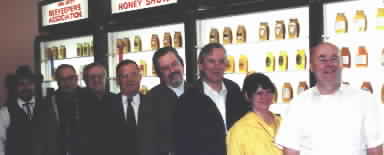
| Just a few of us beekeepers at the Rotunda Honey Show in Trenton. |
|
|
|
|
|
|
|
|
|
|
|
|
 |
|
|
|
|
|
|
|
|
|
|
|
|
|
|
|
|
|
|
|
|
|
|
|
|
|
|
|
|
|
|
|
|
|
|
|
|
|
|
|
|
|
|
|
|
|
|
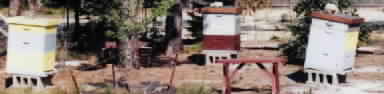
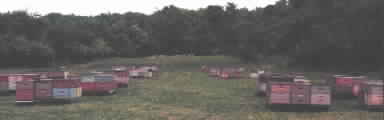
| Here is a picture of my beeyard, or Apiary |
|
|
|
|
|
|
|
|
|
|
|
|
|
|
|
|
|
|
|
|
|
|
|
|
|
|
|
 |
|
|
|
|
|
|
|
|
|
|
|
|
|
|
|
|
|
 |
|
|
|
|
|
|
|
|
|
|
|
|
|
|
|
|
|
|
|
|
|
|
|
|
|
|
|
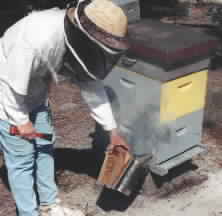
| Before beginning work in the hive, first I use a smoker, to let the bees know I'm coming. The smoke distracts the bees and makes it easier to work with them. |
|
|
|
|
|
|
|
|
|
|
|
|
|
|
|
|
|
|
|
|
|
|
|
|
|
|
|
|
|
|
|
|
|
|
|
|
|
|
|
|
|
|
|
|
|
|
|
|
|
|
|
|
|
|
|
|
|
|
|
|
|
|
|
|
|
|
|
 |
|
|
|
|
|
|
|
|
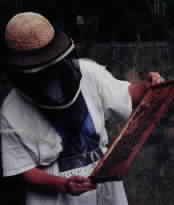
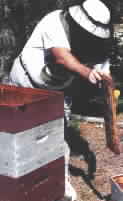
| Once the bees have been distracted by the smoke, I can then start inspecting the frames. When doing this, I look for honey, pollen, and to check for brood and eggs, as well as anything that might be wrong, such as parasites or diseases. |
|
|
|
|
|
|
|
|
|
|
|
|
|
|
|
 |
|
|
|
|
|
|
|
|
|
|
| Here, Tom helps with taking the honey from the bees. We remove each frame and shake the bees off, then use a very fine brush to remove the rest... then very quickly put the frame in an empty super and put a lid on it, so that no bees can get to it. Once that is all done, we carry the super to the house to extract the honey. |
|
|
|
|
|
|
|
|
|
|
|
|
|
|
|
|
|
|
|
|
|
|
|
|
|
|
|
|
|
|
|
|
|
|
|
|
|
|
|
|
|
|
|
|
|
|
|
|
|
|
|
|
|
|
|
|
|
|
|
|
|
|
|
 |
|
|
|
|
|
|
|
|
|
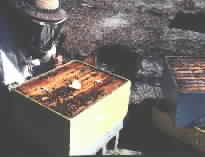
| With the honey now off of the hives, we can place the medications inside, to help prevent parasites and diseases. |
|
|
|
|
|
|
|
|
|
|
|
|
|
|
|
|
|
|
|
|
|
|
|
|
|
|
 |
|
|
|
|
|
|
|
|
|
|
|
|
|
|
|
|
|
|
|
|
|
|
|
|
|
|
|
|
|
|
|
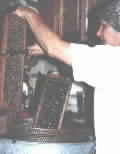
| Using a very sharp knife, we then cut the cappings off of the honeycomb. |
|
|
|
|
|
|
|
|
|
|
|
|
|
|
|
|
|
|
|
|
|
|
|
|
|
|
|
|
|
|
|
|
|
|
|
|
|
|
|
|
|
|
|
|
|
|
|
|
|
|
|
|
|
|
|
|
|
|
|
|
|
|
|
|
|
|
 |
|
|
|
|
|
|
|
|
|
|
|
|
|
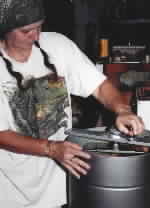
| The frames then go into the extractor. Mine holds only two frames at a time. The frames are spun around in the extractor until most of the honey is removed. The honey drains from the bottom, and into a bucket, and from there it is put into the jars. |
|
|
|
|
|
|
|
|
|
|
|
 |
|
|
|
|
|
|
|
|
|
|
|
|
|
|
|
|
|
|
 |
|
|
|
|
|
|
|
|
|
|
|
|
|
|
|
|
|
|
|
|
|
|
|
|
|
|
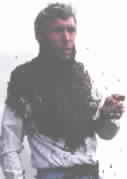
| Fellow beekeeper Bob, dons a beebeard at our spring meeting. |
| Bob is a commercial beekeeper and travels from state to state with his bees, pollinating crops. |
|
|
|
|
|
|
|
|
|
|
|
|
|
|
|
|
|
|
|
|
|
|
|
|
|
|
|
|
|
|
|
|
|
|
|
|
|
|
|
|
|
|
|
|
|
|
|
|
|
|
|
|
|
|
|
|
|
|
|
|
|
|
|
|
|
|
|
|
 |
|
|
|
|
|
|
|
|
|
|
|
|
|
|
|
|
|
|
|
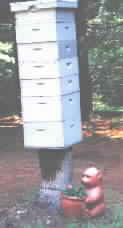
| Another beekeeper (also named Bob) found a bee tree. He cut it down and brought it home to make this very interesting conversation piece... The bees come and go through the tree, but the honey can be easily taken. |
|
|
|
|
|
|
|
|
|
|
|
|
|
|
|
|
|
|
|
|
|
|
|
|
|
|
|
|
|
|
|
|
|
 |
|
|
|
|
|
|
|
|
|
|
|
|
|
|
|
|
|
|
|
|
|
|
|
|
|
|
|
|
|
|
|
|
|
|
|
|
|
|
|
|
|
|
|
| There is nothing as tranquil as being in a beeyard on a warm spring day. |
|
|
|
|
|
|
|
|
|
 |
|
|
|
|
|
|
|
|
|
|
|
|
|
|
|
|
|
|
|
|
| INTERESTING HONEYBEE FACTS |
|
 |
The queen bee is the mother to all of the bees in the colony. Her only purpose is to lay eggs, which can be as many as 2,000 a day...1 1/2 times her own body weight. She leaves the hive only to mate, with about 15 drones. The queen can live for 3 to 4 years. If the worker bees feel that she is not laying enough eggs to support the colony, they will replace her. |
 |
The drone is the male member of the colony. His only purpose in life is to mate with a young virgin queen...after which, he dies. That is the only contribution that he makes to the colony. He doesn't feed himself, or clean up after himself. He has no stinger, so he can't even help with defending the hive. In the fall, the worker's turn all of the drones out to die. |
 |
The worker bee can live up to six weeks in the summer. The first three weeks, she spends inside the hive tending to the young, cleaning the hive, guarding the colony and producing wax. The last three weeks she spends outside the hive, foraging for nectar and pollen. The reason that the workers are so short lived in the summer is that they literally work themselves to death. |
 |
The temperature in the brood chamber is maintained at 93 degrees at all times. |
 |
honeybees do not hibernate, they are active all year round. They stay warm in the winter by clustering together. |
 |
Honeybees pollinate about 3 million acres of U.S. crops, over 9.7 billion dollars worth. |
 |
Honeybees swarm when the original colony becomes overcrowded. |
 |
Honeybees fly at 15 mph, stroking their wings 11,000 times per minute. |
 |
They will travel about 5 miles for a nectar source, visiting from 50 to 100 flowers per trip. Altogether they have to tap 2 million flowers to produce just 1 pound of honey. |
 |
Honey is produced by the workers fanning the nectar until the moisture content is reduced to below 18 %. |
|
|
|
|
 |
|
|
|
|
|
|
|
|
|
|
|
|
|
|
|
|
|
|
|
|
|
|
|
|
|
|
|
|
|
|
|
|
|
|
|
|
|
|
|
|
|
|
|
|
|
|
|
|
|
|
|
|
 |
How to start Beekeeping http://www.ehow.com/ehows/ehow00001643.asp |
 |
Beekeepers Homepage http://ourworld.compuserve.com/homepages/beekeeping. |
 |
The Beehive http://www.xensei.com/users/alwine/ |
 |
Beeworks Homepage http://www.beeworks.com/ |
 |
CJBA http://www.angelfire.com/cgi-bin/admem?catagory= |
 |
BeesRme Homepage http://members.aol.com/beesrme/life1/index.htm |
 |
|
|
|
|
|
|
|
|
 |
|
|
|
|
|
|
|
|
|
|
|
|
|
|
|
|
|
|
|
|
|
|
|
|
|
|
|
|
|
|
|
| I hope that you enjoyed this page, as well as the other pages in my site. If you have any questions or comments please email me... address is on the homepage |
|
|
|
|
|
|
|
|
|
|
|
|
|
|
|
|
|
|
|
|
|
|
|
|
|
|
|
|
|
|
|
|
|
|
 |
|
|
|
|
|
|
|
|
|
|
|
|
|
|
|
|
|
|
|
|
|
|
|
|
|
|
|
|
|
|
|
|
|
|
|
|
|
|
|
|
|
|
|
|
|
|
|
|
|
|
|
|
|
|
|
 |
|
|
|
|
|
|
|
|
|
|
|
|
|
|
|
|
|
|
|
|
|
|
|
|
|
|
|
|
|
|
|
|
|
|
|
|
|
|
|
|
|
|
|
|
|
|
|
|
|
|
|
|
|
|
|
|
|
|
|
 |
|
|
|
|
|
|
|
|
|
|
|
|
|
|
|
|
|
|
|
|
|
|
|
|
|
|
|
|
|
|
|
|
|
|
|
|
|
|
|
|

