
FEBRUARY 2009. Blog Closing Date: february 13th at 4 p.m.
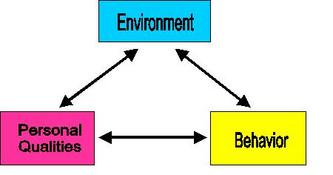
BLOG DISCUSSION 1:
Please refer to Internet sources, research on the topic from the diagram, and post a comment on it:
"Connection between Motivation and Teaching practice". Give specific examples.
Be sure to refer the authors and titles from the sources consulted.
Don't forget to wtite your name and ID
Please refer to Internet sources, research on the topic from the diagram, and post a comment on it:
"Connection between Motivation and Teaching practice". Give specific examples.
Be sure to refer the authors and titles from the sources consulted.
Don't forget to wtite your name and ID
2007-05-02 21:40:46 GMT
Comments (23 total)
Author:Anonymous
this work is about creative teaching produce a learning motivation and give to students a maximize effectiveness where the meaningful learning stays.
I think to be creative teacher is one of the strategies which can motive students to learn, when we apply and recognize the intrinsic motivations has been called the learning can be meaningful.
as for example a teacher who is teaching English spelling class for beginners, he gave the class instructions for next class and then when the day arrives, he discusses about legality or something else to introduce the topic, then every student assume their own role into the problem and before the class finishes the students have to have clear on mind what solutions, resolving thing they can propose for the next class.
all motivations come from outside stimuli and elicit responses, and then the process of learning is more complex and constructive.
We have to prepare the environment in order to give the students motivation this means intrinsic or extrinsic which drives students to do somthing for expect som tangible rewards or not.
Guadalupe Armas
--guadlalupe
<mailto:guarmasoc@yahoo..com>
2009-02-11 03:06:05 GMT
I think to be creative teacher is one of the strategies which can motive students to learn, when we apply and recognize the intrinsic motivations has been called the learning can be meaningful.
as for example a teacher who is teaching English spelling class for beginners, he gave the class instructions for next class and then when the day arrives, he discusses about legality or something else to introduce the topic, then every student assume their own role into the problem and before the class finishes the students have to have clear on mind what solutions, resolving thing they can propose for the next class.
all motivations come from outside stimuli and elicit responses, and then the process of learning is more complex and constructive.
We have to prepare the environment in order to give the students motivation this means intrinsic or extrinsic which drives students to do somthing for expect som tangible rewards or not.
Guadalupe Armas
--guadlalupe
<mailto:guarmasoc@yahoo..com>
Author:Anonymous
this work is about creative teaching produce a learning motivation and give to students a maximize effectiveness where the meaningful learning stays.
I think to be creative teacher is one of the strategies which can motive students to learn, when we apply and recognize the intrinsic motivations has been called the learning can be meaningful.
as for example a teacher who is teaching English spelling class for beginners, he gave the class instructions for next class and then when the day arrives, he discusses about legality or something else to introduce the topic, then every student assume their own role into the problem and before the class finishes the students have to have clear on mind what solutions, resolving thing they can propose for the next class.
all motivations come from outside stimuli and elicit responses, and then the process of learning is more complex and constructive.
We have to prepare the environment in order to give the students motivation this means intrinsic or extrinsic which drives students to do somthing for expect som tangible rewards or not.
Guadalupe Armas
--guadlalupe
<mailto:guarmasoc@yahoo..com>
2009-02-11 03:06:22 GMT
I think to be creative teacher is one of the strategies which can motive students to learn, when we apply and recognize the intrinsic motivations has been called the learning can be meaningful.
as for example a teacher who is teaching English spelling class for beginners, he gave the class instructions for next class and then when the day arrives, he discusses about legality or something else to introduce the topic, then every student assume their own role into the problem and before the class finishes the students have to have clear on mind what solutions, resolving thing they can propose for the next class.
all motivations come from outside stimuli and elicit responses, and then the process of learning is more complex and constructive.
We have to prepare the environment in order to give the students motivation this means intrinsic or extrinsic which drives students to do somthing for expect som tangible rewards or not.
Guadalupe Armas
--guadlalupe
<mailto:guarmasoc@yahoo..com>
Author:Anonymous
This work is about creative teaching produce a learning motivation and give to students a maximize effectiveness where the meaningful learning stays.
I think to be creative teacher is one of the strategies which can motive students to learn, when we apply and recognize the intrinsic motivations has been called the learning can be meaningful.
as for example a teacher who is teaching English spelling class for beginners, he gave the class instructions for next class and then when the day arrives, he discusses about legality or something else to introduce the topic, then every student assume their own role into the problem and before the class finishes the students have to have clear on mind what solutions, resolving thing they can propose for the next class.
All motivations come from outside stimuli and elicit responses, and then the process of learning is more complex and constructive.
We have to prepare the environment in order to give the students motivation this means intrinsic or extrinsic which drives students to do something for expect some tangible rewards or not.
Guadalupe Armas carne 6076 93 10575.
Sources wpi. Educ/Academic Collaborative Center
--guadalupe
2009-02-11 03:14:08 GMT
I think to be creative teacher is one of the strategies which can motive students to learn, when we apply and recognize the intrinsic motivations has been called the learning can be meaningful.
as for example a teacher who is teaching English spelling class for beginners, he gave the class instructions for next class and then when the day arrives, he discusses about legality or something else to introduce the topic, then every student assume their own role into the problem and before the class finishes the students have to have clear on mind what solutions, resolving thing they can propose for the next class.
All motivations come from outside stimuli and elicit responses, and then the process of learning is more complex and constructive.
We have to prepare the environment in order to give the students motivation this means intrinsic or extrinsic which drives students to do something for expect some tangible rewards or not.
Guadalupe Armas carne 6076 93 10575.
Sources wpi. Educ/Academic Collaborative Center
--guadalupe
Author:Anonymous
This work is about creative teaching produce a learning motivation and give to students a maximize effectiveness where the meaningful learning stays.
I think to be creative teacher is one of the strategies which can motive students to learn, when we apply and recognize the intrinsic motivations has been called the learning can be meaningful.
as for example a teacher who is teaching English spelling class for beginners, he gave the class instructions for next class and then when the day arrives, he discusses about legality or something else to introduce the topic, then every student assume their own role into the problem and before the class finishes the students have to have clear on mind what solutions, resolving thing they can propose for the next class.
All motivations come from outside stimuli and elicit responses, and then the process of learning is more complex and constructive.
We have to prepare the environment in order to give the students motivation this means intrinsic or extrinsic which drives students to do something for expect some tangible rewards or not.
Guadalupe Armas carne 6076 93 10575.
Sources wpi. Educ/Academic Collaborative Center
--guadalupe
2009-02-11 03:14:44 GMT
I think to be creative teacher is one of the strategies which can motive students to learn, when we apply and recognize the intrinsic motivations has been called the learning can be meaningful.
as for example a teacher who is teaching English spelling class for beginners, he gave the class instructions for next class and then when the day arrives, he discusses about legality or something else to introduce the topic, then every student assume their own role into the problem and before the class finishes the students have to have clear on mind what solutions, resolving thing they can propose for the next class.
All motivations come from outside stimuli and elicit responses, and then the process of learning is more complex and constructive.
We have to prepare the environment in order to give the students motivation this means intrinsic or extrinsic which drives students to do something for expect some tangible rewards or not.
Guadalupe Armas carne 6076 93 10575.
Sources wpi. Educ/Academic Collaborative Center
--guadalupe
Author:Anonymous
A performer should be able to make a concrete connection between his/her personal experiences and feelings and the affection of his/her students. He/she plays an important character on stage.
This is a very true challenge of acting and finding the courage to expose pieces of our own life through the eyes of a fictional being, in front of an audience, (our students). Students afford the opportunity to discover and explore connections between the work in the classroom and prior experiences, emotions, and learning about daily lives; finding the learning-teaching process more valuable and accessible.
Since software procedures are more every day, the learning take place in the life of the teacher and students by shifting a resource-based learning in the students’ laboratories and schools. A significant number of students are getting better in performance since the connection of this process.
A real work of the classroom is most effective and motivational for students when it is the real work of professional and feeling people at the same time. It is evaluated when students have to interact and get the best idea or the best impression not only from the class but also from the teacher and classmates.
CECILIA BALCARCEL 6076-04-14490
--CECILIA BALCARCEL
2009-02-11 03:31:46 GMT
This is a very true challenge of acting and finding the courage to expose pieces of our own life through the eyes of a fictional being, in front of an audience, (our students). Students afford the opportunity to discover and explore connections between the work in the classroom and prior experiences, emotions, and learning about daily lives; finding the learning-teaching process more valuable and accessible.
Since software procedures are more every day, the learning take place in the life of the teacher and students by shifting a resource-based learning in the students’ laboratories and schools. A significant number of students are getting better in performance since the connection of this process.
A real work of the classroom is most effective and motivational for students when it is the real work of professional and feeling people at the same time. It is evaluated when students have to interact and get the best idea or the best impression not only from the class but also from the teacher and classmates.
CECILIA BALCARCEL 6076-04-14490
--CECILIA BALCARCEL
Author:Anonymous
A performer should be able to make a concrete connection between his/her personal experiences and feelings and the affection of his/her students. He/she plays an important character on stage.
This is a very true challenge of acting and finding the courage to expose pieces of our own life through the eyes of a fictional being, in front of an audience, (our students). Students afford the opportunity to discover and explore connections between the work in the classroom and prior experiences, emotions, and learning about daily lives; finding the learning-teaching process more valuable and accessible.
Since software procedures are more every day, the learning take place in the life of the teacher and students by shifting a resource-based learning in the students’ laboratories and schools. A significant number of students are getting better in performance since the connection of this process.
A real work of the classroom is most effective and motivational for students when it is the real work of professional and feeling people at the same time. It is evaluated when students have to interact and get the best idea or the best impression not only from the class but also from the teacher and classmates.
CECILIA BALCARCEL 6076-04-14490
SOURCE: PHISOLOPHY OF TEACHING, DEPTS.WASHINGTON.EDU
--CECILIA BALCARCEL
<mailto:cecybalnavy@hotmail.com>
2009-02-11 03:40:19 GMT
This is a very true challenge of acting and finding the courage to expose pieces of our own life through the eyes of a fictional being, in front of an audience, (our students). Students afford the opportunity to discover and explore connections between the work in the classroom and prior experiences, emotions, and learning about daily lives; finding the learning-teaching process more valuable and accessible.
Since software procedures are more every day, the learning take place in the life of the teacher and students by shifting a resource-based learning in the students’ laboratories and schools. A significant number of students are getting better in performance since the connection of this process.
A real work of the classroom is most effective and motivational for students when it is the real work of professional and feeling people at the same time. It is evaluated when students have to interact and get the best idea or the best impression not only from the class but also from the teacher and classmates.
CECILIA BALCARCEL 6076-04-14490
SOURCE: PHISOLOPHY OF TEACHING, DEPTS.WASHINGTON.EDU
--CECILIA BALCARCEL
<mailto:cecybalnavy@hotmail.com>
Author:Anonymous
The environment which means social-cultural aspects affect motivation. There are aspects such as furniture, a comfortable chair and desk, light, rest, schedule, distraction tendencies, group preferences, self-estim, among others that affect motivation in class.
The teacher himself has to be perfectly motivated in order to transmit that feeling and security to his students and to be able to facilitate and promote learning experiences for the student. That ability to make different aspects and context work together to call students attention to finally get the student to want to learn, that is a teacher´s art and an attitude from inside to outside. The way the teacher applies the principles and laws of learning (effect, transference, self-estim, innovative, priority, multisensorial, intensity, exercise) and bring what he knows and continues to know in class, will become in preparing successful students and successful citizens.
There are a variety of factors that influence motivation such as knowledge, learning in a context, the wish to learn, know how to learn and in a certain way be able to have learning experiences even from his students. The teacher has to be intelligent and strong enough to motivate personal qualities of his students, to get the best of each one, because there are many people who does not know that he or she has an ability. Everybody has at least one.
The teacher has to be aware of new aspects to be improved in his classroom development and constantly evaluate his procedures and techniques applied to achieve educational goals. In doing this, the teacher will have to eventually work with pilot groups that should preferably be small groups of students.
As the teacher plays a valuable motivational role in classroom, not only because he can be an example for students, but also help through class environment, to make students sensitive towards learning, be comprehensive, enhance personal learning styles focusing on strengthen and weaken areas, accept different student´s roles and cultures.
Also the student has to posses an unbreakable positive attitude towards learning and life itself, and learn that problems are life lessons that have to be completed to master the life process. Even though there are cultural, environmental, personal, and psychological barriers (which are the main obstacles in everyone´s goals), people have to find inner motivation to problem-solving of any kind; knowing that learning means a constant evolution in the way people think, feel, and act.
SOURCE: From works about motivation in classroom written by: 1) Eduardo García, Pedro Gallo Alvaro, 2) Marío Díaz y 3) Dr. Peré Marqués Graells.
Patricia Albizures de Quiróz
ID 6076 084077
--Patricia de Quiróz
2009-02-11 22:01:31 GMT
The teacher himself has to be perfectly motivated in order to transmit that feeling and security to his students and to be able to facilitate and promote learning experiences for the student. That ability to make different aspects and context work together to call students attention to finally get the student to want to learn, that is a teacher´s art and an attitude from inside to outside. The way the teacher applies the principles and laws of learning (effect, transference, self-estim, innovative, priority, multisensorial, intensity, exercise) and bring what he knows and continues to know in class, will become in preparing successful students and successful citizens.
There are a variety of factors that influence motivation such as knowledge, learning in a context, the wish to learn, know how to learn and in a certain way be able to have learning experiences even from his students. The teacher has to be intelligent and strong enough to motivate personal qualities of his students, to get the best of each one, because there are many people who does not know that he or she has an ability. Everybody has at least one.
The teacher has to be aware of new aspects to be improved in his classroom development and constantly evaluate his procedures and techniques applied to achieve educational goals. In doing this, the teacher will have to eventually work with pilot groups that should preferably be small groups of students.
As the teacher plays a valuable motivational role in classroom, not only because he can be an example for students, but also help through class environment, to make students sensitive towards learning, be comprehensive, enhance personal learning styles focusing on strengthen and weaken areas, accept different student´s roles and cultures.
Also the student has to posses an unbreakable positive attitude towards learning and life itself, and learn that problems are life lessons that have to be completed to master the life process. Even though there are cultural, environmental, personal, and psychological barriers (which are the main obstacles in everyone´s goals), people have to find inner motivation to problem-solving of any kind; knowing that learning means a constant evolution in the way people think, feel, and act.
SOURCE: From works about motivation in classroom written by: 1) Eduardo García, Pedro Gallo Alvaro, 2) Marío Díaz y 3) Dr. Peré Marqués Graells.
Patricia Albizures de Quiróz
ID 6076 084077
--Patricia de Quiróz
Author:Anonymous
ENVIRONMENT, PERSONAL QUALITIES AND BEHAVIOUR
According to Jennifer Ehrle Macoomber`s article published in 1999, behavior always occurs within an environmental context in which any of the following factors may act as possible triggers:
Physical settings:
noise, crowding, temperature and classroom organization
Social settings:
Interaction patterns in or around the students, people present or absent, substitute teacher, and change in group.
Instructional strategies curriculum and activities:
Mismatch between learner accommodation needs and instructional components.
Social interaction:
social communication and provision of necessary supports.
Scheduling factors:
Transitions, time on task, and time to complete activities
Teachers should be aware if something is missing in the environment. Probably , rules, expectations, alternatives or consequences are not yet clear to the student, Task structuring and positive reassurance have not yet been provided to address anxiety issues or a mentor relationship with a supportive adult at school has not yet been provided.
Student`s behavior could depends also on the noise level, seating arrangement, size of the desk, interactions going around students, response of peers to misbehavior etc.
We as teachers must ask to ourselves about the environmental features which support the problem behavior, because they will determine student’s behavior and the development of personal qualities.
"Connection between Motivation and Teaching
practice"
The connection between motivation and teaching is based on active learning principles , which should be designed to create a dynamic and effective learning environment where students’ motivation is increased.
Teachers can motivate students by:
• Communicating clearly.
• Setting tasks that encourage active engagement with the material.
• Creating situations that allow students to make and correct mistakes without undue penalty.
• Displaying enthusiasm for the subject matter.
Negative motivation can be turned into positive motivation if teachers can recognize what motivates students and create a learning environment that supports these motivational factors. For example, individuals learn best when they see themselves engaging in learning for their own intrinsic reasons, but when learning is enjoyable, it results in more learning. The following are four perspectives on intrinsic motivation: competence, curiosity, autonomy and internalized motivation.
We as teachers can connect teaching and motivation, creating the following learning environments:
1. Help students set a goal and action plan for learning.
2. Help students overcome a passive approach to the subject.
3. Help students increase their sense of competence.
We as teachers may appreciate the student who is intrinsically motivated to learn, but we should not be sure that all of our students will posses that motivation. The following suggestions will help us to relate teaching with motivation.
1. Use behavioral techniques to help students exert themselves and work toward remote goals.
2. Make sure that students know what they are to do, how to proceed, and how to determine when they have achieved goals.
3. Do everything possible to satisfy deficiency needs
4. Enhance the attractions and minimize the dangers of growth choices.
6. Try to encourage the development of need achievement, self-confidence, and self-direction in students who need these qualities.
a. Use achievement-motivation training techniques.
b. Use cooperative-learning methods.
7. Try to make learning interesting by emphasizing activity, investigation, adventure, social interaction, and usefulness.
SOURCE:
1. Elsie Chan
Professor
Faculty of Human and Social Development
University of Victoria, Canada (2004)
2. Chapter 11 of Biehler/Snowman, PSYCHOLOGY APPLIED TO TEACHING, 8/e, Houghton Mifflin, 1997.
3. Jennifer Ehrle Macoomber`s article published in 1999
SARA CHINCHILLA
6076 05 80
--SARA CHINCHILLA
<mailto:sarah_2133@yahoo.com>
2009-02-11 23:43:20 GMT
According to Jennifer Ehrle Macoomber`s article published in 1999, behavior always occurs within an environmental context in which any of the following factors may act as possible triggers:
Physical settings:
noise, crowding, temperature and classroom organization
Social settings:
Interaction patterns in or around the students, people present or absent, substitute teacher, and change in group.
Instructional strategies curriculum and activities:
Mismatch between learner accommodation needs and instructional components.
Social interaction:
social communication and provision of necessary supports.
Scheduling factors:
Transitions, time on task, and time to complete activities
Teachers should be aware if something is missing in the environment. Probably , rules, expectations, alternatives or consequences are not yet clear to the student, Task structuring and positive reassurance have not yet been provided to address anxiety issues or a mentor relationship with a supportive adult at school has not yet been provided.
Student`s behavior could depends also on the noise level, seating arrangement, size of the desk, interactions going around students, response of peers to misbehavior etc.
We as teachers must ask to ourselves about the environmental features which support the problem behavior, because they will determine student’s behavior and the development of personal qualities.
"Connection between Motivation and Teaching
practice"
The connection between motivation and teaching is based on active learning principles , which should be designed to create a dynamic and effective learning environment where students’ motivation is increased.
Teachers can motivate students by:
• Communicating clearly.
• Setting tasks that encourage active engagement with the material.
• Creating situations that allow students to make and correct mistakes without undue penalty.
• Displaying enthusiasm for the subject matter.
Negative motivation can be turned into positive motivation if teachers can recognize what motivates students and create a learning environment that supports these motivational factors. For example, individuals learn best when they see themselves engaging in learning for their own intrinsic reasons, but when learning is enjoyable, it results in more learning. The following are four perspectives on intrinsic motivation: competence, curiosity, autonomy and internalized motivation.
We as teachers can connect teaching and motivation, creating the following learning environments:
1. Help students set a goal and action plan for learning.
2. Help students overcome a passive approach to the subject.
3. Help students increase their sense of competence.
We as teachers may appreciate the student who is intrinsically motivated to learn, but we should not be sure that all of our students will posses that motivation. The following suggestions will help us to relate teaching with motivation.
1. Use behavioral techniques to help students exert themselves and work toward remote goals.
2. Make sure that students know what they are to do, how to proceed, and how to determine when they have achieved goals.
3. Do everything possible to satisfy deficiency needs
4. Enhance the attractions and minimize the dangers of growth choices.
6. Try to encourage the development of need achievement, self-confidence, and self-direction in students who need these qualities.
a. Use achievement-motivation training techniques.
b. Use cooperative-learning methods.
7. Try to make learning interesting by emphasizing activity, investigation, adventure, social interaction, and usefulness.
SOURCE:
1. Elsie Chan
Professor
Faculty of Human and Social Development
University of Victoria, Canada (2004)
2. Chapter 11 of Biehler/Snowman, PSYCHOLOGY APPLIED TO TEACHING, 8/e, Houghton Mifflin, 1997.
3. Jennifer Ehrle Macoomber`s article published in 1999
SARA CHINCHILLA
6076 05 80
--SARA CHINCHILLA
<mailto:sarah_2133@yahoo.com>
Author:Anonymous
This contains the basic theory about motivation and learning. It is also important to connect motivation and creative teaching and meaningful learning together, because there is no perfect theory and each teaching theory or strategy has its own benefit. I think creative teaching is one of the strategies which can motivate students to learn. Once students` intrinsic motivation has been summoned, learning can be meaningful. I believe that true learning appears only when learners are learning by heart. It is important to focus that meaningful learning is based on creative teaching which maximizes effectiveness and motivates students in the learning process. In the picture below we can see how motivation and teaching practice are connected.
Creative teaching
Learning motivation Meaningful learning
Here we can see an example of how motivation is linked or connected to teaching practice in order students learn in real life situation that make them to learn by heart.
Example:
Mrs. Sara has been teaching English conversation classes at the beginning level for many years. This year she was assigned to teach in the advanced level class. Instead of drill conversation practices, Mrs. Sara gave the class instructions for next time. She started, “Next Monday, we are going to discuss hunting legality. E will have a mock trial which contains judges, attorney, and witness and so on. Everyone should take a role in the mock trial”. Before the end of the class, each student had taken one of the roles. During the next week, students had to find some helpful evidence, such as statistics and resources for their position either for or against hunting. Though it was a tough assignment, after finishing the Monday class, students found it interesting and better than just the ordinary drill conversation practices. During the activity, they learned different aspects about hunting legality and the skills necessary to negotiate and question others. This topic became relevant as they wee able to see that such skills are helpful in their daily lives.
Source:
Brooks, D. W, & Shell, D S. (2006). Working Memory. Motivation and teacher- Initiated learning from. http//dwbrr.unl.edu/iTech/TEACH859/Read/Motivation Submitted. pdf
Lisbeth Ruiz Arriaza
6076- 02- 3915
2009-02-12 03:04:03 GMT
Creative teaching
Learning motivation Meaningful learning
Here we can see an example of how motivation is linked or connected to teaching practice in order students learn in real life situation that make them to learn by heart.
Example:
Mrs. Sara has been teaching English conversation classes at the beginning level for many years. This year she was assigned to teach in the advanced level class. Instead of drill conversation practices, Mrs. Sara gave the class instructions for next time. She started, “Next Monday, we are going to discuss hunting legality. E will have a mock trial which contains judges, attorney, and witness and so on. Everyone should take a role in the mock trial”. Before the end of the class, each student had taken one of the roles. During the next week, students had to find some helpful evidence, such as statistics and resources for their position either for or against hunting. Though it was a tough assignment, after finishing the Monday class, students found it interesting and better than just the ordinary drill conversation practices. During the activity, they learned different aspects about hunting legality and the skills necessary to negotiate and question others. This topic became relevant as they wee able to see that such skills are helpful in their daily lives.
Source:
Brooks, D. W, & Shell, D S. (2006). Working Memory. Motivation and teacher- Initiated learning from. http//dwbrr.unl.edu/iTech/TEACH859/Read/Motivation Submitted. pdf
Lisbeth Ruiz Arriaza
6076- 02- 3915
Author:Anonymous
According to researches, motivation is an important aspect for learners to achieve the goals at its maximun, but it is also truth that not always learners are self-motivated, and that's when it comes the importance of the different actions the instructor can use in order to motivate their students to learn. Some of those actions are:
1.Give frequent, early, positive feedback that supports students' beliefs that they can do well.
2.Ensure opportunities for students’ success by assigning tasks that are neither too easy nor too difficult.
3.Help students find personal meaning and value in the material.
4.Create an atmosphere that is open and positive.
5.Help students feel that they are valued members of a learning community. (Lowman, 1984; Lucas, 1990; Weinert and Kluwe, 1987; Bligh, 1971)
But it is also important say that most students are motivated when they can see that the class they are having it has been well prepared and that the instructor is also motivated, we can`t expect that learners are motivated if the instructor is not. The following strategies can be followed to motivate or increase motivation in ss':
1.Capitalize on students' existing needs: Ss' might be already motivated we only need to focus in their needs in order to increase their motivation.
2. Make students active participants in learning: this one is particularly elemental, since we know that learners learn best when they do or apply the knowledge.
To end this topic it is important to emphazise in the fact that it doesn't matter the reasons why learners are in a course, and whether they are self-motivated or not, if when they come to the class they find a not-motivated teacher that can be more harmful than having a not-prepared teacher, because you can always learn new things and sometimes even improvise, but to motivate a group with the teacher not being motivated, that is a hard job.
http://teaching.berkeley.edu/bgd/motivate.html
--Melissa Concogua 6076 02 330
<mailto:melissaconcogua@hotmail.com>
2009-02-12 04:34:16 GMT
1.Give frequent, early, positive feedback that supports students' beliefs that they can do well.
2.Ensure opportunities for students’ success by assigning tasks that are neither too easy nor too difficult.
3.Help students find personal meaning and value in the material.
4.Create an atmosphere that is open and positive.
5.Help students feel that they are valued members of a learning community. (Lowman, 1984; Lucas, 1990; Weinert and Kluwe, 1987; Bligh, 1971)
But it is also important say that most students are motivated when they can see that the class they are having it has been well prepared and that the instructor is also motivated, we can`t expect that learners are motivated if the instructor is not. The following strategies can be followed to motivate or increase motivation in ss':
1.Capitalize on students' existing needs: Ss' might be already motivated we only need to focus in their needs in order to increase their motivation.
2. Make students active participants in learning: this one is particularly elemental, since we know that learners learn best when they do or apply the knowledge.
To end this topic it is important to emphazise in the fact that it doesn't matter the reasons why learners are in a course, and whether they are self-motivated or not, if when they come to the class they find a not-motivated teacher that can be more harmful than having a not-prepared teacher, because you can always learn new things and sometimes even improvise, but to motivate a group with the teacher not being motivated, that is a hard job.
http://teaching.berkeley.edu/bgd/motivate.html
--Melissa Concogua 6076 02 330
<mailto:melissaconcogua@hotmail.com>
Author:Anonymous
According to researches, motivation is an important aspect for learners to achieve the goals at its maximun, but it is also truth that not always learners are self-motivated, and that's when it comes the importance of the different actions the instructor can use in order to motivate their students to learn. Some of those actions are:
1.Give frequent, early, positive feedback that supports students' beliefs that they can do well.
2.Ensure opportunities for students’ success by assigning tasks that are neither too easy nor too difficult.
3.Help students find personal meaning and value in the material.
4.Create an atmosphere that is open and positive.
5.Help students feel that they are valued members of a learning community. (Lowman, 1984; Lucas, 1990; Weinert and Kluwe, 1987; Bligh, 1971)
But it is also important say that most students are motivated when they can see that the class they are having it has been well prepared and that the instructor is also motivated, we can`t expect that learners are motivated if the instructor is not. The following strategies can be followed to motivate or increase motivation in ss':
1.Capitalize on students' existing needs: Ss' might be already motivated we only need to focus in their needs in order to increase their motivation.
2. Make students active participants in learning: this one is particularly elemental, since we know that learners learn best when they do or apply the knowledge.
To end this topic it is important to emphazise in the fact that it doesn't matter the reasons why learners are in a course, and whether they are self-motivated or not, if when they come to the class they find a not-motivated teacher that can be more harmful than having a not-prepared teacher, because you can always learn new things and sometimes even improvise, but to motivate a group with the teacher not being motivated, that is a hard job.
http://teaching.berkeley.edu/bgd/motivate.html
--Melissa Concogua 6076 02 330
<mailto:melissaconcogua@hotmail.com>
2009-02-12 04:37:14 GMT
1.Give frequent, early, positive feedback that supports students' beliefs that they can do well.
2.Ensure opportunities for students’ success by assigning tasks that are neither too easy nor too difficult.
3.Help students find personal meaning and value in the material.
4.Create an atmosphere that is open and positive.
5.Help students feel that they are valued members of a learning community. (Lowman, 1984; Lucas, 1990; Weinert and Kluwe, 1987; Bligh, 1971)
But it is also important say that most students are motivated when they can see that the class they are having it has been well prepared and that the instructor is also motivated, we can`t expect that learners are motivated if the instructor is not. The following strategies can be followed to motivate or increase motivation in ss':
1.Capitalize on students' existing needs: Ss' might be already motivated we only need to focus in their needs in order to increase their motivation.
2. Make students active participants in learning: this one is particularly elemental, since we know that learners learn best when they do or apply the knowledge.
To end this topic it is important to emphazise in the fact that it doesn't matter the reasons why learners are in a course, and whether they are self-motivated or not, if when they come to the class they find a not-motivated teacher that can be more harmful than having a not-prepared teacher, because you can always learn new things and sometimes even improvise, but to motivate a group with the teacher not being motivated, that is a hard job.
http://teaching.berkeley.edu/bgd/motivate.html
--Melissa Concogua 6076 02 330
<mailto:melissaconcogua@hotmail.com>
Author:Anonymous
Mónica Herrera
6076 01 4328
I think that personal teaching efficacy, modeling, caring, and having high expectations are personal characteristics that can increase student motivation. Teachers who are high in personal teaching efficacy believe they are able to help students learn, regardless of student background knowledge or other factors. Modeling courtesy and respect is essential for motivation, and demonstrating genuine interest in the topics they teach is the essence of teacher enthusiasm. Teachers demonstrate that they care about their students by being willing to spend personal time with them and demonstrating respect for each individual.
Motivating environments are safe, secure, and orderly places that focus on learning. In addition, students are successful on tasks they perceive as challenging. As they meet challenges, they get evidence that their competence is increasing and they feel an increased sense of control, both factors that increase intrinsic motivation.
In motivating environments, students understand what they’re expected to learn and why they’re expected to do so. Understanding what they’re learning and why further increases perceptions of control and contributes to task value.
The behavior of the students in the classroom it´s the appropriate when a teacher increases motivation by beginning lessons with examples, activities, or questions that attract students’ attention and provide frameworks for the information that follows. Attention and interest are maintained when teachers are able to make content personally relevant to students and keep them highly involved in learning activities.
Research indicates that technology can heighten learner motivation by increasing self-efficacy and self-esteem, improving student attendance, promoting more positive attitudes toward school and more enjoyment of out-of-class activities, and increasing student involvement in learning activities. Technology may be unique in its ability to increase learners’ sense of efficacy.
In my personal situation I have noticed that students enjoy the learning-teaching process when I motivate them doing diverse activities and being more understanding with them. I believe we need to find a balance between covering content and developing our students as capable thinkers who have a fundamental understanding of the learning process. In the future our students will be adults that are shaping the lives of a new, younger generation and our country. It is our responsibility to start asking the hard questions now, to continually challenge the status quo so that we can develop more equitable ways to assess our students and motivate them to see the value of learning for the joy of learning’s sake alone.
EGRAPHY
http://wps.prenhall.com/chet_eggen_education_6/0,8057,885852-,00.html
http://www.nnerpartnerships.org/stories/griset.html
2009-02-12 14:11:24 GMT
6076 01 4328
I think that personal teaching efficacy, modeling, caring, and having high expectations are personal characteristics that can increase student motivation. Teachers who are high in personal teaching efficacy believe they are able to help students learn, regardless of student background knowledge or other factors. Modeling courtesy and respect is essential for motivation, and demonstrating genuine interest in the topics they teach is the essence of teacher enthusiasm. Teachers demonstrate that they care about their students by being willing to spend personal time with them and demonstrating respect for each individual.
Motivating environments are safe, secure, and orderly places that focus on learning. In addition, students are successful on tasks they perceive as challenging. As they meet challenges, they get evidence that their competence is increasing and they feel an increased sense of control, both factors that increase intrinsic motivation.
In motivating environments, students understand what they’re expected to learn and why they’re expected to do so. Understanding what they’re learning and why further increases perceptions of control and contributes to task value.
The behavior of the students in the classroom it´s the appropriate when a teacher increases motivation by beginning lessons with examples, activities, or questions that attract students’ attention and provide frameworks for the information that follows. Attention and interest are maintained when teachers are able to make content personally relevant to students and keep them highly involved in learning activities.
Research indicates that technology can heighten learner motivation by increasing self-efficacy and self-esteem, improving student attendance, promoting more positive attitudes toward school and more enjoyment of out-of-class activities, and increasing student involvement in learning activities. Technology may be unique in its ability to increase learners’ sense of efficacy.
In my personal situation I have noticed that students enjoy the learning-teaching process when I motivate them doing diverse activities and being more understanding with them. I believe we need to find a balance between covering content and developing our students as capable thinkers who have a fundamental understanding of the learning process. In the future our students will be adults that are shaping the lives of a new, younger generation and our country. It is our responsibility to start asking the hard questions now, to continually challenge the status quo so that we can develop more equitable ways to assess our students and motivate them to see the value of learning for the joy of learning’s sake alone.
EGRAPHY
http://wps.prenhall.com/chet_eggen_education_6/0,8057,885852-,00.html
http://www.nnerpartnerships.org/stories/griset.html
Author:Anonymous
Connection between Motivation and Teaching Practice.
Motivation, meaningful learning, and creative teaching are usually discussed separately, but actually they are all teaching strategies. There have been many researchers about these topics, including arguments about what the best teaching strategy or technique is, but one thing is true in my opinion: there is no perfect method to meet each individual learner’s needs. So, what to do? In my opinion, teachers have to take the strengths from a variety of approaches and have them maximize the effectives according to several student features, where behavior is a critical one.
But, how learning occurs? What stimulates learning? Intrinsic or extrinsic motivation? Well, I think the two types of motivation make the learning process successful.
Firstly, from my point of view, motivation is the most important factor for learning. According to the dictionary, motivation means “enthusiasm”, “It is the need or reason for doing something. Motivational forces, internal and external control over one’s tasks and activities, etc.
According to the Indiana University graduate students' Wikibook called the Practice of Learning Theories (POLT) there are three major elements of the learning process:
a. creative teaching,
b. meaningful learning,
c. and learning motivation.
These three major elements should be discussed together. If one of them is absent, the learning process will not be effective.
Teachers role is actually critical in the development of the process and in the learner´s behavior, as well. There could be a student who has no internal “enthusiasm” for doing certain activity or for talking about topics which he/she consider unimportant, but the creativity and the knowledge of that specific person´s strengths and weaknesses, opportunities and desires will give the teacher the tools to get that learner´s attention to encourage and provoke in him/her the desire to reach their potential, their goals and their dreams.
Student motivation is a necessity so that learning becomes a continuing, improving, interesting and hopefully enjoyable process with a purpose of course.
Create Motivation in the Classroom.
There are so many ways for you to develop classroom motivation:
1. Encourage them to set to set goals.
2. Give students a chance to create their own personal choices.
3. Try to relate assignments and class projects to real life situations.
4. Practice assertive discipline or positive discipline techniques.
5. Create incentives by doing unique activities, creating situations where they can work in small groups, creating a reward system and more.
Egrahy:
http://en.wikibooks.org/wiki/The_Practice_of_Learning_Theories
http://www.priceless-teaching-strategies.com/student_motivation.html
--Letty Cantoral
<mailto:leticia.cantoralr@gmail.com>
2009-02-13 04:04:44 GMT
Motivation, meaningful learning, and creative teaching are usually discussed separately, but actually they are all teaching strategies. There have been many researchers about these topics, including arguments about what the best teaching strategy or technique is, but one thing is true in my opinion: there is no perfect method to meet each individual learner’s needs. So, what to do? In my opinion, teachers have to take the strengths from a variety of approaches and have them maximize the effectives according to several student features, where behavior is a critical one.
But, how learning occurs? What stimulates learning? Intrinsic or extrinsic motivation? Well, I think the two types of motivation make the learning process successful.
Firstly, from my point of view, motivation is the most important factor for learning. According to the dictionary, motivation means “enthusiasm”, “It is the need or reason for doing something. Motivational forces, internal and external control over one’s tasks and activities, etc.
According to the Indiana University graduate students' Wikibook called the Practice of Learning Theories (POLT) there are three major elements of the learning process:
a. creative teaching,
b. meaningful learning,
c. and learning motivation.
These three major elements should be discussed together. If one of them is absent, the learning process will not be effective.
Teachers role is actually critical in the development of the process and in the learner´s behavior, as well. There could be a student who has no internal “enthusiasm” for doing certain activity or for talking about topics which he/she consider unimportant, but the creativity and the knowledge of that specific person´s strengths and weaknesses, opportunities and desires will give the teacher the tools to get that learner´s attention to encourage and provoke in him/her the desire to reach their potential, their goals and their dreams.
Student motivation is a necessity so that learning becomes a continuing, improving, interesting and hopefully enjoyable process with a purpose of course.
Create Motivation in the Classroom.
There are so many ways for you to develop classroom motivation:
1. Encourage them to set to set goals.
2. Give students a chance to create their own personal choices.
3. Try to relate assignments and class projects to real life situations.
4. Practice assertive discipline or positive discipline techniques.
5. Create incentives by doing unique activities, creating situations where they can work in small groups, creating a reward system and more.
Egrahy:
http://en.wikibooks.org/wiki/The_Practice_of_Learning_Theories
http://www.priceless-teaching-strategies.com/student_motivation.html
--Letty Cantoral
<mailto:leticia.cantoralr@gmail.com>
Author:Anonymous
Llerena Abigail Noj Quino
6076032166
Environment, behavior and personal qualities are three significant aspects in the meaningful learning, it is personal proved that those topics need to be hand by hand, it affects several things such as the cognitive side of the human being because human behavior is influenced by the way people think about themselves and their environment. The direction that behavior takes can be explained by four influences: the inherent need to construct an organized and logically consistent knowledge base, one's expectations for successfully completing a task, the factors that one believes account for success and failure, and one's beliefs about the nature of cognitive ability.
The above aspects influence in the classroom tasks, because it can be structured so that students are forced to compete with one another, work individually, or cooperate with one another to obtain the rewards that teachers make available for successfully completing these tasks. Traditionally, competitive arrangements have been assumed to be superior to the other two in increasing motivation and learning. In this kind of activities, we can find cooperative arrangements to be far superior in producing these benefits. It is also described that cooperative-, competitive, and individual learning arrangements are well identified and the elements that make up the major approaches to cooperative learning, and examine the effect of cooperative learning on motivation, achievement, and interpersonal relationships.
Teachers are the perfect people to use the three aspects already mentioned not only in class but also in daily routines, here we can mention some of different activities done in class.
1. Use behavioral techniques to help students exert themselves and work toward remote goals.
2. Make sure that students know what they are to do, how to proceed, and how to determine when they have achieved goals.
3. Do everything possible to satisfy deficiency needs -- physiological, safety, belongingness, and esteem.
a. Accommodate the instructional program to the physiological needs of your students.
b. Make your room physically and psychologically safe.
c. Show your students that you take an interest in them and that they belong in your classroom.
d. Arrange learning experiences so that all students can gain at least a degree of esteem.
4. Enhance the attractions and minimize the dangers of growth choices.
5. Direct learning experiences toward feelings of success in an effort to encourage an orientation toward achievement, a positive self-concept, and a strong sense of self-efficacy.
a. Make use of objectives that are challenging but attainable and, when appropriate, that involve student input.
b. Provide knowledge of results by emphasizing the positive.
6. Try to encourage the development of need achievement, self-confidence, and self-direction in students who need these qualities.
a. Use achievement-motivation training techniques.
b. Use cooperative-learning methods.
7. Try to make learning interesting by emphasizing activity, investigation, adventure, social interaction, and usefulness.
E-graphy
http://college.cengage.com/education/pbl/tc/motivate.html#behavioral
2009-02-13 13:56:58 GMT
6076032166
Environment, behavior and personal qualities are three significant aspects in the meaningful learning, it is personal proved that those topics need to be hand by hand, it affects several things such as the cognitive side of the human being because human behavior is influenced by the way people think about themselves and their environment. The direction that behavior takes can be explained by four influences: the inherent need to construct an organized and logically consistent knowledge base, one's expectations for successfully completing a task, the factors that one believes account for success and failure, and one's beliefs about the nature of cognitive ability.
The above aspects influence in the classroom tasks, because it can be structured so that students are forced to compete with one another, work individually, or cooperate with one another to obtain the rewards that teachers make available for successfully completing these tasks. Traditionally, competitive arrangements have been assumed to be superior to the other two in increasing motivation and learning. In this kind of activities, we can find cooperative arrangements to be far superior in producing these benefits. It is also described that cooperative-, competitive, and individual learning arrangements are well identified and the elements that make up the major approaches to cooperative learning, and examine the effect of cooperative learning on motivation, achievement, and interpersonal relationships.
Teachers are the perfect people to use the three aspects already mentioned not only in class but also in daily routines, here we can mention some of different activities done in class.
1. Use behavioral techniques to help students exert themselves and work toward remote goals.
2. Make sure that students know what they are to do, how to proceed, and how to determine when they have achieved goals.
3. Do everything possible to satisfy deficiency needs -- physiological, safety, belongingness, and esteem.
a. Accommodate the instructional program to the physiological needs of your students.
b. Make your room physically and psychologically safe.
c. Show your students that you take an interest in them and that they belong in your classroom.
d. Arrange learning experiences so that all students can gain at least a degree of esteem.
4. Enhance the attractions and minimize the dangers of growth choices.
5. Direct learning experiences toward feelings of success in an effort to encourage an orientation toward achievement, a positive self-concept, and a strong sense of self-efficacy.
a. Make use of objectives that are challenging but attainable and, when appropriate, that involve student input.
b. Provide knowledge of results by emphasizing the positive.
6. Try to encourage the development of need achievement, self-confidence, and self-direction in students who need these qualities.
a. Use achievement-motivation training techniques.
b. Use cooperative-learning methods.
7. Try to make learning interesting by emphasizing activity, investigation, adventure, social interaction, and usefulness.
E-graphy
http://college.cengage.com/education/pbl/tc/motivate.html#behavioral
Author:Anonymous
Llerena Abigail Noj Quino
6076032166
Environment, behavior and personal qualities are three significant aspects in the meaningful learning, it is personal proved that those topics need to be hand by hand, it affects several things such as the cognitive side of the human being because human behavior is influenced by the way people think about themselves and their environment. The direction that behavior takes can be explained by four influences: the inherent need to construct an organized and logically consistent knowledge base, one's expectations for successfully completing a task, the factors that one believes account for success and failure, and one's beliefs about the nature of cognitive ability.
The above aspects influence in the classroom tasks, because it can be structured so that students are forced to compete with one another, work individually, or cooperate with one another to obtain the rewards that teachers make available for successfully completing these tasks. Traditionally, competitive arrangements have been assumed to be superior to the other two in increasing motivation and learning. In this kind of activities, we can find cooperative arrangements to be far superior in producing these benefits. It is also described that cooperative-, competitive, and individual learning arrangements are well identified and the elements that make up the major approaches to cooperative learning, and examine the effect of cooperative learning on motivation, achievement, and interpersonal relationships.
Teachers are the perfect people to use the three aspects already mentioned not only in class but also in daily routines, here we can mention some of different activities done in class.
1. Use behavioral techniques to help students exert themselves and work toward remote goals.
2. Make sure that students know what they are to do, how to proceed, and how to determine when they have achieved goals.
3. Do everything possible to satisfy deficiency needs -- physiological, safety, belongingness, and esteem.
a. Accommodate the instructional program to the physiological needs of your students.
b. Make your room physically and psychologically safe.
c. Show your students that you take an interest in them and that they belong in your classroom.
d. Arrange learning experiences so that all students can gain at least a degree of esteem.
4. Enhance the attractions and minimize the dangers of growth choices.
5. Direct learning experiences toward feelings of success in an effort to encourage an orientation toward achievement, a positive self-concept, and a strong sense of self-efficacy.
a. Make use of objectives that are challenging but attainable and, when appropriate, that involve student input.
b. Provide knowledge of results by emphasizing the positive.
6. Try to encourage the development of need achievement, self-confidence, and self-direction in students who need these qualities.
a. Use achievement-motivation training techniques.
b. Use cooperative-learning methods.
7. Try to make learning interesting by emphasizing activity, investigation, adventure, social interaction, and usefulness.
E-graphy
http://college.cengage.com/education/pbl/tc/motivate.html#behavioral
2009-02-13 13:57:14 GMT
6076032166
Environment, behavior and personal qualities are three significant aspects in the meaningful learning, it is personal proved that those topics need to be hand by hand, it affects several things such as the cognitive side of the human being because human behavior is influenced by the way people think about themselves and their environment. The direction that behavior takes can be explained by four influences: the inherent need to construct an organized and logically consistent knowledge base, one's expectations for successfully completing a task, the factors that one believes account for success and failure, and one's beliefs about the nature of cognitive ability.
The above aspects influence in the classroom tasks, because it can be structured so that students are forced to compete with one another, work individually, or cooperate with one another to obtain the rewards that teachers make available for successfully completing these tasks. Traditionally, competitive arrangements have been assumed to be superior to the other two in increasing motivation and learning. In this kind of activities, we can find cooperative arrangements to be far superior in producing these benefits. It is also described that cooperative-, competitive, and individual learning arrangements are well identified and the elements that make up the major approaches to cooperative learning, and examine the effect of cooperative learning on motivation, achievement, and interpersonal relationships.
Teachers are the perfect people to use the three aspects already mentioned not only in class but also in daily routines, here we can mention some of different activities done in class.
1. Use behavioral techniques to help students exert themselves and work toward remote goals.
2. Make sure that students know what they are to do, how to proceed, and how to determine when they have achieved goals.
3. Do everything possible to satisfy deficiency needs -- physiological, safety, belongingness, and esteem.
a. Accommodate the instructional program to the physiological needs of your students.
b. Make your room physically and psychologically safe.
c. Show your students that you take an interest in them and that they belong in your classroom.
d. Arrange learning experiences so that all students can gain at least a degree of esteem.
4. Enhance the attractions and minimize the dangers of growth choices.
5. Direct learning experiences toward feelings of success in an effort to encourage an orientation toward achievement, a positive self-concept, and a strong sense of self-efficacy.
a. Make use of objectives that are challenging but attainable and, when appropriate, that involve student input.
b. Provide knowledge of results by emphasizing the positive.
6. Try to encourage the development of need achievement, self-confidence, and self-direction in students who need these qualities.
a. Use achievement-motivation training techniques.
b. Use cooperative-learning methods.
7. Try to make learning interesting by emphasizing activity, investigation, adventure, social interaction, and usefulness.
E-graphy
http://college.cengage.com/education/pbl/tc/motivate.html#behavioral
Author:Anonymous
Llerena Abigail Noj Quino
6076032166
Environment, behavior and personal qualities are three significant aspects in the meaningful learning, it is personal proved that those topics need to be hand by hand, it affects several things such as the cognitive side of the human being because human behavior is influenced by the way people think about themselves and their environment. The direction that behavior takes can be explained by four influences: the inherent need to construct an organized and logically consistent knowledge base, one's expectations for successfully completing a task, the factors that one believes account for success and failure, and one's beliefs about the nature of cognitive ability.
The above aspects influence in the classroom tasks, because it can be structured so that students are forced to compete with one another, work individually, or cooperate with one another to obtain the rewards that teachers make available for successfully completing these tasks. Traditionally, competitive arrangements have been assumed to be superior to the other two in increasing motivation and learning. In this kind of activities, we can find cooperative arrangements to be far superior in producing these benefits. It is also described that cooperative-, competitive, and individual learning arrangements are well identified and the elements that make up the major approaches to cooperative learning, and examine the effect of cooperative learning on motivation, achievement, and interpersonal relationships.
Teachers are the perfect people to use the three aspects already mentioned not only in class but also in daily routines, here we can mention some of different activities done in class.
1. Use behavioral techniques to help students exert themselves and work toward remote goals.
2. Make sure that students know what they are to do, how to proceed, and how to determine when they have achieved goals.
3. Do everything possible to satisfy deficiency needs -- physiological, safety, belongingness, and esteem.
a. Accommodate the instructional program to the physiological needs of your students.
b. Make your room physically and psychologically safe.
c. Show your students that you take an interest in them and that they belong in your classroom.
d. Arrange learning experiences so that all students can gain at least a degree of esteem.
4. Enhance the attractions and minimize the dangers of growth choices.
5. Direct learning experiences toward feelings of success in an effort to encourage an orientation toward achievement, a positive self-concept, and a strong sense of self-efficacy.
a. Make use of objectives that are challenging but attainable and, when appropriate, that involve student input.
b. Provide knowledge of results by emphasizing the positive.
6. Try to encourage the development of need achievement, self-confidence, and self-direction in students who need these qualities.
a. Use achievement-motivation training techniques.
b. Use cooperative-learning methods.
7. Try to make learning interesting by emphasizing activity, investigation, adventure, social interaction, and usefulness.
E-graphy
http://college.cengage.com/education/pbl/tc/motivate.html#behavioral
2009-02-13 13:57:25 GMT
6076032166
Environment, behavior and personal qualities are three significant aspects in the meaningful learning, it is personal proved that those topics need to be hand by hand, it affects several things such as the cognitive side of the human being because human behavior is influenced by the way people think about themselves and their environment. The direction that behavior takes can be explained by four influences: the inherent need to construct an organized and logically consistent knowledge base, one's expectations for successfully completing a task, the factors that one believes account for success and failure, and one's beliefs about the nature of cognitive ability.
The above aspects influence in the classroom tasks, because it can be structured so that students are forced to compete with one another, work individually, or cooperate with one another to obtain the rewards that teachers make available for successfully completing these tasks. Traditionally, competitive arrangements have been assumed to be superior to the other two in increasing motivation and learning. In this kind of activities, we can find cooperative arrangements to be far superior in producing these benefits. It is also described that cooperative-, competitive, and individual learning arrangements are well identified and the elements that make up the major approaches to cooperative learning, and examine the effect of cooperative learning on motivation, achievement, and interpersonal relationships.
Teachers are the perfect people to use the three aspects already mentioned not only in class but also in daily routines, here we can mention some of different activities done in class.
1. Use behavioral techniques to help students exert themselves and work toward remote goals.
2. Make sure that students know what they are to do, how to proceed, and how to determine when they have achieved goals.
3. Do everything possible to satisfy deficiency needs -- physiological, safety, belongingness, and esteem.
a. Accommodate the instructional program to the physiological needs of your students.
b. Make your room physically and psychologically safe.
c. Show your students that you take an interest in them and that they belong in your classroom.
d. Arrange learning experiences so that all students can gain at least a degree of esteem.
4. Enhance the attractions and minimize the dangers of growth choices.
5. Direct learning experiences toward feelings of success in an effort to encourage an orientation toward achievement, a positive self-concept, and a strong sense of self-efficacy.
a. Make use of objectives that are challenging but attainable and, when appropriate, that involve student input.
b. Provide knowledge of results by emphasizing the positive.
6. Try to encourage the development of need achievement, self-confidence, and self-direction in students who need these qualities.
a. Use achievement-motivation training techniques.
b. Use cooperative-learning methods.
7. Try to make learning interesting by emphasizing activity, investigation, adventure, social interaction, and usefulness.
E-graphy
http://college.cengage.com/education/pbl/tc/motivate.html#behavioral
Author:Anonymous
Many elements from the environment challenge students, teachers should know the purpose of extrinsic and intrinsic methods to help students feel and keep their intrinsic motivation as well as to maintain the extrinsic. Is important that the teachers are well aware of the purpose of each method they use to motivate students that any extrinsic methods that they use for motivating their students and have a clear understanding about how they cultivate intrinsic motivation. The personal behavior of the teacher, his principles, values and general ideas about life, personal qualities and human relationships leave an important print in students’ lives, who to a short or a long term will show how the motivation and the teacher’s attitudes affected them, whether it is positive, negative, remarkable, or unimportant.
http://www.highlandschools-virtualib.org.uk/ltt/inclusive_enjoyable/motivation.htm
6076-02-3340
--Alejandra Santa Maria
<mailto:alealemai@hotmail.com>
2009-02-13 17:31:33 GMT
http://www.highlandschools-virtualib.org.uk/ltt/inclusive_enjoyable/motivation.htm
6076-02-3340
--Alejandra Santa Maria
<mailto:alealemai@hotmail.com>
Author:Anonymous
Many elements from the environment challenge students, teachers should know the purpose of extrinsic and intrinsic methods to help students feel and keep their intrinsic motivation as well as to maintain the extrinsic. Is important that the teachers are well aware of the purpose of each method they use to motivate students that any extrinsic methods that they use for motivating their students and have a clear understanding about how they cultivate intrinsic motivation. The personal behavior of the teacher, his principles, values and general ideas about life, personal qualities and human relationships leave an important print in students’ lives, who to a short or a long term will show how the motivation and the teacher’s attitudes affected them, whether it is positive, negative, remarkable, or unimportant.
Alejandra Santa María
ID 6076 02
2009-02-13 18:39:46 GMT
Alejandra Santa María
ID 6076 02
Author:Anonymous
How do teachers recapture the interest of students who have made the conscious decision to disengage from learning? Given the enormous, desperate, and constantly growing experiences of students, how do we as teachers build in ways to insure each learner's continual engagement in our classroom? According to Herbert Kohl, there are a number of legitimate reasons for students to chose to "not-learn" a given subject. The subject could, for example, deal with material that undermines personal and cultural beliefs held by the learner. In such a case choosing to not-learn the materials is a legitimate refusal to compromise beliefs central to the learners life outside of the school environment (1991, p. 10).
An example that illustrates Kohl's assertion that teachers must look beyond the surface of students supposed failures and see them as possible mismatches between the lens with which the student views the learning and our own vantage point.
Another example: English conversation class
Mrs. Sarah has been teaching English conversation classes at the beginning level for many years. This year she was assigned to teach in the advanced level class. Instead of drill conversation practices, Mrs. Sarah gave the class instructions for next time. She stated, “Next Monday, we are going to discuss hunting legality. We will have a mock trial which contains judges, attorneys, witness and so on. Everyone should take a role in the mock trail.” Before the end of the class, each student had taken one of the roles. During the next week, students had to find some helpful evidence, such as statistics and resources for their position either for or against hunting. Though it was a tough assignment, after finishing the Monday class, students found it interesting and better than just the ordinary drill conversation practices. During the activity, they learned different aspects about hunting legality and the skills necessary to negotiate and question others. This topic became relevant as they were able to see that such skills are helpful in their daily lives.
The conclusion is how teachers will motive their students. The impact that teachers concern frequently in the classroom. It is so important the students´ participation.
THE LEARNING MOTIVATION- MAXIMIZE EFFECTIVENESS-CREATIVE TEACHING AND MEANINGFUL LEARNING.
E-GRAPHY
http://en.wikibooks.org/wiki/The_Practice_of_Learning_Theories/Motivation
http://depts.washington.edu/ctltstaf/example_portfolios/poch/pages/90877.html
--6076-04-6369 stiliani alegria
<mailto:stiliani_alegria@yahoo.com>
2009-02-13 18:46:13 GMT
An example that illustrates Kohl's assertion that teachers must look beyond the surface of students supposed failures and see them as possible mismatches between the lens with which the student views the learning and our own vantage point.
Another example: English conversation class
Mrs. Sarah has been teaching English conversation classes at the beginning level for many years. This year she was assigned to teach in the advanced level class. Instead of drill conversation practices, Mrs. Sarah gave the class instructions for next time. She stated, “Next Monday, we are going to discuss hunting legality. We will have a mock trial which contains judges, attorneys, witness and so on. Everyone should take a role in the mock trail.” Before the end of the class, each student had taken one of the roles. During the next week, students had to find some helpful evidence, such as statistics and resources for their position either for or against hunting. Though it was a tough assignment, after finishing the Monday class, students found it interesting and better than just the ordinary drill conversation practices. During the activity, they learned different aspects about hunting legality and the skills necessary to negotiate and question others. This topic became relevant as they were able to see that such skills are helpful in their daily lives.
The conclusion is how teachers will motive their students. The impact that teachers concern frequently in the classroom. It is so important the students´ participation.
THE LEARNING MOTIVATION- MAXIMIZE EFFECTIVENESS-CREATIVE TEACHING AND MEANINGFUL LEARNING.
E-GRAPHY
http://en.wikibooks.org/wiki/The_Practice_of_Learning_Theories/Motivation
http://depts.washington.edu/ctltstaf/example_portfolios/poch/pages/90877.html
--6076-04-6369 stiliani alegria
<mailto:stiliani_alegria@yahoo.com>
Author:Anonymous
Motivation is defined as the forces that account for the arousal, selection, direction, and continuation of behavior. Many teachers have two major misconceptions about motivation. What we as teachers need to do is to create the circumstances that influence students to do what we want them to do. Many factors determine students’ motivation to learn. Each theoretical interpretation can serve for the development of techniques for motivating students in the classroom.
There are some behavioral views of motivation. The Effect of Reinforcement has an emphasis of the role of reinforcement in learning. After demonstrating that organisms tend to repeat actions that are reinforced and that behavior can be shaped by reinforcement. The Power of Persuasive Models calls attention to the importance of observation, imitation, and vicarious reinforcement.
There are also some cognitive views of motivation that say that human behavior is influenced by the way people think about themselves and their environment. The Humanistic View of Motivation concluded that healthy individuals are motivated to seek fulfilling experiences. The Impact of Cooperative Learning on Motivation talk about classroom tasks and how can be structured so that students are forced to compete with one another, work individually, or cooperate with one another to obtain the rewards that teachers make available for successfully completing these tasks. Traditionally, competitive arrangements have been assumed to be superior to the other two in increasing motivation and learning. But reviews of the research literature by David Johnson and Roger Johnson (Johnson & Johnson, 1995; Johnson, Johnson, & Smith, 1995) found cooperative arrangements to be far superior in producing these benefits. In this section we will describe cooperative-, competitive, and individual learning arrangements (sometimes called goal structures or reward structures), identify the elements that make up the major approaches to cooperative learning, and examine the effect of cooperative learning on motivation, achievement, and interpersonal relationships.
Types of Classroom Reward Structures:
• Competitive goal structures are typically norm referenced. This is the traditional practice of grading.
• Individualistic goal structures are characterized by students working alone and earning rewards solely on the quality of their own efforts. The success or failure of other students is irrelevant. All that matters is whether the student meets the standards for a particular task.
• Cooperative goal structures are characterized by students working together to accomplish shared goals. What is beneficial for the other students in the group is beneficial for the individual and vice versa.
• Cooperative structures lead students to focus on effort and cooperation as the primary basis of motivation.
Suggestions for Teaching in Your Classroom: Motivating Students to Learn
1. Use behavioral techniques to help students exert themselves and work toward remote goals.
2. Make sure that students know what they are to do, how to proceed, and how to determine when they have achieved goals.
3. Do everything possible to satisfy deficiency needs -- physiological, safety, belongingness, and esteem.
4. Enhance the attractions and minimize the dangers of growth choices.
5. Direct learning experiences toward feelings of success in an effort to encourage an orientation toward achievement, a positive self-concept, and a strong sense of self-efficacy.
6. Try to encourage the development of need achievement, self-confidence, and self-direction in students who need these qualities.
7. Try to make learning interesting by emphasizing activity, investigation, adventure, social interaction, and usefulness.
EDUCATIONAL PSYCHOLOGY, Houghton Mifflin Co., 1998, Chapter 8, "Motivation and Learning"
SUSSAN CARRANZA
6076-05-3184
--SUSSAN CARRANZA
<mailto:sussancarranza@yahoo.com>
2009-02-13 21:32:45 GMT
There are some behavioral views of motivation. The Effect of Reinforcement has an emphasis of the role of reinforcement in learning. After demonstrating that organisms tend to repeat actions that are reinforced and that behavior can be shaped by reinforcement. The Power of Persuasive Models calls attention to the importance of observation, imitation, and vicarious reinforcement.
There are also some cognitive views of motivation that say that human behavior is influenced by the way people think about themselves and their environment. The Humanistic View of Motivation concluded that healthy individuals are motivated to seek fulfilling experiences. The Impact of Cooperative Learning on Motivation talk about classroom tasks and how can be structured so that students are forced to compete with one another, work individually, or cooperate with one another to obtain the rewards that teachers make available for successfully completing these tasks. Traditionally, competitive arrangements have been assumed to be superior to the other two in increasing motivation and learning. But reviews of the research literature by David Johnson and Roger Johnson (Johnson & Johnson, 1995; Johnson, Johnson, & Smith, 1995) found cooperative arrangements to be far superior in producing these benefits. In this section we will describe cooperative-, competitive, and individual learning arrangements (sometimes called goal structures or reward structures), identify the elements that make up the major approaches to cooperative learning, and examine the effect of cooperative learning on motivation, achievement, and interpersonal relationships.
Types of Classroom Reward Structures:
• Competitive goal structures are typically norm referenced. This is the traditional practice of grading.
• Individualistic goal structures are characterized by students working alone and earning rewards solely on the quality of their own efforts. The success or failure of other students is irrelevant. All that matters is whether the student meets the standards for a particular task.
• Cooperative goal structures are characterized by students working together to accomplish shared goals. What is beneficial for the other students in the group is beneficial for the individual and vice versa.
• Cooperative structures lead students to focus on effort and cooperation as the primary basis of motivation.
Suggestions for Teaching in Your Classroom: Motivating Students to Learn
1. Use behavioral techniques to help students exert themselves and work toward remote goals.
2. Make sure that students know what they are to do, how to proceed, and how to determine when they have achieved goals.
3. Do everything possible to satisfy deficiency needs -- physiological, safety, belongingness, and esteem.
4. Enhance the attractions and minimize the dangers of growth choices.
5. Direct learning experiences toward feelings of success in an effort to encourage an orientation toward achievement, a positive self-concept, and a strong sense of self-efficacy.
6. Try to encourage the development of need achievement, self-confidence, and self-direction in students who need these qualities.
7. Try to make learning interesting by emphasizing activity, investigation, adventure, social interaction, and usefulness.
EDUCATIONAL PSYCHOLOGY, Houghton Mifflin Co., 1998, Chapter 8, "Motivation and Learning"
SUSSAN CARRANZA
6076-05-3184
--SUSSAN CARRANZA
<mailto:sussancarranza@yahoo.com>
Author:Anonymous
Some students seem naturally enthusiastic about learning, but many need their teachers to inspire, challenge, and stimulate them: That is called effective learning in the classroom, of course that depends on the teacher's ability to maintain the interest that brought students to the enthusiastic manner.
Whatever level we are teaching, to motivate the students will bring to the classroom a nice atmosphere for better comprehension of the information.
Unfortunately, there is no single magical formula for motivating students. Many factors affect a given student's motivation to work and to learn. Some teachers are just infocused or interest in the subject matter, some others take into account only the perception of its usefulness, but it is also important to take into account the general desire to achieve, self-confidence and self-esteem, as well as patience and persistence from students and from teachers. And, of course, not all students are motivated by the same values, needs, desires, or wants. Some of your students will be motivated by the approval of others, some by overcoming challenges.
That is why we need to encouarge students to motivate themselves to become self-motivated independent learners. But how to do that...
well we can try with:
Give frequent, early, positive feedback that supports students' beliefs that they can do well.
Ensure opportunities for students’ success by assigning tasks that are neither too easy nor too difficult.
Help students find personal meaning and value in the material.
Create an atmosphere that is open and positive.
Help students feel that they are valued members of class.
If they become motivated they will learn better and they will behave well.
--vivian pozuelos
<mailto:pozuelosvivian@yahoo.com>
2009-02-13 22:01:40 GMT
Whatever level we are teaching, to motivate the students will bring to the classroom a nice atmosphere for better comprehension of the information.
Unfortunately, there is no single magical formula for motivating students. Many factors affect a given student's motivation to work and to learn. Some teachers are just infocused or interest in the subject matter, some others take into account only the perception of its usefulness, but it is also important to take into account the general desire to achieve, self-confidence and self-esteem, as well as patience and persistence from students and from teachers. And, of course, not all students are motivated by the same values, needs, desires, or wants. Some of your students will be motivated by the approval of others, some by overcoming challenges.
That is why we need to encouarge students to motivate themselves to become self-motivated independent learners. But how to do that...
well we can try with:
Give frequent, early, positive feedback that supports students' beliefs that they can do well.
Ensure opportunities for students’ success by assigning tasks that are neither too easy nor too difficult.
Help students find personal meaning and value in the material.
Create an atmosphere that is open and positive.
Help students feel that they are valued members of class.
If they become motivated they will learn better and they will behave well.
--vivian pozuelos
<mailto:pozuelosvivian@yahoo.com>
Author:Anonymous
There are 3 important aspect to take into consideration
when we want to teach english:
1-Environment, 2-Personal Qualities, and 3- Behavior
These 3 aspects are connected also with motivation in order
our students would have an intrinsic motivation to learn english.
Motivation is necessary to learn english well. You can motivate
your students in order they feel english will be part of their lives.
Make them think about of themselves in the future when they can
speak as native speakers just like their first language.
Make them imagine other people
wanting to speak English with them as part of typical conversations.
Make them think how English can change their lives in many forms,
because they can get a better job and of course better payments.
Let them know that they should be the main responsible ones
in the achievement of their goals so they should have discipline
in order they can learn in a faster way.
Also remember them there is a lot that they don't know yet.
Even though, they have a basic knowlegde of english, they miss
something else.
Use many appropriate resources for their ages and levels as well as
good usage of multimedia, like songs, movies,watch american
cartoons, play adventure games, visit english web sites,
karaokes, role plays, blogs, and others in order they feel
like they're entertaining but they are actually learning, too,
at the same time.
Let them know that they can use their english whenever they can,
without feeling ashamed with native speakers,
When you are teaching do crazy things like making them talk with
themselves or read an interesting novel, poem, or story from their
own wish. Make them sing, create their own songs, use colored paper,
make collages of pictures, cover their cloth with paintings while
conversating and discussing with others, etc.
They can also find a friend who is learning english with whom for
sure they won't feel ashamed at all, and they will feel free to
practice what they know.
You have to make them enjoy your classes and involve them in order they
can continue learning in their own environments and ways by having
auto discipline.
http://www.antimoon.com/how/lovelearn.htm
MILDRED CELESTE LEMUS CASASOLA
6076043548
--CELESTE LEMUS
<mailto:celesteskity@yahoo.es>
2009-02-13 23:28:48 GMT
when we want to teach english:
1-Environment, 2-Personal Qualities, and 3- Behavior
These 3 aspects are connected also with motivation in order
our students would have an intrinsic motivation to learn english.
Motivation is necessary to learn english well. You can motivate
your students in order they feel english will be part of their lives.
Make them think about of themselves in the future when they can
speak as native speakers just like their first language.
Make them imagine other people
wanting to speak English with them as part of typical conversations.
Make them think how English can change their lives in many forms,
because they can get a better job and of course better payments.
Let them know that they should be the main responsible ones
in the achievement of their goals so they should have discipline
in order they can learn in a faster way.
Also remember them there is a lot that they don't know yet.
Even though, they have a basic knowlegde of english, they miss
something else.
Use many appropriate resources for their ages and levels as well as
good usage of multimedia, like songs, movies,watch american
cartoons, play adventure games, visit english web sites,
karaokes, role plays, blogs, and others in order they feel
like they're entertaining but they are actually learning, too,
at the same time.
Let them know that they can use their english whenever they can,
without feeling ashamed with native speakers,
When you are teaching do crazy things like making them talk with
themselves or read an interesting novel, poem, or story from their
own wish. Make them sing, create their own songs, use colored paper,
make collages of pictures, cover their cloth with paintings while
conversating and discussing with others, etc.
They can also find a friend who is learning english with whom for
sure they won't feel ashamed at all, and they will feel free to
practice what they know.
You have to make them enjoy your classes and involve them in order they
can continue learning in their own environments and ways by having
auto discipline.
http://www.antimoon.com/how/lovelearn.htm
MILDRED CELESTE LEMUS CASASOLA
6076043548
--CELESTE LEMUS
<mailto:celesteskity@yahoo.es>
Author:Anonymous
Many factors determine whether the students in your classes will be motivated or not motivated to learn. Motivation is typically defined as the forces that account for the arousal, selection, direction, and continuation of behavior.
The role of the teacher in engaging students in learning is immensely complex in that it concerns almost all academic and social aspects of the classroom environment. Dörnyei's (1994a) situated framework of L2 motivation outlines three key components of the teacher's role that impact on L2 motivation: the affiliative motive (i.e., students' desire to please the teacher), authority type (i.e. authoritarian, democratic or laissez-faire teaching style) and direct socialization of student motivation, which includes modelling, task presentation and feedback. The extent to which the teacher fulfils these roles, in other words, the extent to which opportunities for learner engagement are either constructed or obstructed, does not only depend on what the teacher does in the classroom, but also on how the classroom discourse is used (Walsh, 2002). Clearly, teachers are responsible for creating and maximizing learning opportunities (Kumaravadivelu, 2003) in very complex ways, fulfilling both academic and social roles.
CLAUDIA LORENA SOSR REYES
6076 05 2411
http://tesl-ej.org/ej38/a5.html
2009-02-14 20:01:57 GMT
The role of the teacher in engaging students in learning is immensely complex in that it concerns almost all academic and social aspects of the classroom environment. Dörnyei's (1994a) situated framework of L2 motivation outlines three key components of the teacher's role that impact on L2 motivation: the affiliative motive (i.e., students' desire to please the teacher), authority type (i.e. authoritarian, democratic or laissez-faire teaching style) and direct socialization of student motivation, which includes modelling, task presentation and feedback. The extent to which the teacher fulfils these roles, in other words, the extent to which opportunities for learner engagement are either constructed or obstructed, does not only depend on what the teacher does in the classroom, but also on how the classroom discourse is used (Walsh, 2002). Clearly, teachers are responsible for creating and maximizing learning opportunities (Kumaravadivelu, 2003) in very complex ways, fulfilling both academic and social roles.
CLAUDIA LORENA SOSR REYES
6076 05 2411
http://tesl-ej.org/ej38/a5.html