's-Hertogenbosch, Leiden, Maastricht, Venlo, Nijmegen, Emmen, Alkmaar, Breda, Deventer, Dordrecht, Groningen, Leeuwarden Schiedam and Zwolle), where the authority vests in the Municipal Executive (Burgomaster and Alderman). It is not only the polluter who runs the risk of being issued with a clean up order; the owner and the leaseholder may also be the recipient of such an order. However, article 46 of the Soil Protection Act provides for a possible exemption. A clean up order cannot be issued to an owner or leaseholder who shows that (a) he had no lasting legal relationship with the polluter during the period in which pollution occurred, (b) he was not directly or indirectly involved in causing the pollution and (c) at the time of acquisition of the site, he was not aware, nor could reasonably have been aware of the pollution. When the owner or leaseholder had a lasting legal relationship with a polluter who was not predominantly involved in the pollution, the owner or leaseholder has the possibility of buying off the issue of a clean up order by payment of compensation. A polluter who demonstrates that he did not predominantly contribute to the pollution is also entitled hereto. To date only a few clean up order were issued.
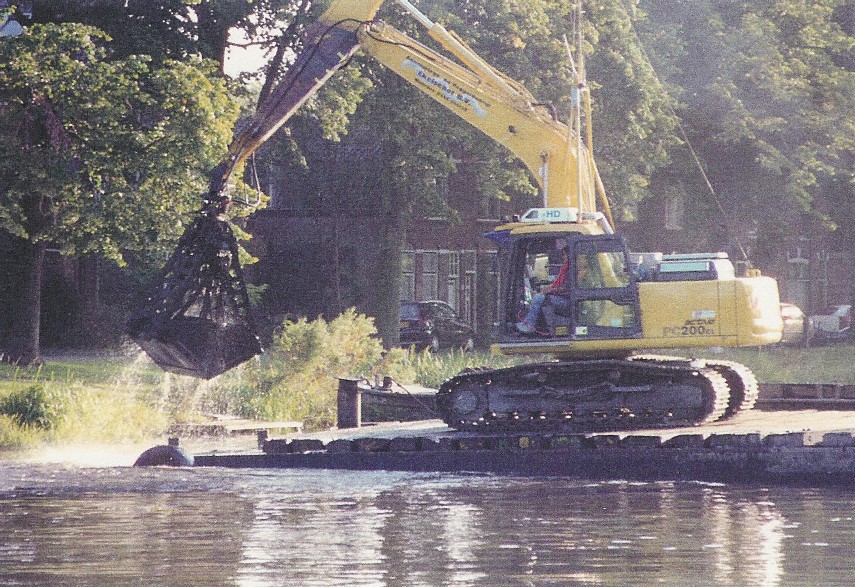
water soil remediation in The Netherlands, 2000
read on