|
|
Alien Invader Plants
|
|
|
Home
|
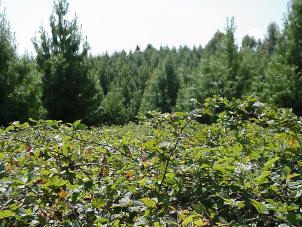
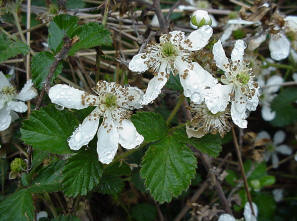
CATEGORY: 1 CONTROL: DESCRIPTION: Leaves have 3 leaflets (sometimes 5) with toothed margins; flowers white, rarely pink; fruits consist of 40-50 tightly packed parts going from green to pink to black and succulent when ripe. A deciduous perennial scrambling shrub with slender stems (canes), which bear curved thorns and only live for 18months. Flowers October/November and fruit only develop in second summer and then cane dies. ORIGIN: It is presumed that bramble was introduced into South Africa from North America in the late nineteenth century for its fruit. WHERE FOUND/PROBLEMS CAUSED: Favours cool, moist areas. It usually occurs in small patches and also along fence lines or contour banks. Invades grasslands, forest edges and plantations. In plantations the thorny canes form dense impenetrable barriers restricting the movement of workers and equipment; infestations in veld reduce grass production and restrict the movement of animals. DID YOU KNOW: American bramble can be distinguished from indigenous Rubus species as its ripe fruits are large, shiny black berries and it has 3-5 and not 5-7 leaflets. This page was last edited on 22 April, 2006 | |||||||||||||||