- SANDWORMS
- BLOODWORMS
- MUSSEL(S) PIECES
- CLAM(S) PIECES
- CHUM LOGS
- LIGHT/MEDIUM SPINNING ROD
- 8-12LB MONOFILIMANT LINE
- 20 LB. TEST LEADER 30-36 INCH.
- #10 SIZE "CHESTERTOWN" TYPE HOOKS
- 1-3 OUNCE BANK SINKER
- BARREL SWIVEL
DOWNES FISHING CAMP
| FISH | SEASON | SIZE | LIMIT |
|---|---|---|---|
| FLOUNDER | SEPT.15-DEC.31 |
| BAIT(S) | GEAR/TACKLE |
|---|---|
|
|
|
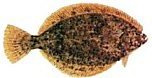
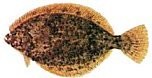
Winter flounder live in estuarine and coastal waters as far south as Georgia. They are most common between Nova Scotia and New Jersey. Locally, winter flounder are most abundant in New Jersey's northern and central estuarine and nearshore coastal areas. They usually inhabit nearshore coastal and estuarine waters from October through May. During the summer, they migrate just off the beach to several miles offshore. In the fall, most winter flounder return to the same estuary they inhabited the previous winter. Winter flounder prefer sand or mud-sand mixture bottoms, but can be found in creeks and sea grass beds with muddy or silty substrates. |
|
When feeding, a winter flounder will lie motionless,
partly concealed on the bottom, with its head raised off of
the bottom, braced by the dorsal fin. When prey is sighted,
the fish remains motionless, pointing toward the prey, then
lunges foward and downward to capture it. Winter flounder
are sight feeders and feed during daylight. Throughout
their range, winter flounder eat polycheate worms, amphipod
and isopod crustaceans, clam siphon tips and plant material.
They are omnivorous and opportunistic, eating whatever is
available.
|