Lisbon
and the Event of the Year: The EXPO 98
1998 is the
International Year of the Oceans, and commemorates the five
hundred anniversary of the historic discovery of the sea route
from Europe to India by the Portuguese navigator Vasco da Gama.
The Oceans represent an irreplaceable heritage for humanity, as a
source of life. They are a vital and indispensable element to a
sustainable development and for the defence of the ecological
balances, which are essential to the planet. The aim of the
Independent World Commission on the Oceans, headed by Dr. Mario
Soares, is to make the public aware of the importance of the
Oceans, learning to see them in a lucid and creative manner,
within their diversity, as a space of well-being and harmonious
relationships between different peoples and cultures.

At the same time, this is the
year of Portugal. A year in which every Portuguese national has a
greater pride in being Portuguese. Hospitality and warmth is an
art in which the Portuguese are considered one of the greatest
masters. The Lisbon Expo 98 is dedicated to "The Oceans, a
Heritage for the Future". It faces the challenge of
preserving the planet and offers a sense of hope. In the
welcoming words of the Portuguese Prime Minister, Antonio
Guterres, "Expo 98 is thus also a universal invitation to
join efforts, knowledge and experiences, which are fundamental
for the protection and economic exploitation of the oceans. Expo
98 is a magnificent vessel anchored in the Tagus, which
generously invites you to discover the wonders of the oceans, of
land, urban and rural areas, and specific and technological
highways of the future. With Expo 98 an entire country join in an
ancestral spirit of discovery and sharing, opening to the world,
the worlds here present. A country which offers itself as a
privileged platform for the dialogue between peoples and
cultures. A country which for the protection of the Oceans
appeals to a universal culture of co-operation, solidarity and
tolerance. This country is Portugal. And this exposition - Expo
98 - is the world in Portugal."

But what exactly are the World Expositions? According to Ole
Philipson, President of the Bureau International des Expositions
(BIE), " ... the first World Exposition was the 1851 Crystal
Palace in London. It was followed by a long series of mostly very
large expositions and all of them constituted milestones in the
industrial and cultural development of our world. These great
expositions contributed decisively to the opening up of
international exchange, both of ideas and of goods. So many
factors have worked for Expo 98: the theme, its location on the
shores of the River Tagus, the beauty of the host city of Lisbon
and the friendly and welcoming population of Portugal. A record
smashing number of countries have wished to participate and all
have come with the best from their own countries. The number of
countries and international organisations present in the last
World Exposition of this millennium have made it the most
participated of all expositions by far, the most international
ever, which is for the Portuguese, a sense of immense
satisfaction."
Well, lets now start from the beginning, I have been in Lisbon
twice in the past 2 months for short periods of time and I
visited the Expo 98 both times. The first time was in June and I
had the pleasure of visiting it with my cousin Boogie Viegas, my
mother and my sister. The second time was at the end of July with
my fiancee Bernadette Pereira. Unfortunately, there is still a
lot of extensive construction work being done in Lisbon. Some
things were not completed before the Expo 98 but are running fast
to completion. I could not recognise many of the new areas,
starting with the recent expansion of the Lisbon Airport.
Everything is now so much different from the Lisbon of my
childhood. Today, Lisbon is a new and modern city. From night to
day, Lisbon transformed itself in something simply unbelievable.
Arriving in Lisbon by plane, one notices superb new accesses to
the Expo 98 Area. Great wide new motorways link almost any point
of Lisbon to any other point - amazing, really. Public transport
and rail tracks have also improved tremendously. The new
underground stations leading to Expo 98 are truly impressive. I
guess those are the advantages of a young, recently expanded and
small underground network. The new line is called
"Oriente" and its underground stations are beautifully
decorated with lovely paintings, statues, quotes, symbols, etc.
There is usually classical or very relaxing music playing. It
made me feel that I was in a sort of museum rather than in an
underground station. Or maybe these should be the Underground
Stations of the Future! This must definitely contribute to reduce
people's stress... Imagine travelling everyday to work through
small versions of "museums" and listening to very
pleasant relaxing music. Terrific ! A very small underground
network compared with Paris or London, but big enough to serve
people from Lisbon with excellent services, high quality and
standards. It really gives one pleasure to travel in it. The
trains are new and comfortable. The old stations in the other
lines are being re-decorated as well, in line with the new
underground stations. For more informations (and if you don't
believe me), photographs and full descriptions of these
"museums" can be found at the Lisbon
Underground Web Site (Metropolitano de Lisboa).
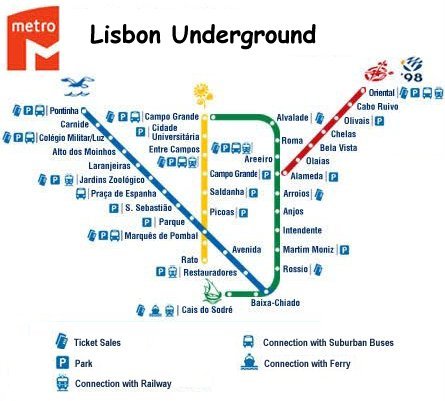
One can also reach the Expo 98 by
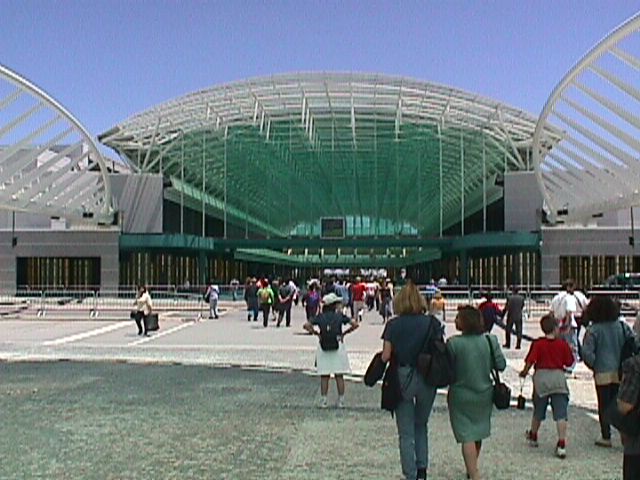
car, buses, trains and boats/ferries. A large station - Oriente
Station - was built where the main collective passenger transport
systems converge: trains, underground, urban buses, suburban,
express buses, coaches and shuttles linking it to Lisbon
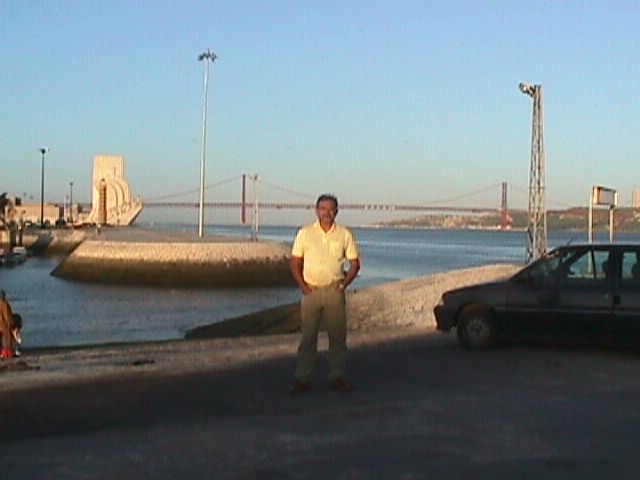
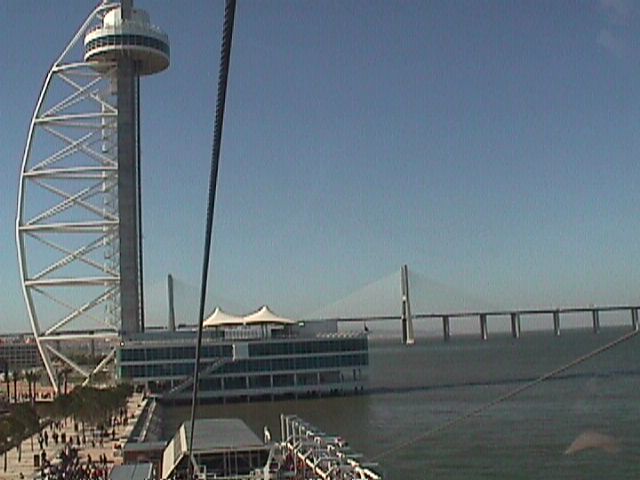
International Airport. A new bridge named Bridge Vasco da Gama
was built over the River Tagus linking Lisbon to Montijo and to
the motorways to the South of Portugal. It is currently the
longest suspension bridge in Europe with a length of 17 Km. A new
and impressive Shopping Centre named "Colombo" is the
largest shopping area in the Iberian Peninsula, excellent and
worthy to visit, located in front of Sport Lisboa e Benfica
Football Stadium (also the 3rd largest of the world with capacity
for 120,000 people). Colombo Shopping Centre is great for
shopping and one can easily spend the day there - restaurants are
plentiful inside. Prices in Lisbon are still cheap compared to
other European capitals. The capital of Ulysses, the quay of
Europe, the gateway to the Atlantic, literally everything in
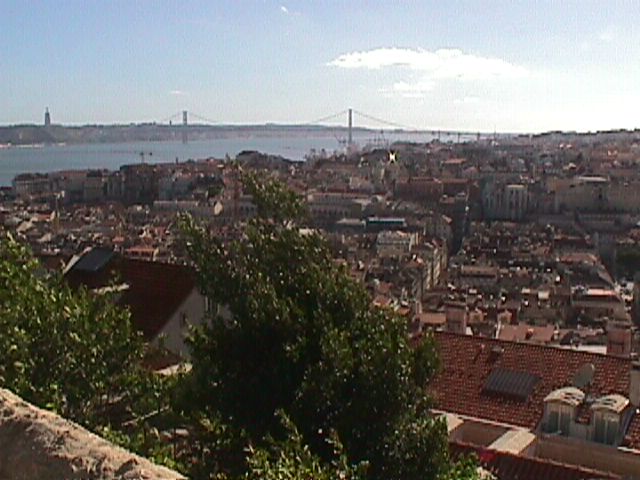
Lisbon is extremely attractive today. Seen from the belvederes of
its hills, it seems to be resting on the Tagus, which more than a
River, appears to the visitor a sea and is an invitation to point
towards the Oceans and the infinite. No wonder Lisbon's
Navigators of the 15th and 16th centuries were strongly motivated
in discovering new worlds. That's the motivation one can still
get today. A strong motivation to move ahead, to improve, to win.
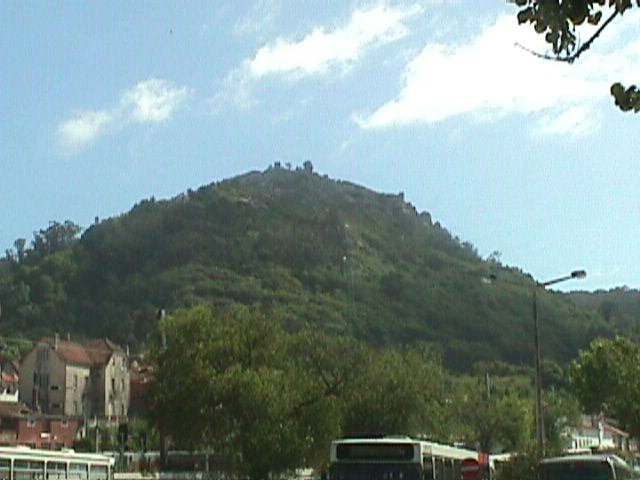
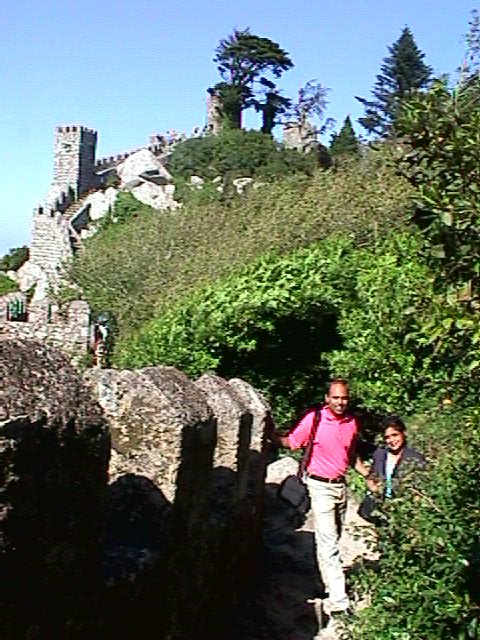
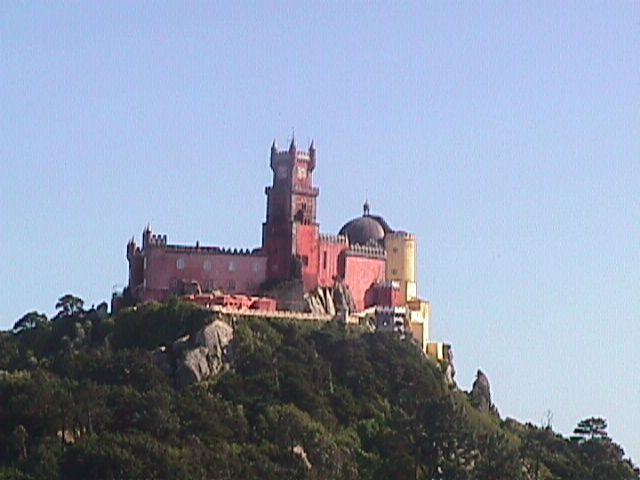
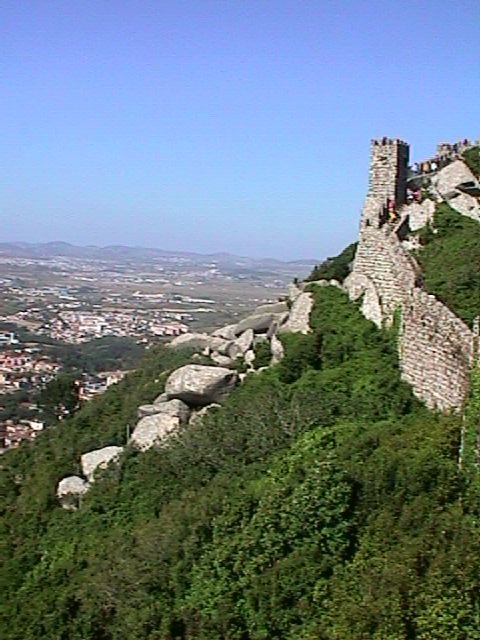
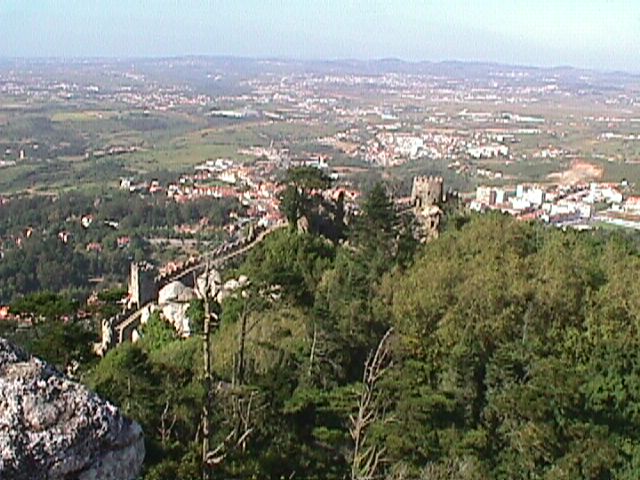
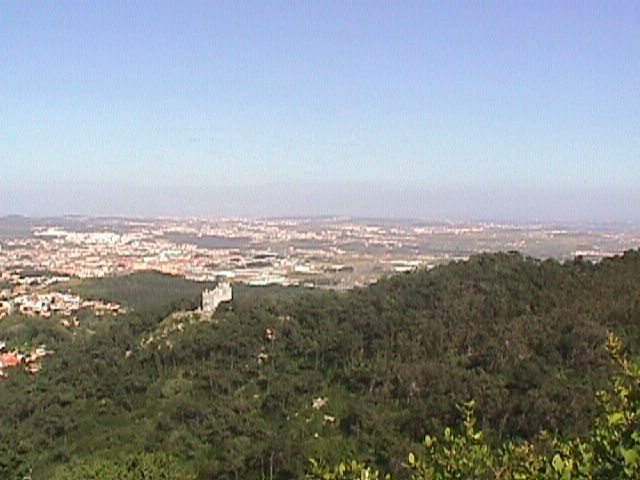
If you have the chance, visit the Castelo de Sao Jorge in Lisbon,
Castelo dos Mouros in Sintra (very far, high and difficult to
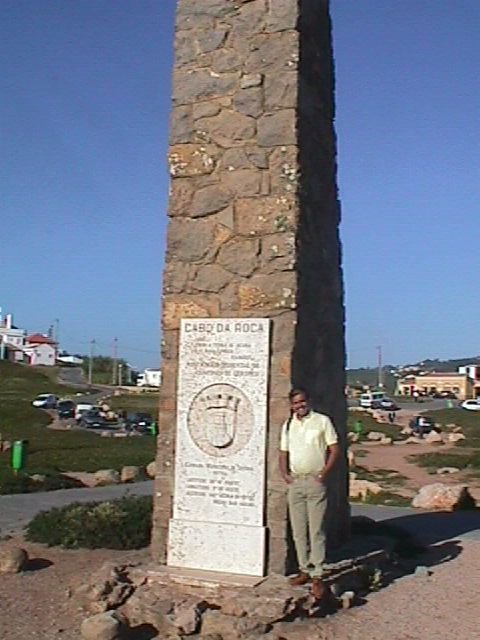
climb but what a view !...), Cabo da Roca (the most western point
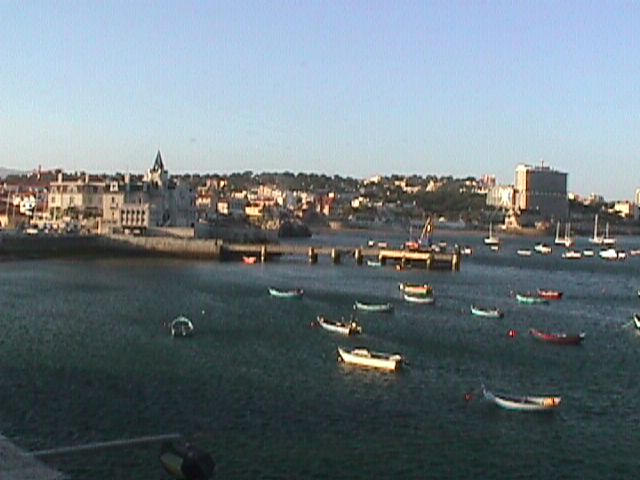
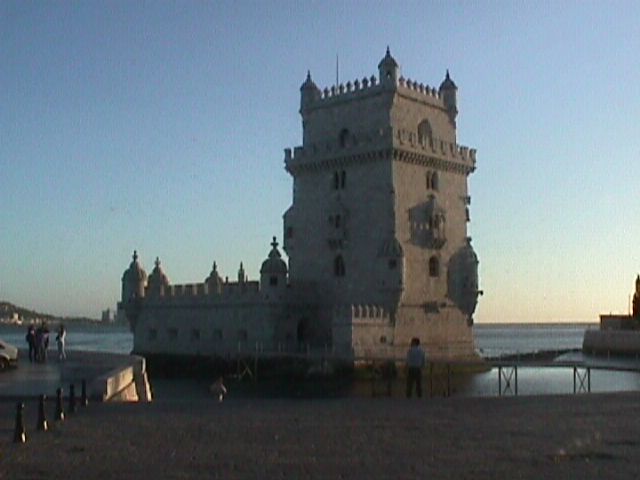
of Continental Europe), Boca do Inferno in Cascais, Torre de
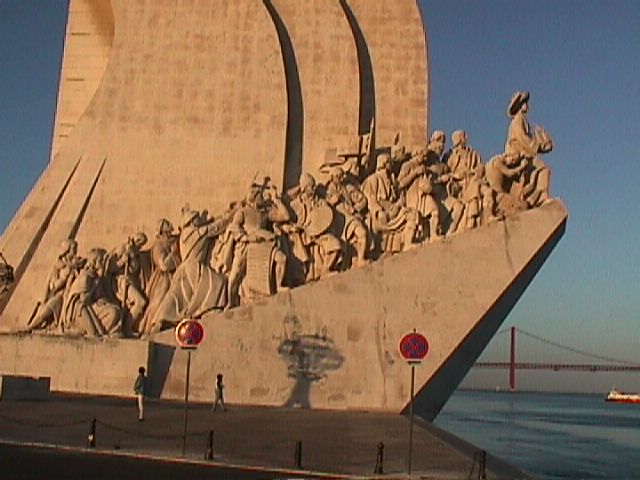
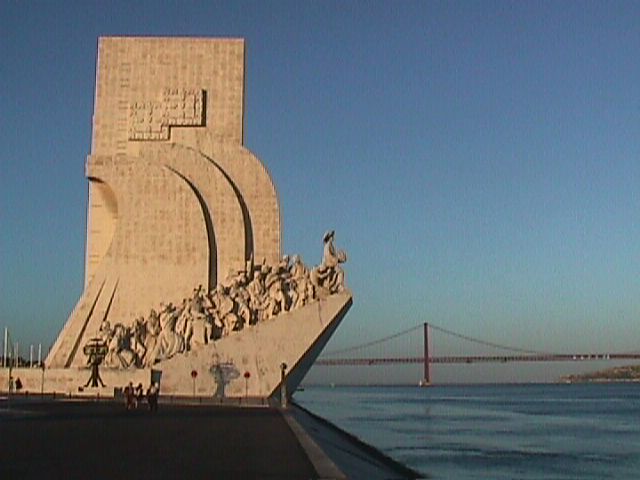
Belem, Monumento dos Descobrimentos and Mosteiro dos Jeronimos,
from the place where Vasco da Gama and his fleet left to discover
new worlds (Restelo - Belem). While there, do not miss the famous
Pasteis de Belem, fresh right from the factory. Take the ferry
from Terreiro do Paco in Lisbon and travel to Barreiro during
sunset (it is a cheap crossing over the Tagus River, an
unforgettable and enjoyable experience). By all means, do not
stay in your hotel room. Transport in Lisbon is still fairly
cheap for tourists. No possible comparison with the prices in
London or Paris. Nightlife is superb as well. Lisbon and Madrid
are constantly elected number one nightlife cities of the world.
Visit the Docas de Alcantara area and Avenida 24 de Julho pubs,
bars and discos. You will not regret going there. Specially
recommended are bars & discos "Blues Cafe" and
"Indochina".

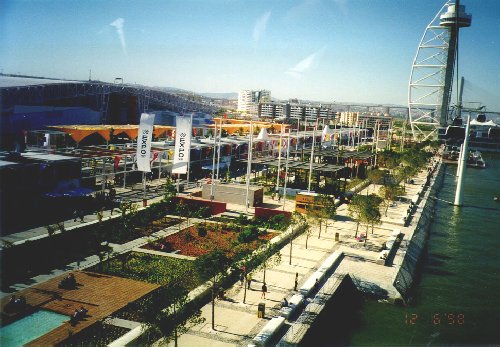
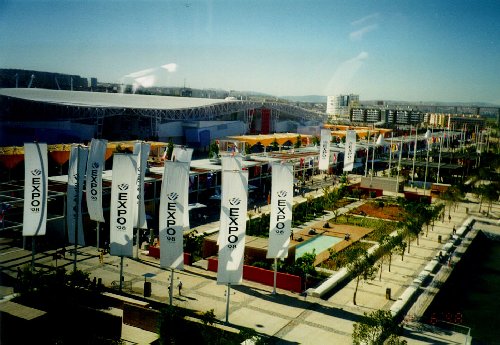
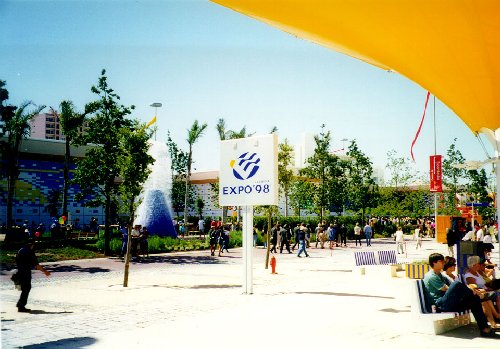
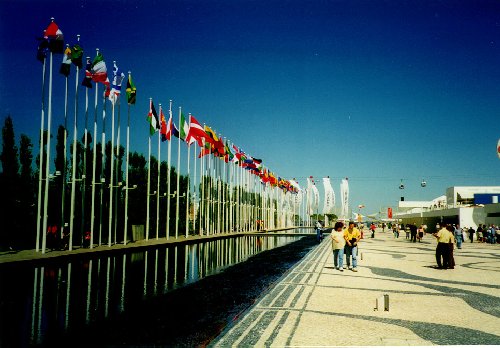
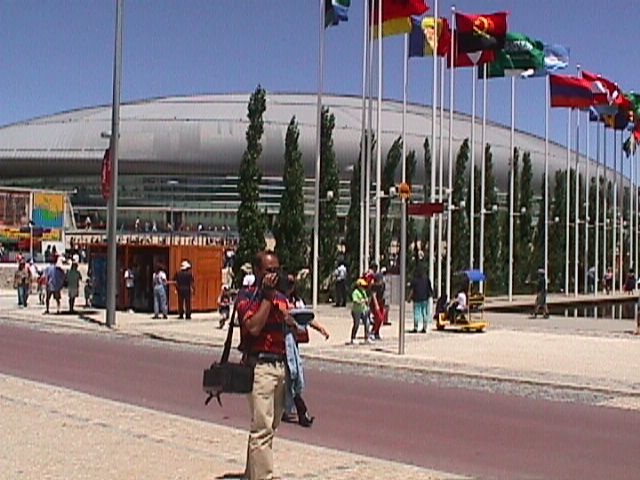
When I reached the Expo 98 area, (BTW, the temperature in Lisbon
had reached almost 35 degrees centigrade those days!), my
expectations were surpassed by far. It was much better than I
thought. I had seen some photos and videos of it, but no
photographs and no videos can manage to express with justice what
the Expo 98 really is. One has to go there and witness it
personally. So many things to see, so many things to appreciate,
never enough time though. The biggest attraction in Europe and
event of the year, the Expo 98 high-tech themed and international
pavilions are definitely something not to miss this summer !
An excellent reference for the
Expo 98 Site Map is http://www.expo98.pt/en/Visita/recinto.asp
The three chosen International
Languages of Expo 98 are English, Spanish and Portuguese -
something that the French didn't like at all when they got to
know about it. The truth is that the choices are perfectly
justified. English is the second Language of the world spoken by
322 millions, after Chinese-Mandarin spoken by 885 millions;
Spanish is the third language of the world spoken by 266
millions; and Portuguese is the sixth language of the world
spoken by 170 millions. French occupies number 13 in the world
languages, spoken by 72 millions only. Bengali occupies number 4,
spoken by 189 millions and Hindi number 5 spoken by 182 millions.
Therefore, the three European Languages spoken most in the world
are English, Spanish and Portuguese. (Source http://www.sil.org/ethnologue/top100.html).
Expo 98 is open every day from 9.00 A.M. to 3.00 A.M. the
following day. Unfortunately, the thematic pavilions close by
8.00 P.M. sharp without exception. Some long queues start closing
at about 7.00 P.M. according to the length of the queue, so that
nobody can join the queue after that. There are different kinds
of nightlife attractions that include theatrical, musical,
folklore, live shows, road recreations and entertainment, a
multimedia exhibit (consisting of sounds, projected images, fire
and laser effects culminated by fireworks) event *NOT TO MISS*
every day at 11.45 P.M. called Acqua Matrix, behind the
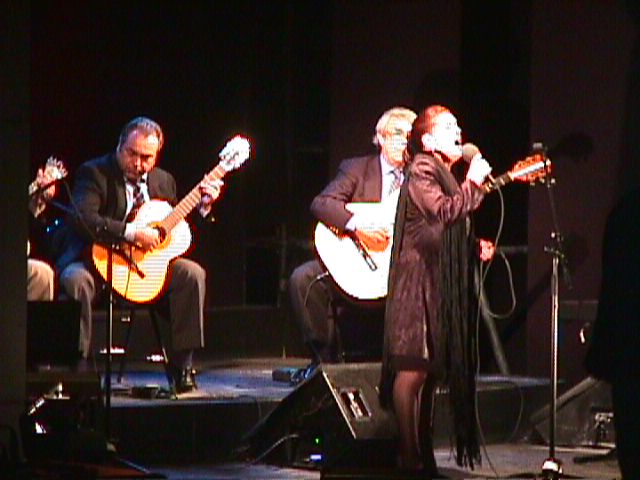
Portuguese Pavilion facing the river. From 0.05 A.M. the music
comes back to the stages for all night-time fans. Fado, Jazz,
Rock, African and Latin rhythms echo once again throughout the
Expo 98 area. On the northern side, in the Sony Plaza, dancing
fills the site with joy. There is a huge Sony screen, which is
used to transmit the images of the events and was used also to
transmit the football games of the World Cup.
There are six High Technology Thematic Pavilions in the Expo 98:
The Knowledge of the Seas Pavilion, The Oceans Pavilion, The
Pavilion of the Future, The Portuguese Pavilion, The Utopia
Pavilion, and The Virtual Reality Pavilion.
The Knowledge of the Seas Pavilion was designed to illustrate the
evolution of the process of discovery of the Seas: how man
learned to sail them, was able to explore their surface and how
they started to adventure into the depths.
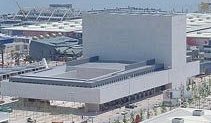
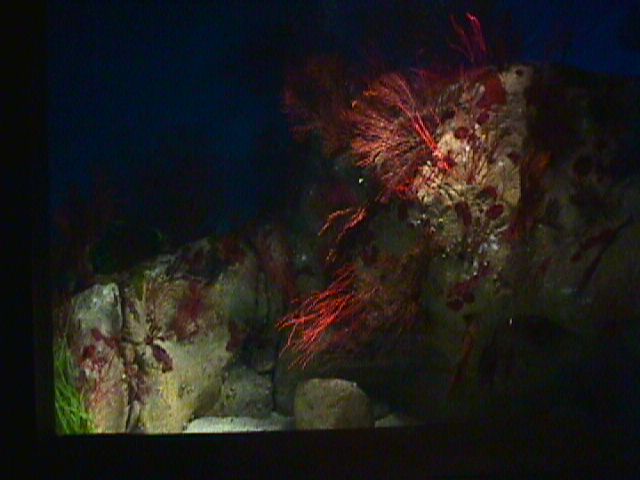
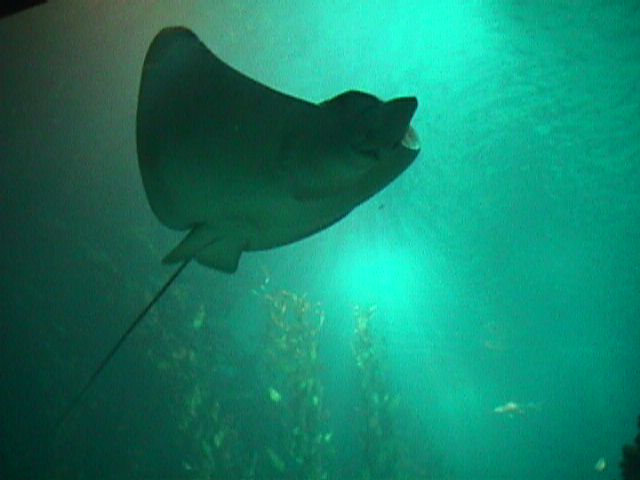
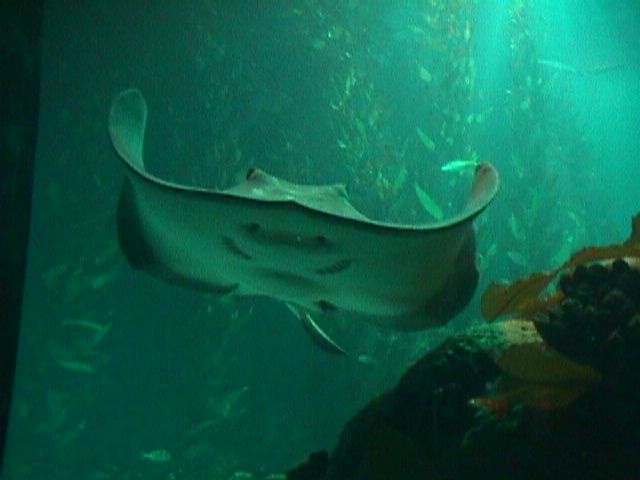
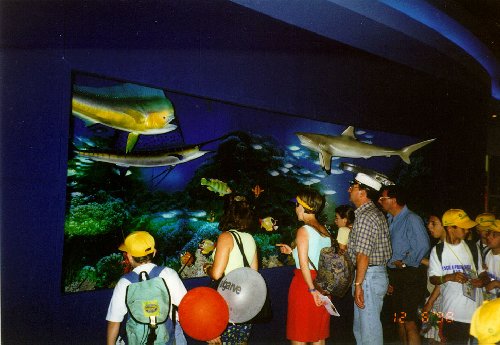
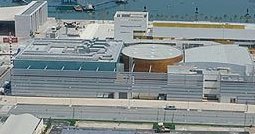
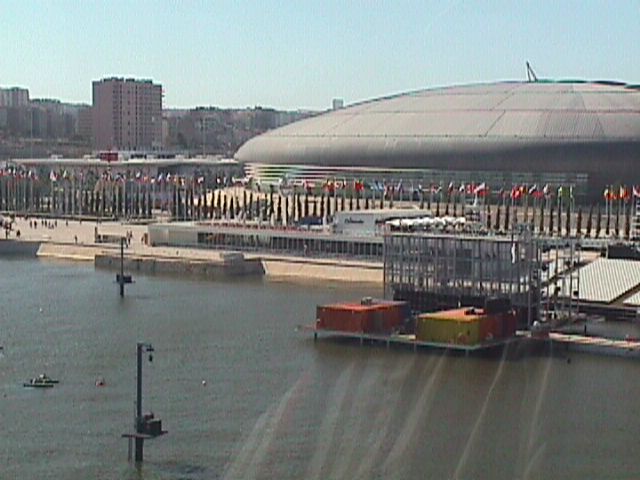
The Oceans Pavilion is one of the emblems of the Expo 98. Seen
from afar, the building immediately draws attention to itself
with its cut trim forms from the main body where the vertical
elements are suggestive of cranes or masts. The interior is the
largest Oceanarium of Europe, the second largest of the world,
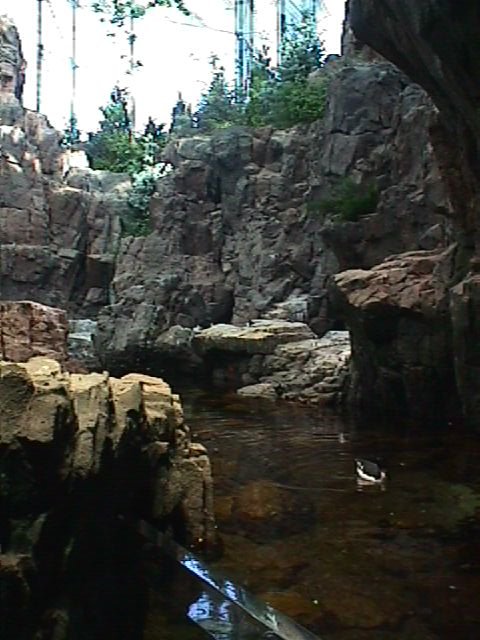
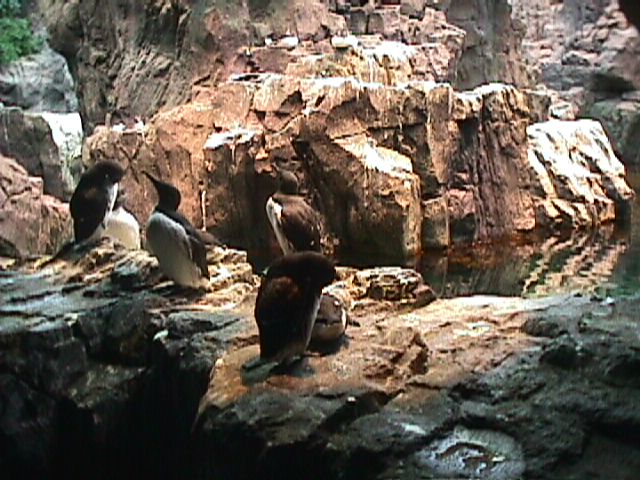
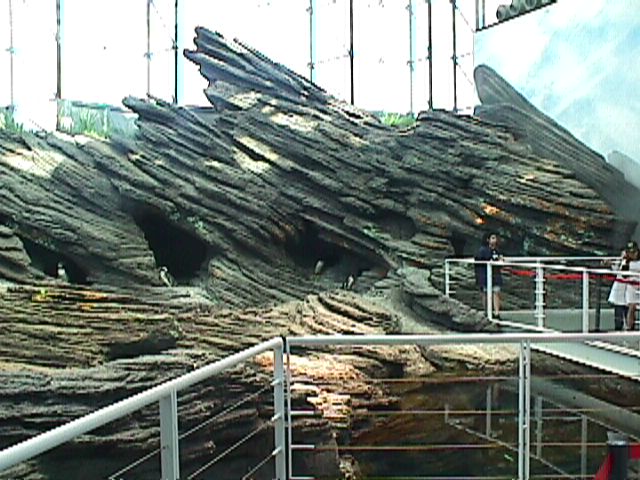
which attempts to recreate the global ocean. The Oceanarium
incorporates three main ideas: 1. The Ocean as a single
continuous body of water, forming the main theme of linking the
peoples of the world. 2. Limitless Life, shown here as the
exploration and celebration of the enormous diversity of
life-forms, from microscopic organisms to large marine mammals.
3. Mankind's capacity to understand the ocean environment and our
responsibility in its defence and conservation. These concepts
are the main messages transmitted by the Oceanarium: a new vision
of life on Earth through the Oceans and a firm commitment to
ensuring their future by means of a new relationship between
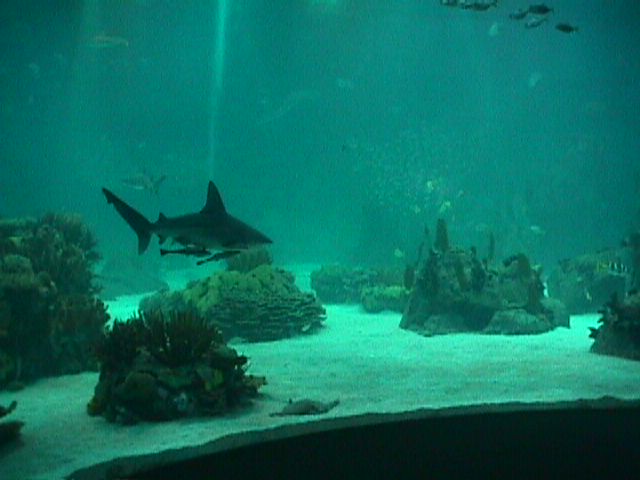
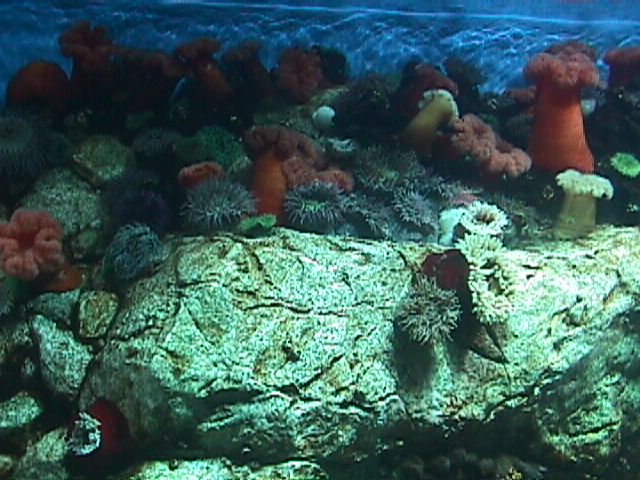
Mankind and the environment. In the centre of the building, which
has two floors, is the largest tank. Four smaller tanks start
from the corners of the central aquarium, representing selected
coastal habitats, with typical biological species from four
regions of the globe. Together these five exhibition areas convey
the idea of a single ocean - The Global Ocean - although it
interacts with the diversity of the different seas. The central
tank can be seen from the two floors and from any side, through
four large curved panels. These windows provide a 180 degrees
angle of vision into the aquarium, making visitors feel they are
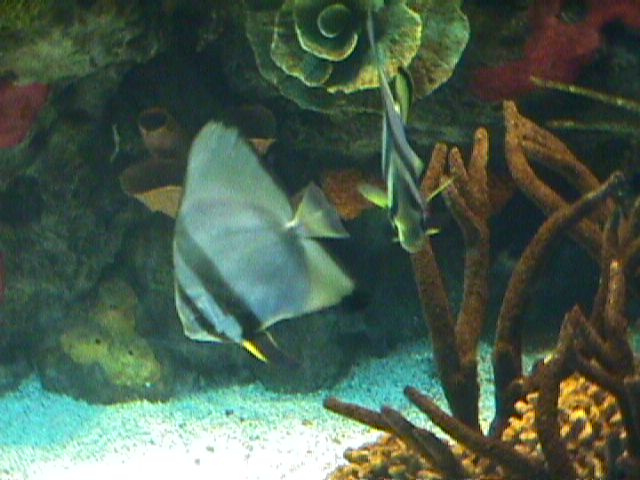
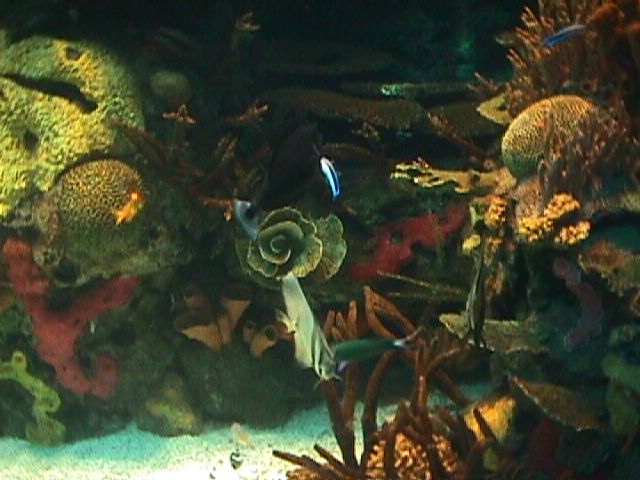
actually inside it! In total there are 20,000 examples of two
hundred different species, from very small, beautiful coloured
fishes to medium size sharks, giving life to the most modern
Oceanarium in Europe. No description can describe the sensation
of being really there. Believe me.
The Pavilion of the Future illustrates the importance of the
Oceans for the survival of Mankind. The Pavilion is divided into
five sectors: 'The Atlas Room', 'The Threatened Ocean', 'The
Ocean Observatory', 'A Walk into the Deep Blue', and 'Towards the
Future'. The thematic contents of this pavilion intend to bring
about a change in individual and collective attitudes and
behaviour towards the oceans. Multimedia special effects are used
to explain in a clear and accessible way what contemporary
science can tell us about the oceans.
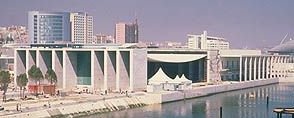
The Portuguese Pavilion (there are long queues at all times but
by all means do not miss this!) occupies a dominant position on
the site. In the interior, a vast exhibition shows the Portuguese
contribution to the conquest of the Oceans, framing this effort
in an universal perspective, that of the relationship of man with
the sea at all times. The first nucleus of the exhibition is
entitled 'Myths, Dreams and Realities', showing how the
Portuguese starting from the Mediterranean culture, developed new
paths through the oceans. The highlight of this first nucleus is
an excellent Computer Animated Film "The Voyage", a
recreation of the Portuguese Discoveries and a real must for
Computer Animation enthusiasts like me... The second nucleus is
entitled 'The Builders of the Oceans' and displays the pieces
chosen from an archaeological research campaign carried out in
the Tagus River. The third and last nucleus is an Aquarama,
destined to give the visitor the illusion of diving with the
archaeologists into the depths of the Tagus River, and sharing in
the experience of discovering this inexhaustible archive, the
Ocean, property of Mankind. Definitely worth seeing, despite the
long queues.
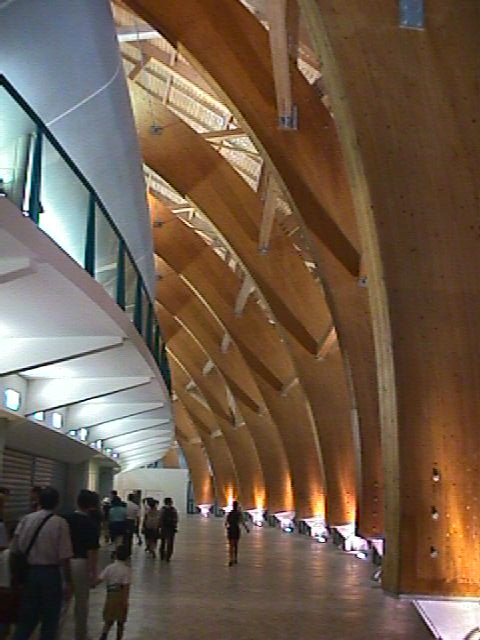
The Utopia Pavilion recreates myths and legends related to the
sea. It is an oval pavilion that reminds me of a huge mushroom,
with a giant interior with capacity for 12,000 people seating.
The theme is based on the myth of creation and presents a
burlesque variation on the origins of Mankind, the gods and the
Oceans. The narrative gives rise to a journey on which visitors
experience a series of different odysseys and will be surrounded
by a huge stage set in which sophisticated light, sound and
moving image technology (wind and giant balloons) is used
together with more conventional theatrical devices. The show
includes the most sophisticated known special effects, which are
having their world premiere. Do not miss it too.
There are 4 daily shows at 12.00 PM, 3.00 PM, 6.00 PM and 9.00
PM.
The Virtual Reality Pavilion and its state-of-the-art Technology
is sponsored by Portugal Telecom. In this pavilion, visitors may
learn of a millennium civilisation as ancient as the mythical
Atlantis, by descending to a virtual Oceanica, the scene of an
unforgettable voyage to the bottom of the ocean recreated by
elaborated computer systems. Immersed in a virtual sea, the
visitors will descend to the depths of the Ocean to visit the
ruins of an ancient city just discovered by the archaeologists.
This adventure is staged by using the most advanced and
innovative technologies of virtual reality: mighty Silicon
Graphics ONYX 2 Infinite Reality, Stereoscopic helmets, huge 180
degrees screens, motion platforms or chairs synchronised with the
images and input device for the users. The idea is to create such
a strong illusion that the visitors forget that they are
surrounded by images of synthesis and are immersed into another
dimension. Unfortunately, there is an entry fee for this pavilion
and the timetable is from 10.00 AM to 12.00 AM. The queues are
long but do not miss this too. If you are not yet a computer
"lover", you will definitely start being one!
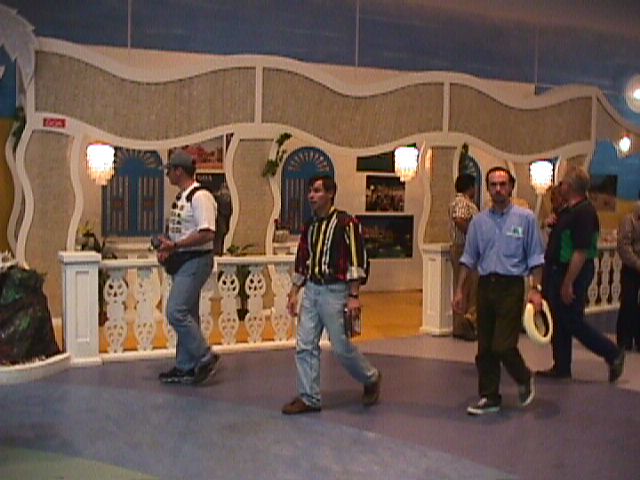
The other pavilions represent
the contribution of the several countries present. There are two
areas dedicated to these International pavilions: The South
International Area and The North International Area. Inside these
huge complexes totalling an area of 80,000 square meters, there
are modules occupied by the participating countries according to
the dimension requirements of their respective representations.
Near the Oriente Station there is yet another building which
houses the International Organisations such as the United
Nations, The Council of Europe, the International Red Cross, etc.
Check the site map here.
In my two visiting days, I toured as many international pavilions
as I could but I should say that I didn't have time to visit all
of them. By the end of the day, the visitor is usually exhausted.
The high temperature and hot sun do not help at all and standing
in long queues is the worst thing. Food and drinks are widely
available inside the area but at expensive prices compared to
outside the Expo area. There are a lot of places where it is
possible to rest and to refresh, but there is always considerable
pressure not to waste time, which contributes to total exhaustion
after some hours. So many things to see and not enough time. If
you are going to spend more than 1 day visiting (I recommend 3
days), then don't do it in consecutive days. Have a break and
enjoy the beauties of the city of Lisbon as well.
If you are interested in tourism and Portuguese history, do not
miss any of the Portuguese pavilions in the Expo 98: Azores
islands, Madeira islands, Non-Autonomous Territory of East Timor,
ICEP-Portuguese Trade and Tourism Office, Territory of Macau,
Portuguese communities, Territory and ViniPortugal. The Azores
and Madeira pavilions provide lovely multimedia shows of the
islands, with multiple projections. The visitor will step in a
quadrangular magical space surrounded by moving images, light,
the soundtrack and special effects. One can also purchase the
much appreciated hand made articles from these islands, which are
world famous.
The East Timor Non-Autonomous
Territory Pavilion exhibits ethnographic, historic and
cartographic material, illustrating the cultural identity of the
island. The visit starts with the projection of a film about the
tale of the formation of the island from an old crocodile which
went to hunt on dry land and lost its strength, transforming
itself to the island. I also learned that East Timor is also
known as the land of the Rising Sun. After the film, the visitor
is given an opportunity to find out about the history of East
Timor, the Portuguese colonial domination and the Indonesian
current invasion of the territory. In 1974, a democratic Portugal
acknowledged the principle of self-determination for all people
under its colonial administration, including East Timor. However,
on the 7th December 1975, the Indonesian forces invaded the
territory. On the 22nd December 1975, the UN condemned Indonesia
and demanded the retreat of its forces but President Suharto
didn't move his army from the island. On the 30th June 1995, the
UN International Court of Justice announced that the People of
East Timor had the right to self-determination. East Timoreses
present in their pavilion the photographs of their people who are
constantly fighting for self-determination at the cost of 2/3 of
the population killed since 1975 for the cause of freedom. They
are very proud too of their two Nobel Peace Prizes recently
awarded to RC Bishop D. Ximenes Belo and Mr. Ramos Horta,
representative of the Timorese Resistance.
The ICEP pavilion represents the promotion of the Portuguese
economy throughout the world, as far as investment, trade and
tourism are concerned. Do not miss it if you want to collect
information about Portugal as a tourist destination.
The Macau pavilion provides a true cultural entertainment,
seeking to recreate everyday scenes from Macau, allowing visitors
to undertake an imaginary trip to the orient. Macau has been
under Portuguese Administration for more than 450 years and will
become the Macau Special administrative Region of the People's
Republic of China after the 20th December 1999.
The ViniPortugal pavilion describes some of the best Portuguese
wines that have won international prestige over the last decades.
Wine-tasting, contests, the description of the wine cycle and the
presentation of the various wine growing regions are the main
attractions of this pavilion.
The Pavilion of the Portuguese
Communities tells about the presence of the Portuguese in foreign
lands through the history of their emigration and of their
achievements in the host countries. They are close to five
million, which means that one of every three Portuguese lives
outside of the country. The core of this pavilion occupies the
hull of the ship D. Fernando e Gloria, last "Nau"
(vessel) of the India Route, constructed in the shipyards of
Damao, in 1845. Anchored in the middle of the Olivais Dock, the
frigate is a privileged site, standing out amongst all the other
vessels participating in the nautical exhibition and attracting
the attention of Ocean lovers and the art of navigating. The
ship, which is one of the last four frigates with sails in the
world and the eighth oldest war vessel on this planet, took part
in military missions between 1843 and 1938. It sailed the
equivalent of five times round the world and went as far as
navigating three months and a half without making a stop,
carrying more than 600 people without difficulty.
The Garcia de Orta gardens are part of an extension of the
Riverside Walk leading to the area of the restaurants and the
North International Area. There are six trips in a row, each
being 25 meters wide, in which the plants chosen recreate the
vegetation of the different places travelled to by the Portuguese
during their ocean voyages: Macau, Goa, Timor, Mozambique,
Angola, Sao Tome e Principe, Cape Verde, Madeira, Azores, and
Brazil. The Goa's plot has a marble tank in the centre, which
receives water from a pipe running, through the garden. A portal
constructed from a base of wood allows for the appreciation of
the whole garden highlighting the orange trees brought from China
by the Portuguese, which were acclimatised in Goa before coming
to Europe.
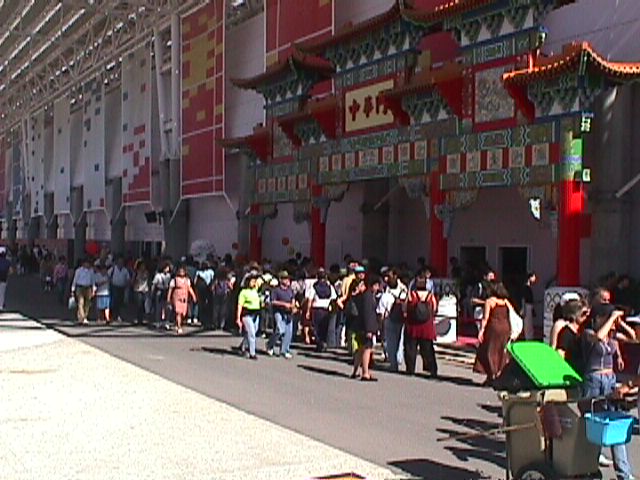
I also visited several other pavilions. Extremely interesting
were: China, India, Pakistan, Morocco, United States, Japan,
Mexico, Brazil and Canada. Unfortunately, I didn't have time to
visit any of the European ones. Two days were not enough. Three
days might be enough to see everything as long as one plans
things in advance and do not waste much time with non-important
things. If you speak Hindi and you want to do some shopping in
the Indian and Pakistani pavilions, you can get about 50% or more
discount (unofficially, of course)! That's what my fiancee
Bernadette did and we ended up buying half of the Pakistani
pavilion... and even exchanging our London telephone numbers with
the guys in the Indian and Pakistani pavilions, believe it or not
:). The Indian Pavilion describes the Indian Oceanographic
technology with very interesting graphics and maps. A poor
representation was given to Goa section, a lot more could have
been done but then again, it might have been outside of the theme
of the exposition - certainly a point for discussion. But leaving
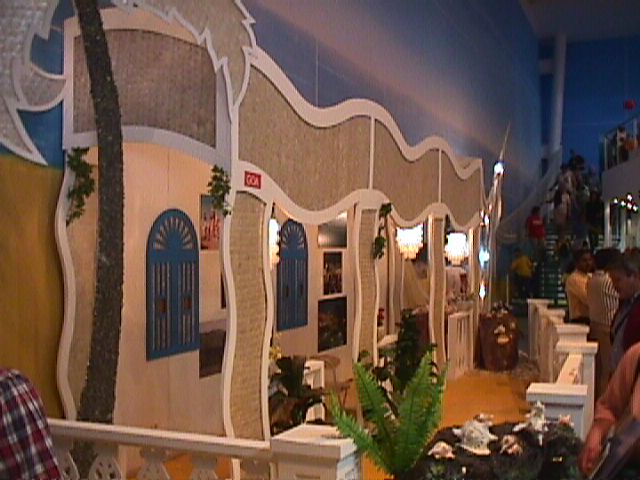
a facade of a typical Goan home - the balcony - and nothing else
is almost the same as not doing anything. Goa has a lot more to
present and something better should have been done. But both
Indian and Pakistani pavilions have several stalls inside selling
Indian and Pakistani handicrafts. The visitors went literally
crazy about it and the items were being sold fast and well.
To conclude this long report, it was a great experience. It made
me really proud of my Portuguese Citizenship. You should not miss
Expo 98 if you have a chance to visit it. The Exposition will
last until end of September 1998. They are now talking about
extending it untill October, but this information is not
confirmed yet.
Text: Paulo Colaco Dias
Photos: Boogie Viegas and Paulo Colaco Dias.
Last modified: 06 September
1998
Sources:
http://www.expo98.pt (The official Expo 98 Web site)
Revista Visao - Guia da Expo 98
O Publico - Guia da Expo 98
Guia Oficial da Expo 98
TAP Air Portugal - Expo 98 Guide
Revista Atlantis.
 Back to my home page