 Real Curious
Curiosities!
Real Curious
Curiosities!
|
|
|
|
|
|
|
|
|
|
|
|
|
|
 Click anywhere over here,
or just scroll down the page...
Click anywhere over here,
or just scroll down the page... 
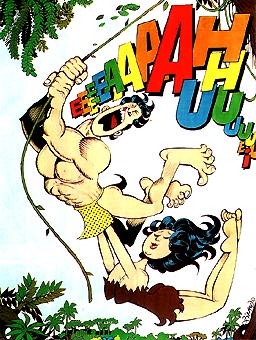 |
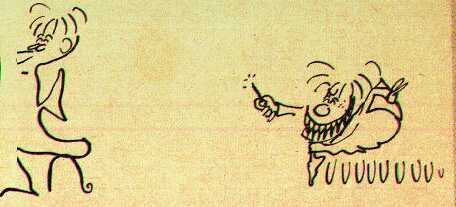
 This illustration was created in
early seventies, in Brazil, and appeared in newly born Penthouse magazine,
in London. After that, a lot of unauthorized copies have been made and
spread around the world as postcards, bumper stickers and poster magazines.
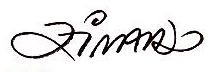
It was created by brazilian cartoonist Ziraldo, whose signature we reproduce
besides. This illustration was created in
early seventies, in Brazil, and appeared in newly born Penthouse magazine,
in London. After that, a lot of unauthorized copies have been made and
spread around the world as postcards, bumper stickers and poster magazines.
It was created by brazilian cartoonist Ziraldo, whose signature we reproduce
besides. |
 |
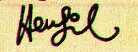
In 1973 brazilian cartoonist Henfil went to
New York, for a medical treatment of his hemophilia. After living there
for almost two years, he tried to sell his stripes to a syndicate, and
finally signed contract with Universal Press Syndicate (UPS). The
name of his strip was The Mad Monks, and the main characters were
two silly monks, a tall one, called King Size, and a short one, named Runt.
Garry Trudeau was the top name of the syndicate by those days, and
Henfil was predicted to be the new Trudeau. However, somehow, the
readers didn't like his acid humor and sent a lot of letters to the papers
that published the strip. The most usual reasons were: anti God, anti-American
and... sick. Some two months later the strip was canceled.
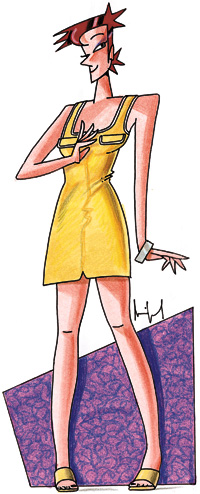
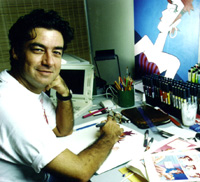
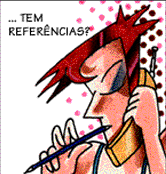 Radical Chic wasn't the first female comic book character to appear
naked in a magazine, but certainly she was the first to appear naked in
an adult magazine. In February, 1993, only a few readers noticed a small
picture in the brazilian version cover of Playboy
magazine . Nowadays, Radical Chic is published weekly in saturday's
supplement of brazilian newspaper O Globo.
The character was created in 1983 by Miguel Paiva, whose picture can seen
beside, at his studio, where he still writes and draws the Radical Chic
pages. A lot of female readers identified themselves with her. Radical
has been interviewed by newspapers (!), became a TV program and now has
an official site.
Radical Chic wasn't the first female comic book character to appear
naked in a magazine, but certainly she was the first to appear naked in
an adult magazine. In February, 1993, only a few readers noticed a small
picture in the brazilian version cover of Playboy
magazine . Nowadays, Radical Chic is published weekly in saturday's
supplement of brazilian newspaper O Globo.
The character was created in 1983 by Miguel Paiva, whose picture can seen
beside, at his studio, where he still writes and draws the Radical Chic
pages. A lot of female readers identified themselves with her. Radical
has been interviewed by newspapers (!), became a TV program and now has
an official site.


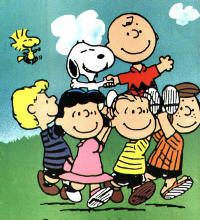 A
psychiatrist, some day, arrived at his office an found a letter from one
of his patients canceling the appointment. He had found an origin of their
complexes. Illustrating the solution, beside, it is shown a strip of Peanuts.
Charles M. Schulz, the author, is called the Freud of the comic books.
In the world of Peanuts adults shows up only in quotes, and everyman
complexes are dealt as events in a childish universe. The way children
talk and question the world, with an intellectualized content, can be compared
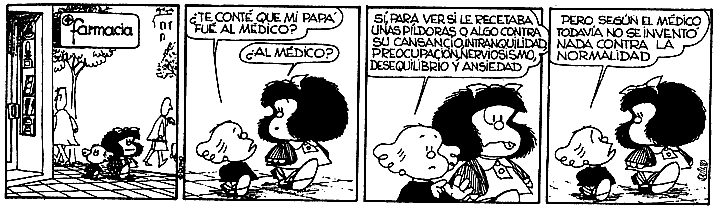
with only one comic strip, the argentine Mafalda, by Quino.
A
psychiatrist, some day, arrived at his office an found a letter from one
of his patients canceling the appointment. He had found an origin of their
complexes. Illustrating the solution, beside, it is shown a strip of Peanuts.
Charles M. Schulz, the author, is called the Freud of the comic books.
In the world of Peanuts adults shows up only in quotes, and everyman
complexes are dealt as events in a childish universe. The way children
talk and question the world, with an intellectualized content, can be compared
with only one comic strip, the argentine Mafalda, by Quino.

 Felix the Cat was created in 1917 by australian cartoonist Pat
Sullivan, as a cartoon, and later became a Sunday strip (in colors)
and then a daily strip. Felix was also the first sounding cartoon
and the first to be transmitted by television, in 1930. Sullivan
died in 1933 and two names were in charge of the journal stripes, Otto
Messmer and Joe Oriolo. Felix was inspired in Rudyard
Kipling's, "the cat who walks by himself". French writer Marcel
Brion wrote: "Felix is not a cat, it is The Cat". Brazilian
poet Carlos Drummond de Andrade signed movies critics as Felix
the Cat or Mickey Mouse. Todd McFarlane drew a stuffed
Felix in every comic book he did since Hulk # 339 (look for it!).
Felix the Cat was created in 1917 by australian cartoonist Pat
Sullivan, as a cartoon, and later became a Sunday strip (in colors)
and then a daily strip. Felix was also the first sounding cartoon
and the first to be transmitted by television, in 1930. Sullivan
died in 1933 and two names were in charge of the journal stripes, Otto
Messmer and Joe Oriolo. Felix was inspired in Rudyard
Kipling's, "the cat who walks by himself". French writer Marcel
Brion wrote: "Felix is not a cat, it is The Cat". Brazilian
poet Carlos Drummond de Andrade signed movies critics as Felix
the Cat or Mickey Mouse. Todd McFarlane drew a stuffed
Felix in every comic book he did since Hulk # 339 (look for it!).
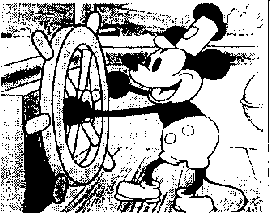 SteamBoat Willie was the first appearance of Mickey Mouse,
in a black and white cartoon. The first name Walt Disney choose
for him was Mortimer, that was latter changed, on a suggestion of
his wife, to Mickey. The very first penciller of Mickey in
the newspaper was Ub Iwerks, who also did the design of the Nautilus
submarine in 2000 Leagues Under the Sea. In more than 6 decades
of life, Mickey changed his looks a few times, and one of his best
pencillers was Floyd Gottfredson.
SteamBoat Willie was the first appearance of Mickey Mouse,
in a black and white cartoon. The first name Walt Disney choose
for him was Mortimer, that was latter changed, on a suggestion of
his wife, to Mickey. The very first penciller of Mickey in
the newspaper was Ub Iwerks, who also did the design of the Nautilus
submarine in 2000 Leagues Under the Sea. In more than 6 decades
of life, Mickey changed his looks a few times, and one of his best
pencillers was Floyd Gottfredson.

Dilbert is a typically nineties strip
as much as Mafalda is a typically seventies strip. Talking about
e-mail, upgrades, reengineering, ISO 9000 and cubicles,
Dilbert tells the daily life of an engineer (yes: the main
character is an engineer) on a very odd firm, with a crew that joins
the kind of stupid managers, sadistic dogs, dinosaurs, misbehaving computers
and more. Scott Adams, the author, worked for 17 years in places
like these, where he compiled material to do the strip. Also, Dilbert
was too the first strip that had the author's e-mail published,
so that anyone could send a strange story to the author, and, perhaps,
see it converted in a joke. The Dilbert Principle was the
name of an article published by Scott Adams in The Wall Street
Journal that motived the creation of a book, with the same title, a
true best-seller.
 Main
Main 