(Written on October 10, 2002
by (Keith) HUNG Kut Man)
To Create a Magic Circle:
I created the following four magic
circles which can be generalized to any 33 consecutive numbers. If we exclude
the central number 17, the sum of the numbers on each circle or the sum of the
numbers in each straight lines is always 136. These magic circles are constructed
basing on a series of 33 consecutive natural numbers from 1 to 33.
In generalization, the numbers 1,
2, 3... 33 can be viewed as the 1st, 2nd, 3rd... 33rd numbers of the consecutive
numbers. The 17th number is the middle number of the consecutive numbers Cn
+ D, C(n + µ ) + D, C(n + 2µ ) + D,
C(n + 3µ ) + D, C(n + 4µ ) + D, ...
C(n + 32µ ) + D where C, D, n, and µ
are any real, imaginary or complex numbers, and Cµ is the difference between
any two consecutive numbers. If we omit the central number, the sum of the numbers
on every circle and every straight line is the same.
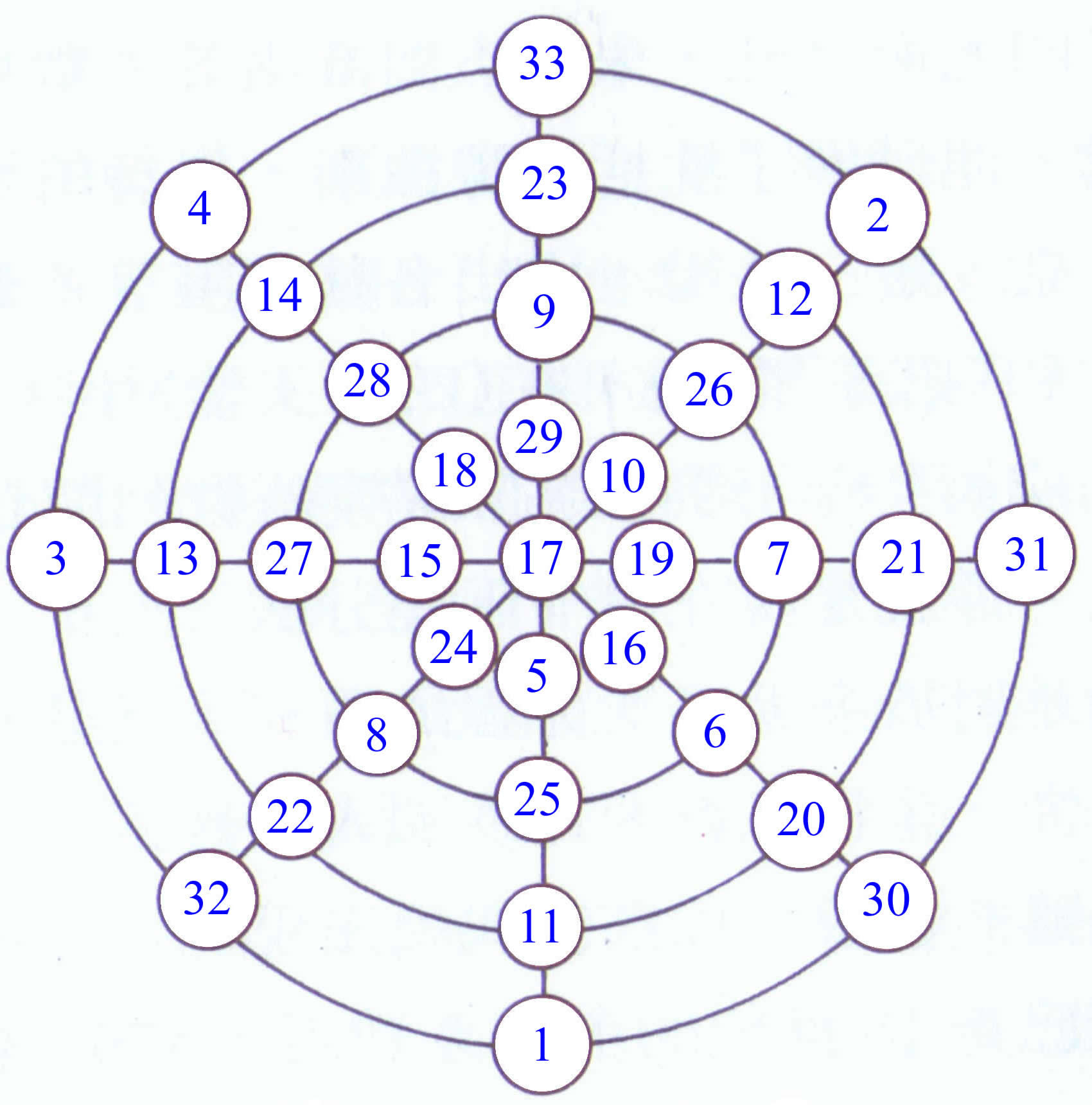 Figure
1.1
Figure
1.1
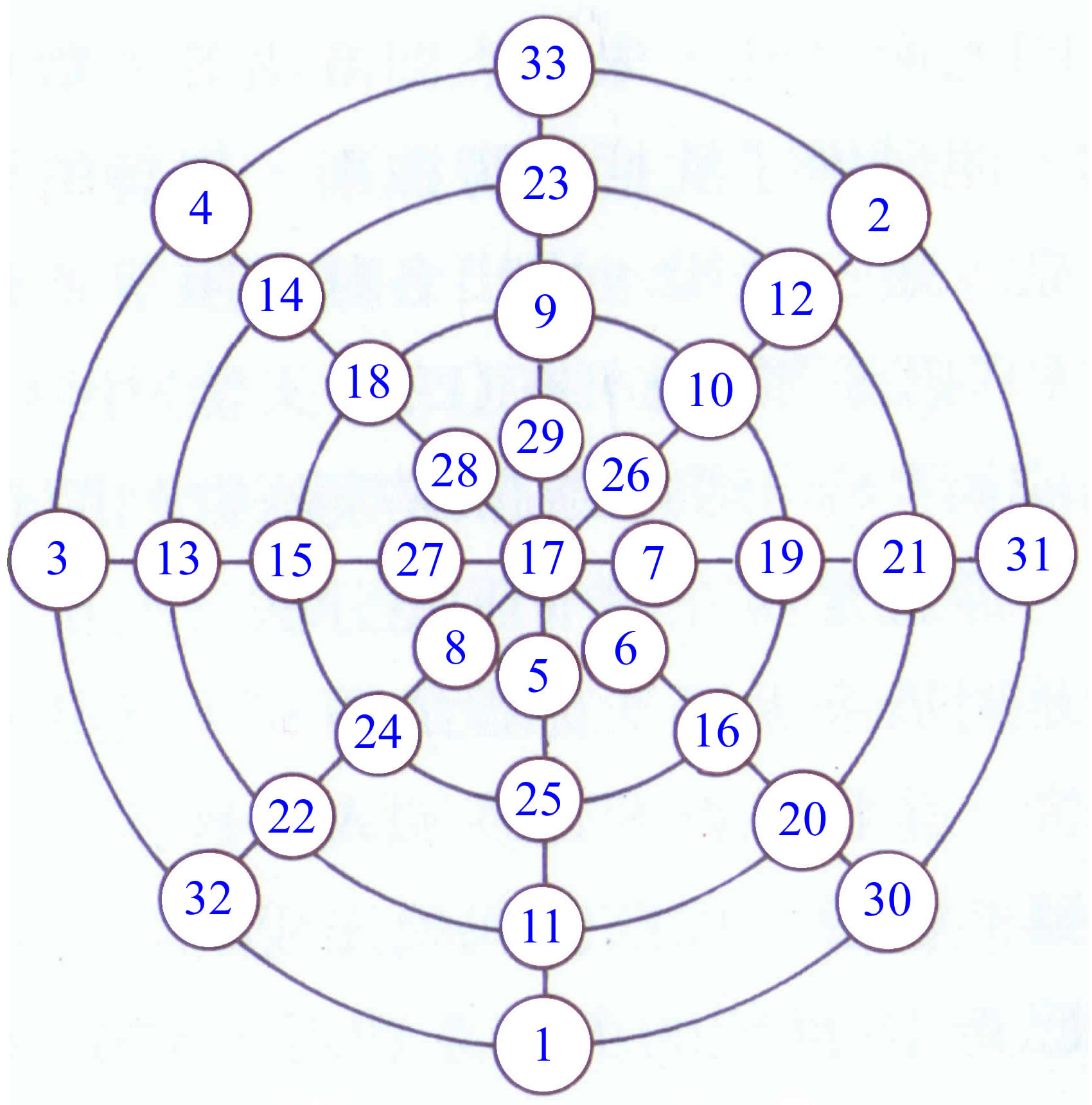 Figure
1.2
Figure
1.2
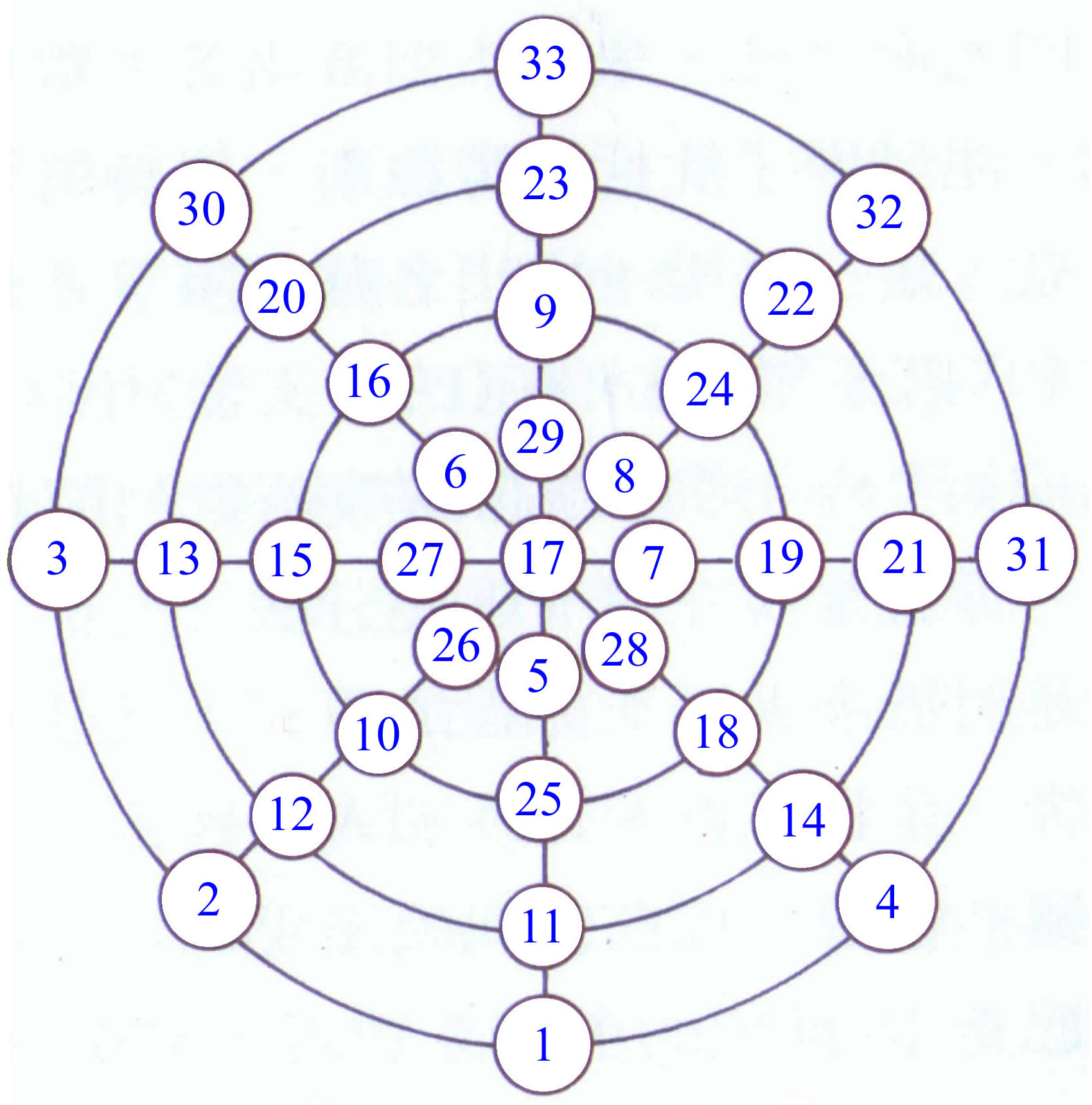 Figure
1.3
Figure
1.3
 Figure
1.4
Figure
1.4
Further, I also created the following
two 7-layer magic circles. If we exclude the central number 29 which is the
middle number of the series from 1 to 57, the sum of the numbers on each circle
is 232, and the sum of the numbers in each straight lines is 406. These magic
circles are constructed basing on a series of 57 consecutive natural numbers
from 1 to 57.
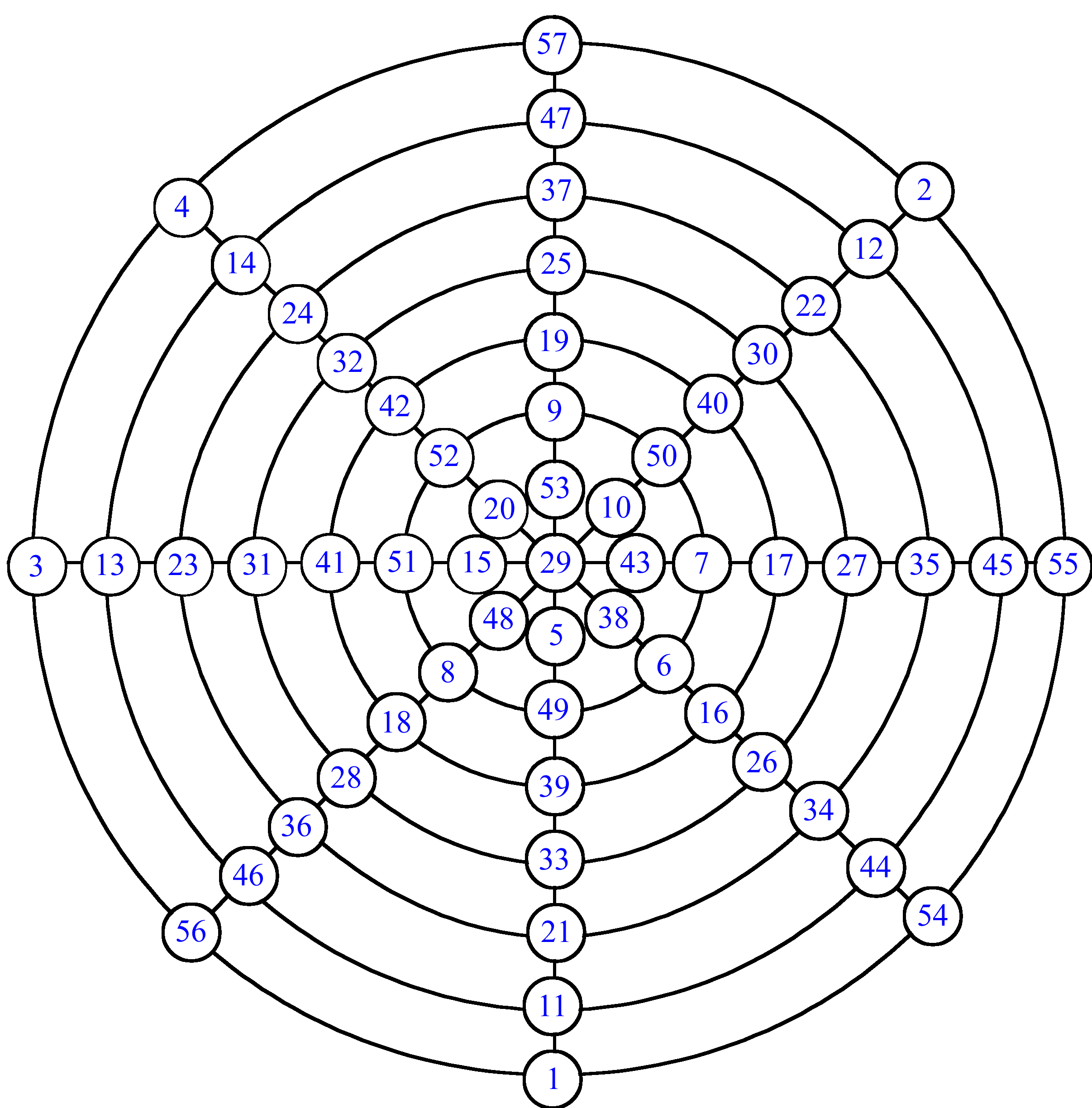
Figure 2.1
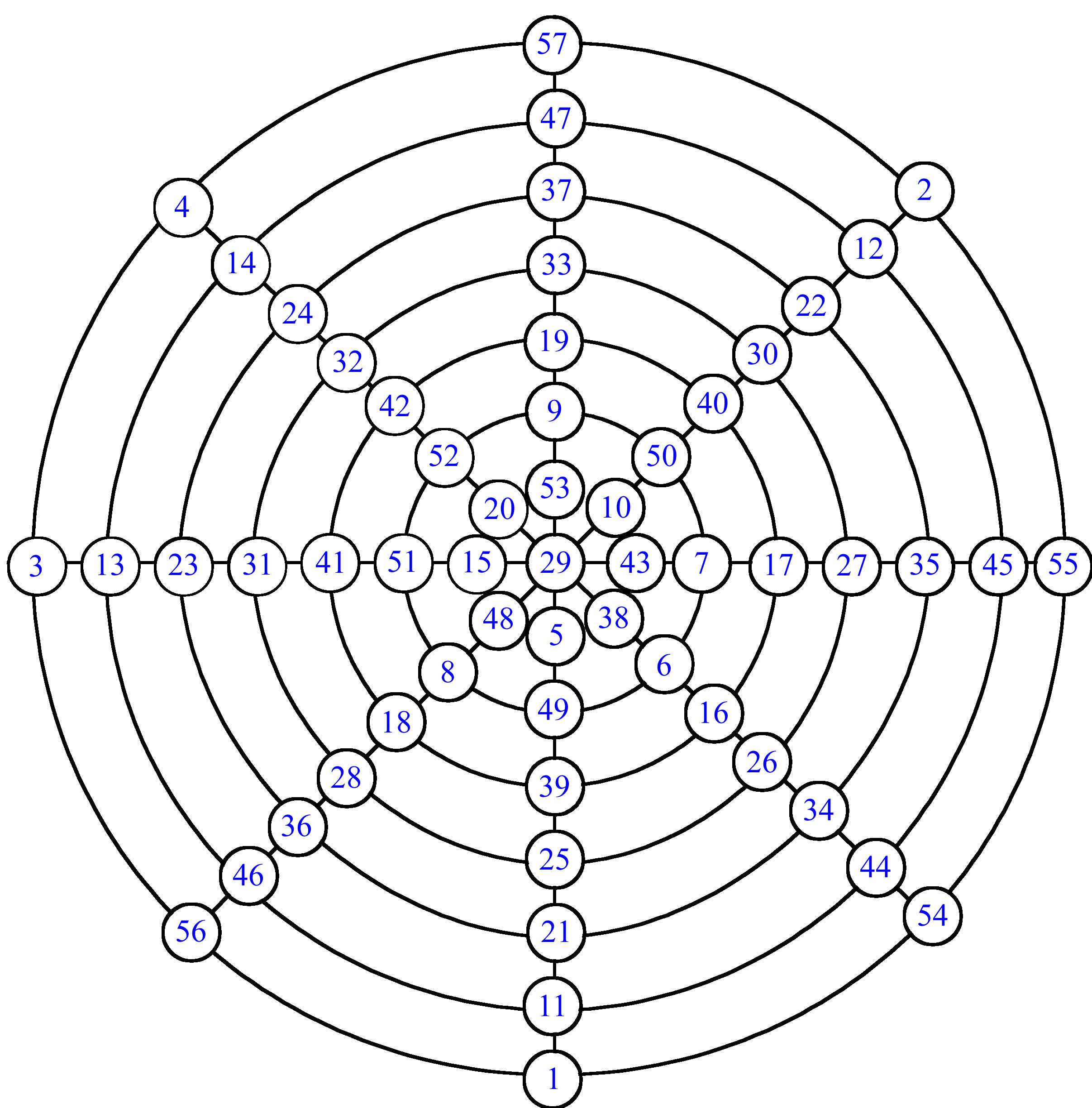
Figure 2.2
Reference:

(Written on November 1, 2002
by (Keith) HUNG Kut Man)
Again we can construct a magic circle
of n layers by Excel, where n = 4, 5, 6, 7,.... For instance, if we want to
construct a magic circle of 9 layers, then we highlight with different colors
an area of 19 x 19 cells in Excel, where 19 = 9 layers x 2 + 1. (In general,
if we want to construct a magic circle of n layers, an area of 2n + 1 by 2n
+ 1 cells is needed.) The following is an example.
Because it is a 9-layer magic circle,
73 (9 layers x 8 no./layer + 1 central no. = 73) consecutive numbers are needed.
If we choose 7, 8, 9, 10,...77, 78, 79 as the consecutive numbers, the middle
no. is (7 + 79)/2 = 43. First, we put 43 to the center of the highlighted cells.
Second, we put the 1st number, i.e.
7, anywhere in one of the green cells. Then, put its counterpart, i.e. the last
number 79, to the cell which is directly opposite with respect to the central
number.
Third, we put the 2nd number, i.e.
8, anywhere in the remaining green cells. Then, put its counterpart, i.e. the
second to last number 78, to the opposite cell.
By the same token, after we have put in all the numbers, the following magic
circle is constructed. If we exclude
the central number 43, the sum of the numbers on each circle is 344 = (first
no. + last no.) x 4 pairs, and the sum of the numbers in each straight lines
is 774 = (first no. + last
no.) x 9 pairs.
|
62
|
|
|
|
|
|
|
|
|
17 |
|
|
|
|
|
|
|
|
9
|
| |
13 |
|
|
|
|
|
|
|
65 |
|
|
|
|
|
|
|
22 |
|
| |
|
71 |
|
|
|
|
|
|
29 |
|
|
|
|
|
|
26 |
|
|
| |
|
|
32 |
|
|
|
|
|
52 |
|
|
|
|
|
56 |
|
|
|
| |
|
|
|
41 |
|
|
|
|
79 |
|
|
|
|
33 |
|
|
|
|
| |
|
|
|
|
74
|
|
|
|
37 |
|
|
|
19 |
|
|
|
|
|
| |
|
|
|
|
|
48 |
|
|
39 |
|
|
46 |
|
|
|
|
|
|
| |
|
|
|
|
|
|
78
|
|
55 |
|
35 |
|
|
|
|
|
|
|
| |
|
|
|
|
|
|
|
11 |
25 |
58 |
|
|
|
|
|
|
|
|
| 23 |
18 |
27 |
10
|
72 |
36 |
70 |
44 |
20 |
43
|
66 |
42 |
16 |
50 |
14 |
76
|
59 |
68 |
63 |
| |
|
|
|
|
|
|
|
28 |
61 |
75
|
|
|
|
|
|
|
|
|
| |
|
|
|
|
|
|
51 |
|
31 |
|
8
|
|
|
|
|
|
|
|
| |
|
|
|
|
|
40 |
|
|
47 |
|
|
38 |
|
|
|
|
|
|
| |
|
|
|
|
67 |
|
|
|
49 |
|
|
|
12
|
|
|
|
|
|
| |
|
|
|
53 |
|
|
|
|
7
|
|
|
|
|
45 |
|
|
|
|
| |
|
|
30 |
|
|
|
|
|
34 |
|
|
|
|
|
54 |
|
|
|
| |
|
60 |
|
|
|
|
|
|
57 |
|
|
|
|
|
|
15 |
|
|
| |
64 |
|
|
|
|
|
|
|
21 |
|
|
|
|
|
|
|
73 |
|
|
77
|
|
|
|
|
|
|
|
|
69 |
|
|
|
|
|
|
|
|
24 |
P.S. (written on November 2,
2002) If you want to make a perfect magic circle, i.e. the sum of all the
numbers on every straight line or circumference is the same, you can add straight
lines passing through the central number and expand the consecutive series.
The total number of straight lines should be equal to the number of layers that
you want to create.
Question (written on November
3, 2002):
Prove that if a perfect n-layer
magic circle (i.e. having n straight lines passing through the central no.)
of a consecutive series is created according to the above method, the sum of
all the numbers on every straight line or circumference is 2n(first no. + n2).

[Recurring
Pattern] [Relation with
the Magic Square] [Create a Magic Square by Excel]
[Magic Circle = Magic Polyhedron
?]
[6-dimensional Magic Cube] [Create
Magic Circle] [Something Other Than Mathematics (in
Big5)] [Home]