|
 Recycle Recycle
Recycling
involves the concept of waste classification. I am sure most of
should be met the three colored recycling bins in Hong Kong.
They are widely distributed in many housing estates, schools, railway
stations and public areas, to collect three types of waste, namely paper
(blue bin), plastic (brown bin), and aluminum cans (yellow bin), for
recycling. Of
these, recycling of paper is relatively more popular and well-known.
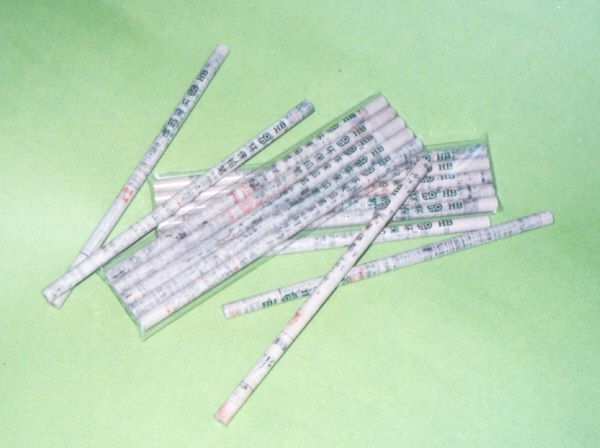
Newspaper pencil is an example product generated from wasted newspaper
recycling.
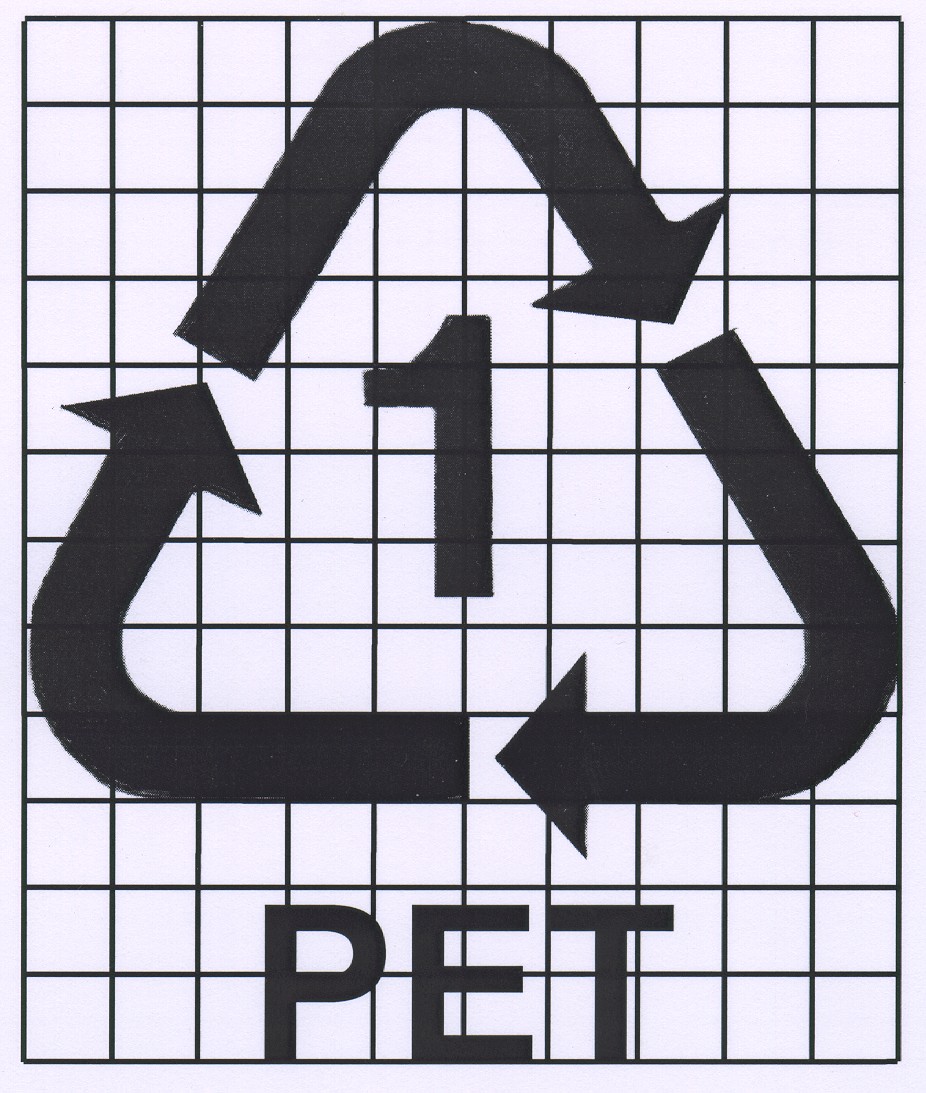
The recycling and recovery rate of the domestic waste is still low, at only 8 % in 1999. It is due to the following reasons: (1) Lack of public environmental education There is lack of environmental education among the public on waste handling. Besides waste classification, indeed the waste, like plastic bottle and aluminum can should be cleaned properly and taken off all wrapping paper before being put into the recycling bins separately. For the bottles or cans which have been dirtied due to not being cleaned properly will be rejected by the recyclers. This is one of the reasons why the recycling rate, especially for plastic bottle, is particularly low, when compared with paper. Moreover, not all kinds of plastic bottle can be recycled. In Hong Kong, only the plastic bottle labeled 1, 2, 3, which is mainly found at bottom of bottle, can be recycled. But the public rarely know about this, and put any plastic-related products into the recycling bins. Therefore, though the bins are seemed to be full everyday, the recycling rate is still low. For detail of the plastic coding system, you can visit the website of Environmental Protection Department on the Guideline of Plastic Coding System for Resin Identification. (2) Insufficient role taken by the government The government does quite a lot to equip with every housing estate with the three-colored recycling bins. But the role of the government is only limited to cater the bins, but no following-up helps for the households, like the outlets of the collected wastes. It results that the housing estates always find it difficult to handle the waste by finding an appropriate recycling contractor. Indeed, the catering of recycling is only a start of the whole waste recycling and classification programme. If the following steps are not worked out properly, the programme objectives can never be achieved. That is another main reason why the domestic waste recycling rate is still low. (3) Lack of incentives to recycle domestic waste The incentive for the recycling contractor to handle the domestic waste is relatively lower, when compared with Commercial and Industrial waste. As the public has no obligation to separate their waste and put into the bins, the recycling rate may not be up to the point that can cover the handling costs of contractor. That brings out another reason why the domestic waste recycling and recovery rate is still low. Unlike Canada, there is no legislation to bind the public participation in the recycling campaign. So, the public participatory rate can be very unpredictable. It also lowers the incentives for contractors to recycle the domestic waste if no government assistances, like tax concession and subsidy, are provided. In order to boost up the domestic waste recycling and recovery rate, an integrated recycling strategy is essential. The government should take the role of leadership, like Canada, America, and many European countries. An integrated strategy should include the components of public education, legislative support, and market incentives. Indeed, besides paper, plastics, and cans, even the food waste can be recycled, by using the method of "composting". The composted food waste can be used as fertilizer and even construction materials. But the feasibility of using this practice to minimize the disposal of food waste at landfills in Hong Kong is still under examination. |
||||
| Reuse |
Reduce |