Societal Choices Impact Biodiversity
in
Forest-Agroecosystem Matrix
Opportunities and Challenges of Biodiversity
in Human-Dominated Landscapes
Ant Diversity and Cultivation in Agroecosystem Gradient
Taro, Gift Economics and Social Exchange of Biodiversity
Concepts of Natural/Social Capital and Methods
Framing the Issues
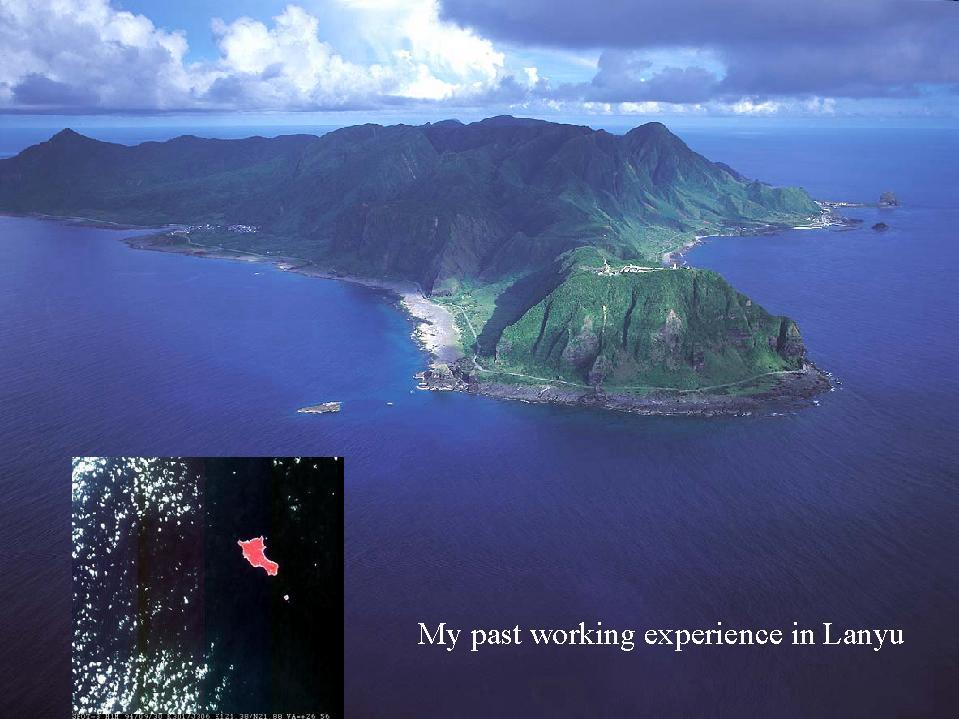
(Aerial Photo of Pongso no Tao, Lanyu)
Biodiversity or Biological Diversity
definition: all variety of living species on Earth, resource base, planetary
heritage
3 levels of biological variation:
genetic - the earth’s available gene pool
species - archetype of diversity
ecosystem - habitat to maintain evolutionary mechanism
Biodiversity Crisis & its Social Roots
duality of human life
nature/culture dualism mirrors environment-society relationship
emerging synthesis
dialectical pattern of paradigm change
crisis = environmental problems + social issues
Two values of biodiversity
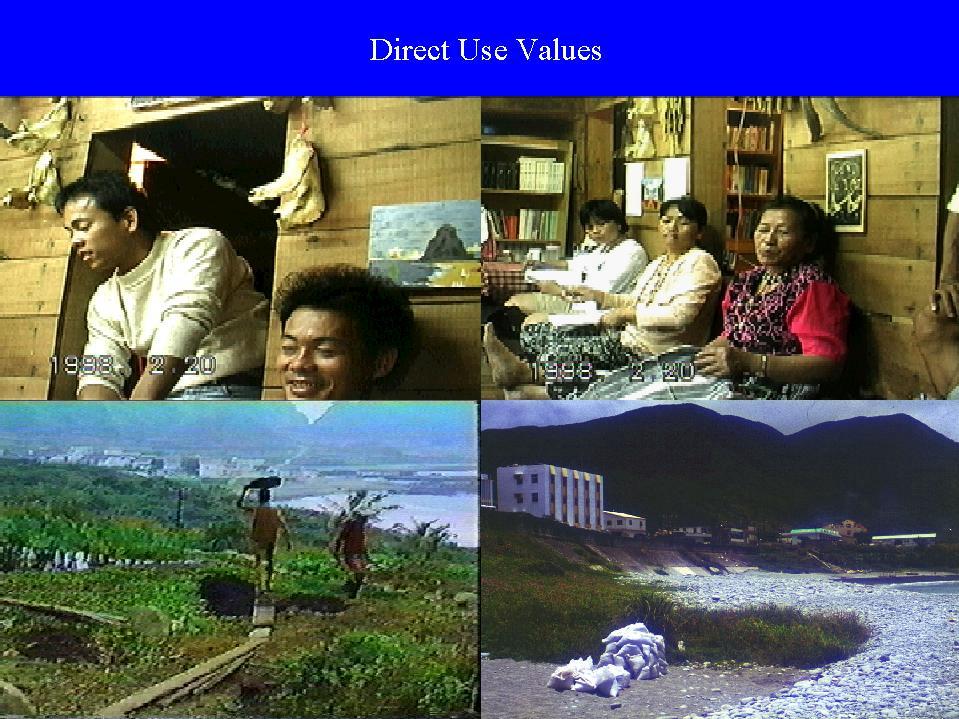
Value I: anthropocentric: goods, service, information & spiritual nourishment
for humans
Value II: ecocentric: intrinsic or non-utilitarian value - existence right for
full diversity of life forms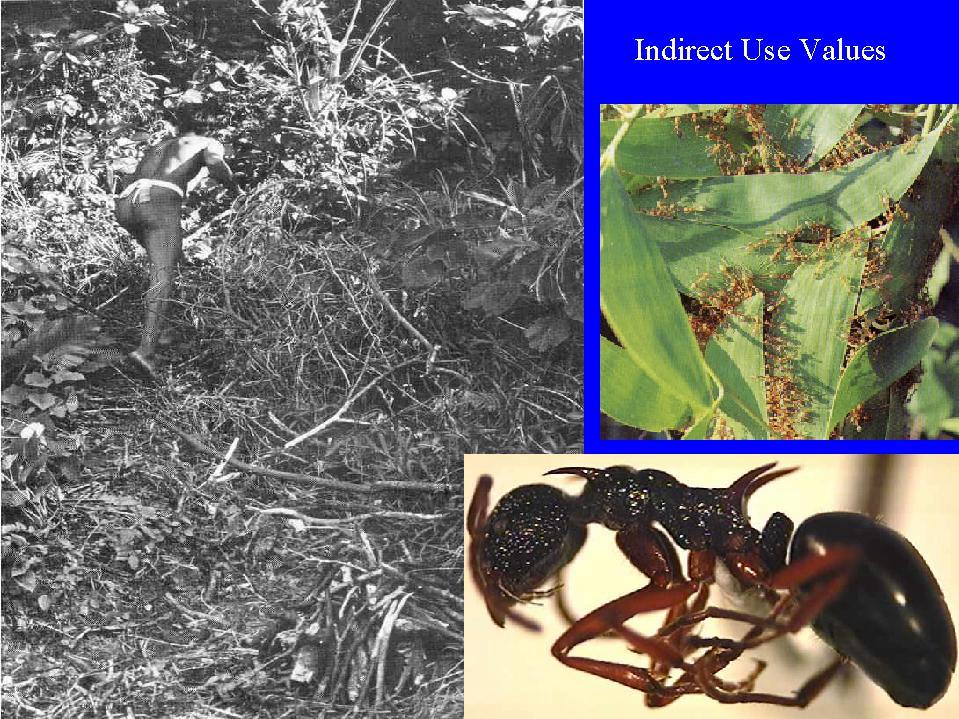
Why Biodiversity Declines?
greatest extinction of biological species in geological record since Cetaceaous
age human causes of declining biodiversity
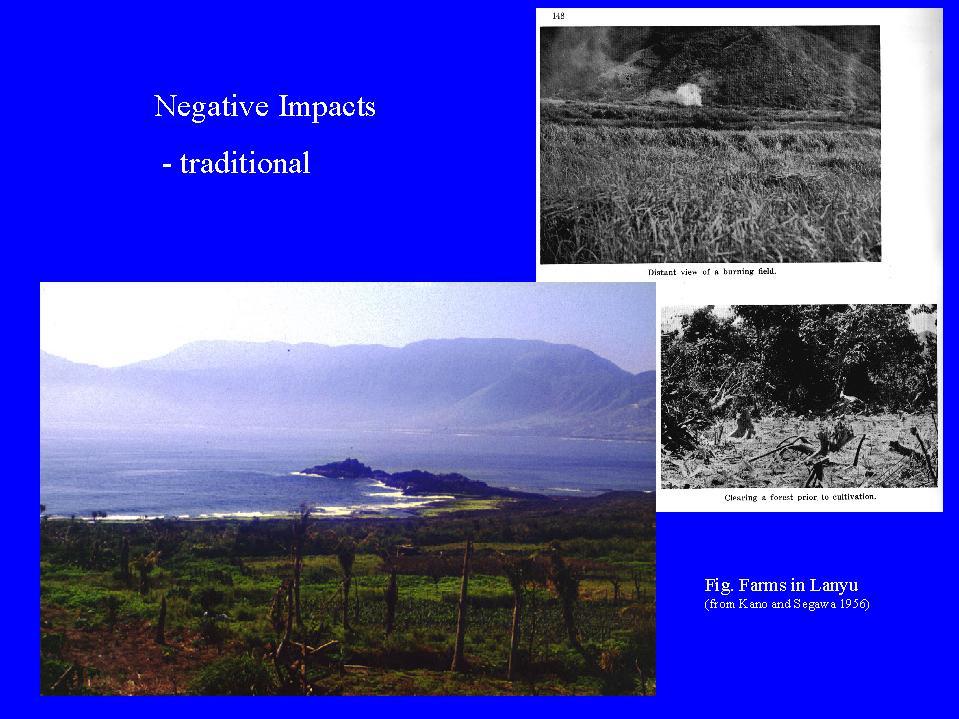
Human-Caused Impacts: Negative - species extinction & habitat fragmentation
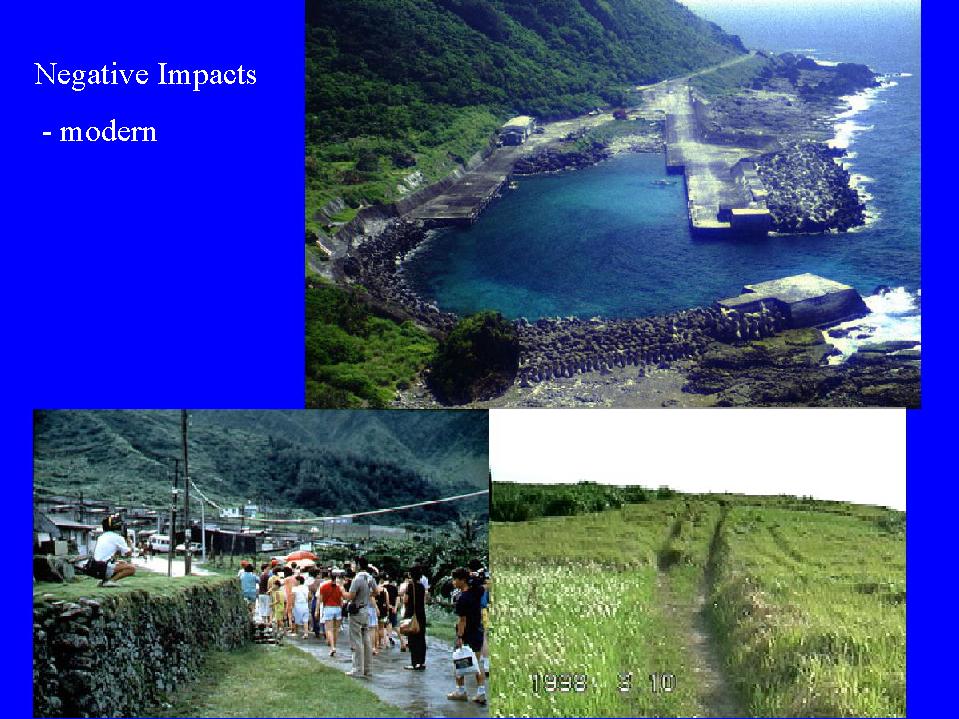
Human-Caused Impacts: Positive - collective choices on conservation efforts


Landscape Matrix in Agroecosystem - garden-like mosaics
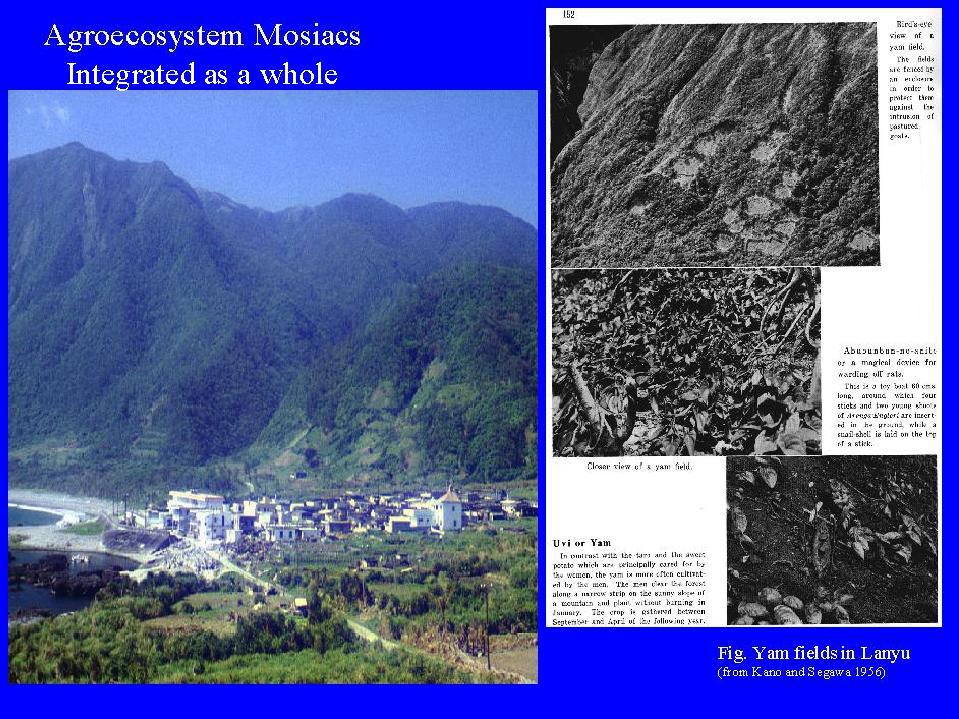
Biodiversity loss is a system problem of society.

Background of Study Area
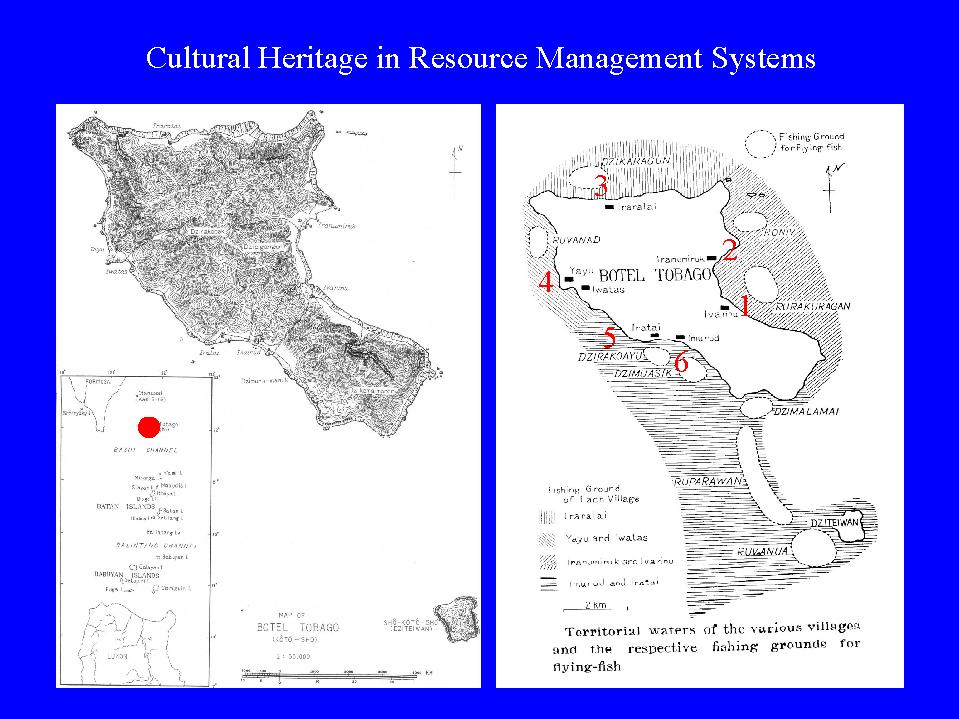
Pongso no Tao
Local name in Irara language ("island of human")
Lanyu in Chinese mandarin ("island of orchid")
Orchid Island in English

Geography
56 miles to Taiwan
40 miles to the Batanes of Philippine
46 square-kilometer area
Tropical Wet Climate
22.4 Cersus degree (72F) of mean annual temperature
260 cm precipitation for mean annual rainfall
high moisture (90% relative humidity for annual mean), windy
Premodern History
1877, the Ching Dynasty sovereign claimed within the territory of Chinese Empire
1895, Pongso no Tao was ceded to the Japanese along with Taiwan.
1895-1945 Japanese isolation policy
1945- the Chinese republican leader Chiang Kai-shek sent public servants, soldiers,
police and school teachers
in 1960s, first contacts with modern civilization including electronics, cash, tobacco
and liquor
Human Population in 1997 : 3500
20% were non-native residents (70 policemen, 300 government employees, and roughly
400 small-scale businessmen, taxi and trunk drivers, hotel staff)
80% were the original residents
Malayo-Polynesian-speaking Yami
Previous works of biologists and anthropological scholars
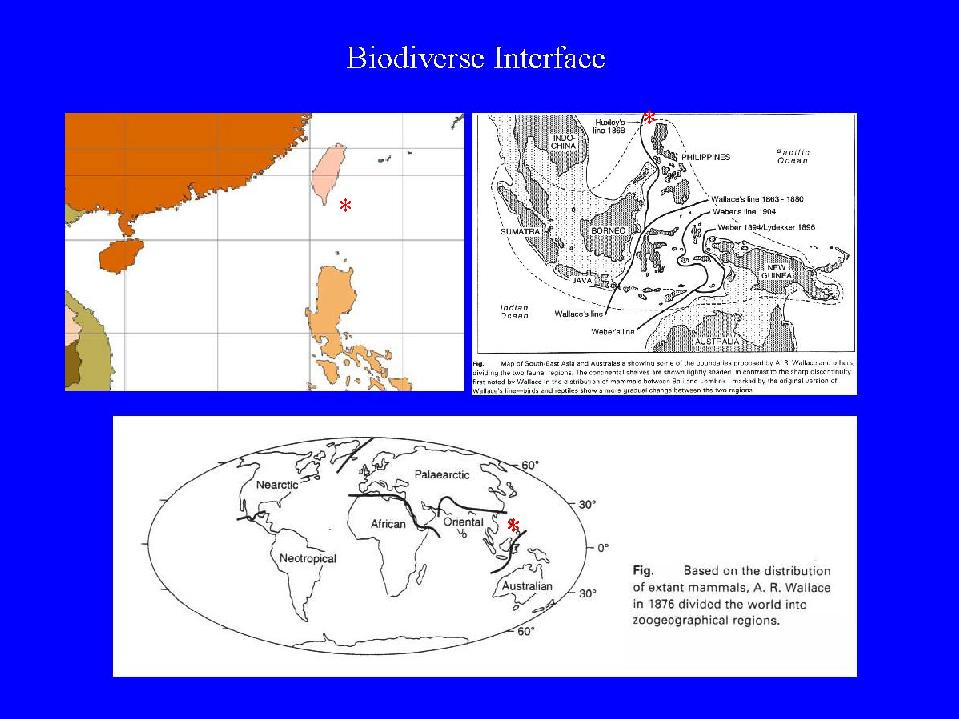
abundant biodiversity
close to 2 zoogeographical regions
Oriental and Australian zones
"noble salvage ethnography"
unique boat-fishing culture
primitive subsistence economy
physical features and material culture
taro agriculture, fishing, architecture, craft, etc.
Cultural Context: modern cultural
changes
unemployment, landlessness, poverty and cultural dissolution
challenge the traditional stereotype of "noble savages"
need modern studies to update


Social Context: community is not homogeneous...
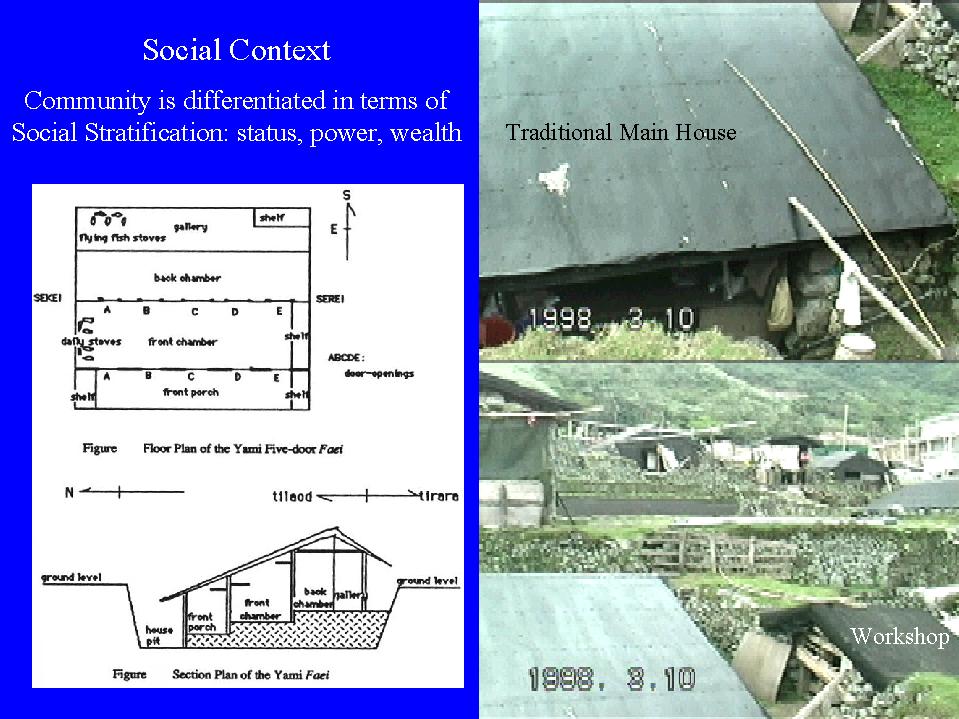
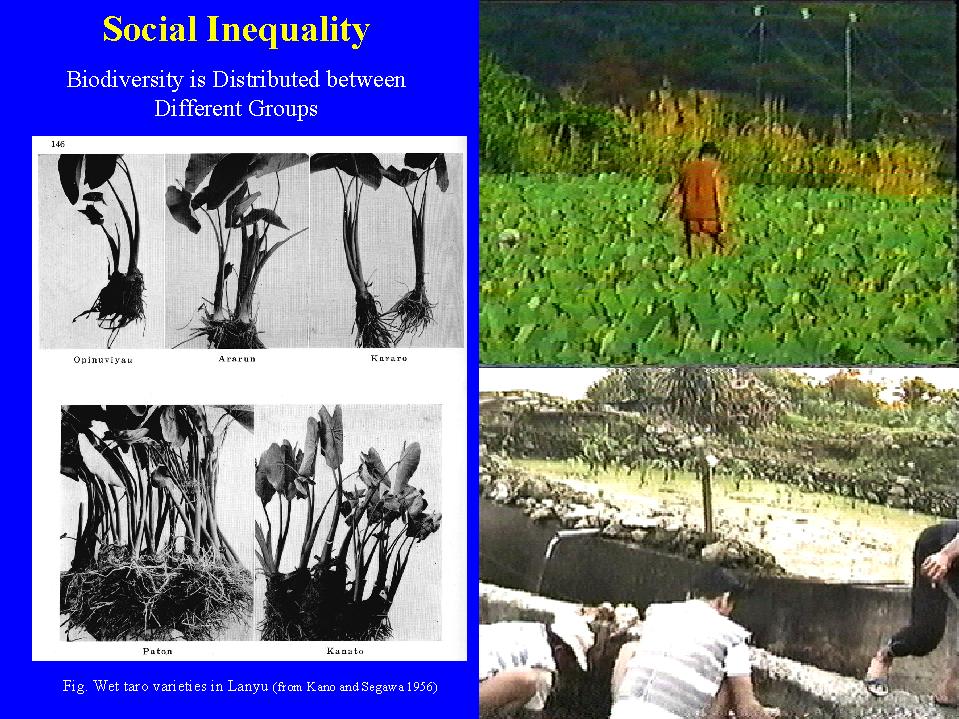
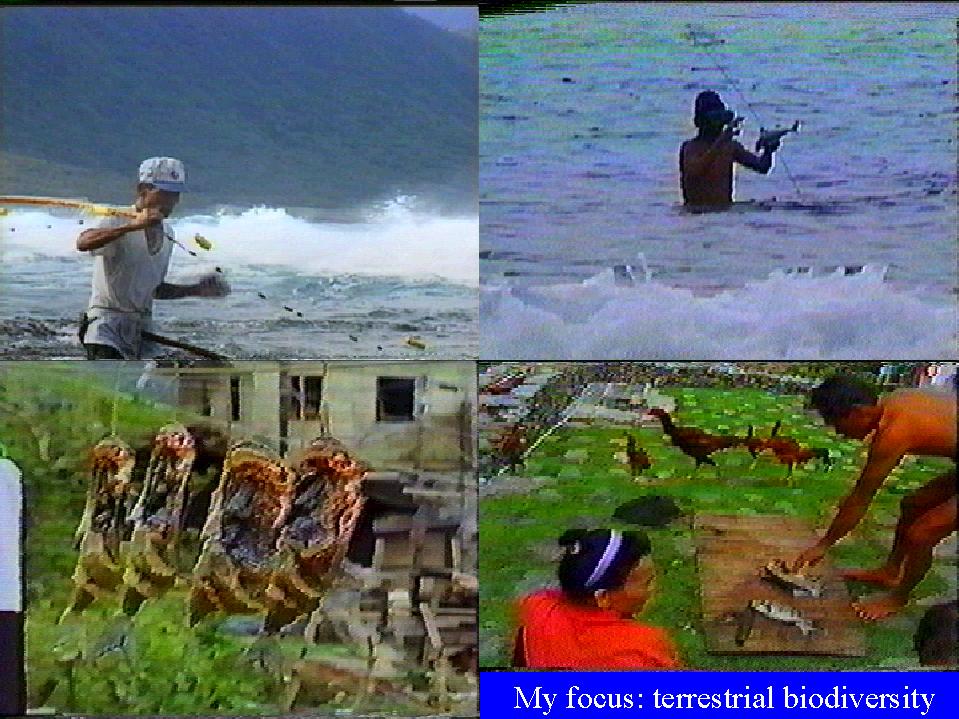
Economic Context: fishing is the main economic activity. Knowledge is the central asset in their social life.

Gendered Nature
reflected in their diet and spatial segregation of work.
two categories of major food
kanen (staples)
yakan (supplements).
women are responsible for planting staples in farmland (paddies and dry fields)
men are expected to produce supplements in orchards (tree tending areas)
gendered roles, strategies and perspectives provide a good start to analyze differential
access to biodiversity goods
Women in Agriculture and Crop Selection
selecting crop genetic resources
choosing the best genetic strains of their crops
simultaneously maintaining genetic diversity
feed their children and to sustain family survival
microscale practice:
keep healthy and productive taro clones.
intentionally keeping productive strains by replacing leaves of harvested water taro.
macroscale practice:
farm system always includes a number of patchy and dispersed plots
conflicts?
Yami women don't seem empowered by their local knowledge
acquired through playing a decisive role in research, policy-making, and implementation
processes.
women used to keep large taro feeding families and replant again, send to close relatives
How do the Yami women implement biodiversity-maintaining practices, if potentially
those practices run counter to policy
Men in Agroforestry & Forest Management
seasonal forest and land management
fishing at sea for migratory flying fishes (late February to June)
in the rest of the year, manage their orchards and bush lands quite frequently.
Two primary influences by men
select specific plants as target crops
lumber trees, firewood
endemic fruit trees
forest management practices: fire
improving soil fertility by ash treatment
reducing crops' pest or disease.
forest gap formation and seedling regeneration in rain forest
To be continued...
Ant Diversity and Cultivation in Agroecosystem Gradient