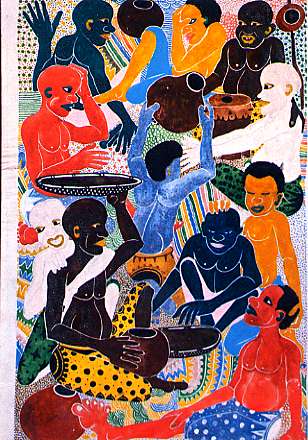
The main ethnic groups in the region, which each have their own language, are Wamwera, Wamakonde, Wamakua, and Wayao. Nowadays everybody understands and speaks Swahili.
In this southeastern part of Tanzania, the adherents to the religion of Islam far outnumber the Christians and the few traditional religions. Being in a rural area, we have no industries whatsoever. The vast majority of our people are subsistence farmers, eking out their existence by planting maize, cassava, cashew nuts, rice and millet. Many kinds of green, red and yellow vegetables flourish below the palm trees as well as cashew nuts, mangoes, papayas, bananas and other fruits. Maintaining buffer stocks of food is a problem. Various villages are making serious efforts to keep cattle, sheep and goats.
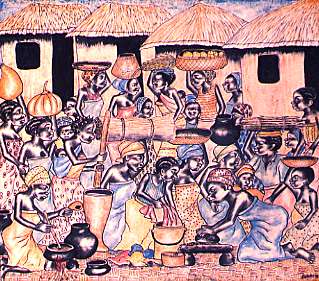
The hospital has educational and Primary Health Care projects to encourage good nutrition in the home. Throughout the year, the people have to rely on wells and rivers for their water supply. The distance from home to the source of water usually exceeds 2 km. Only 30% of the inhabitants of the Lindi Region have access to clean water. In general the water is not safe for human consumption without boiling, however, deep-rooted traditional beliefs have tempted people to use river water without boiling. This is the major cause of recurrent cholera epidemics and endemic for amoebic infection in our area . The hospital has got its own supply of safe water 30m deep underground
The most common diseases treated in the hospital clinics and among admitted patients remain similar throughout many years. Firstly, there are malaria, and other common diseases include upper respiratory tract infections, cardio-vascular disorders, intestinal infections and anemia. HIV/AIDS remain on the 8th most common disease among admitted patients and tuberculosis is 9th place. Lindi Region still has low rate of HIV infected population, below 4%. The avarage rate for all country is 7%.
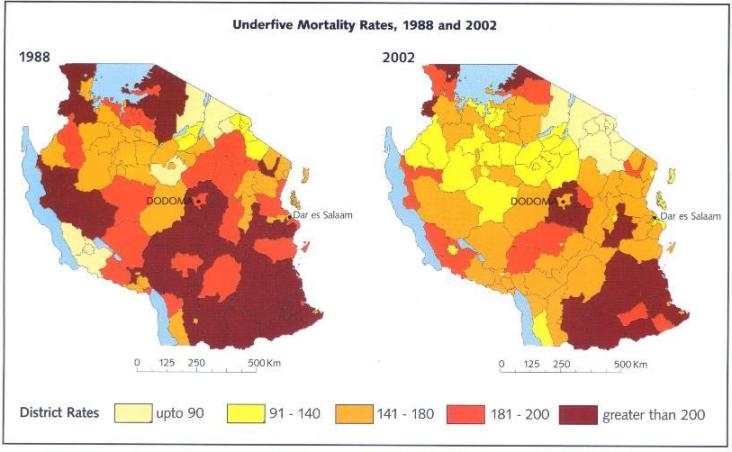
In the last years there is increase in the number of victims of trafic accidents, especially motocycle accidents. In the whole of South-Eastern Tanzania, there is a lack of proper equipment and expertise among medical personnel about how to treat fractures, and this creates real problem. Maternal mortality remain high and despite of creation new District Hospitals (Ruangwa and Tandahimba) there is no signs of improvement. Side effect of poor obstetrical care are still exist with woman developing obstetrical fistulas (more commonly called VVF). Nyangao Hospital is one of the few hospitals in the country which is provides a full range of surgical treatment for woman with VVF. There is well organized project called Women Dignity Project on national scale, and Nyangao Hospital is participates in this project.The southern zone of Tanzania has the worst performance of underfive mortality rates in the country, with rates which are 40% to 50% greater than in other parts of the country.