|
|
|
|
|
|
|
|
 |
|
|
|
|
|
|
|
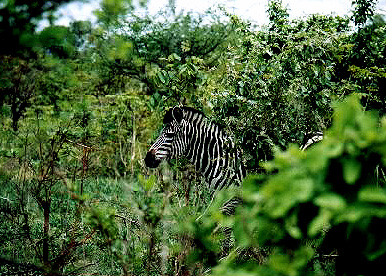
It
took time to develop an "eye" for spotting animals in the bush. Above,
our first zebra spotting.
We would see
many animals in the open in the next few weeks, but would never forget
these first glimpses. |
|
|
|
|
|
|
This
is Phanuel, our intrepid guide the first day. Phanuel is a great story-teller,
and kept us entertained in the evenings at the lodge. The Zimbabwean safari
guides go through rigorous training, and were wonderful both because of
their knowledge and their great enthusiasm
|
|
|
|
|
|
|
|
|
 |
|
|
|
|
|
|
|
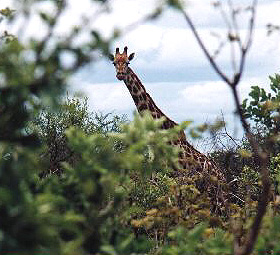
Even
I could spot the giraffe! Giraffes are popular grazing companions for other
species, like zebra
and impala,
because their periscopic neck and
sharp eyesight
provide early warning if predators
are nearby. |
|
|
|
|
|
|
And
our intrepid jeep, like all the vehicles on these drives, was a Toyota
4-runner. In Zimbabwe open vehicles are permitted in the game parks (unlike
Kenya, for example). This one took a beating, but I wonder how they would
fare in snow and ice?
|
|
|
|
|
|
|
|
|
 |
|
|
|
|
|
|
|
| There are lots
of baby animals in the rainy season, but they are sometimes harder to find.
Above, a baby impala with mum. |
|
|
|
|
|
|
Keith
has spotted something intriguing to photograph here... an impala or kudu
perhaps, hidden in the bush
|
|
|
|
|
|
|
|
|
 |
|
|
|
|
|
|
The
roads through Hwange National Park varied; sometimes paved, sometimes a
dirt road, depending on what we were looking for. When we spotted wildlife,
the guide would shut off the engine and we would coast as close to the
animal as we could get. Guides were permitted to leave the jeep; tourists
were not.
|
Elephants
have poor eyesight, but a keen sense of smell. This elephant is waving
his trunk in our direction, to catch our scent. Our guides told us that
elephants see a large blurry animal (us in the jeep) which makes an odd
clicking and whirring sound (our cameras). So far these strange creatures
(tourists!) have not proven threatening, though elephants are naturally
more cautious when
there are young |
|
|
|
|
|
|
.Hwange
has been almost too successful in its conservation efforts: the park can
support 12,000 elephants but at the time of our visit we were told the
population had swelled to over 20,000. We saw the results of this
overpopulation: great tracts of land completely destroyed. Because
these gentle giants are devastated by the death of one family member, the
elephant culling program wipes out entire families of breeding elephants.
|
|
|
|
|
|
|
|
|
 |
|
|
|
|
|
|
|
| Above is a family
with a young elephant to protect. |
|
|
|
|
|
|
Yes,
a "zebra crossing".
|
|
|
|
|
|
|
|
|
 |
|
|
|
|
|
|
|
| The
young elephant continues munching while crossing the road |
|
|
|
|
|
|
Storks
gather in a tree at dusk
|