Luxury saloon
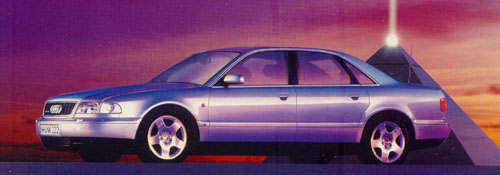
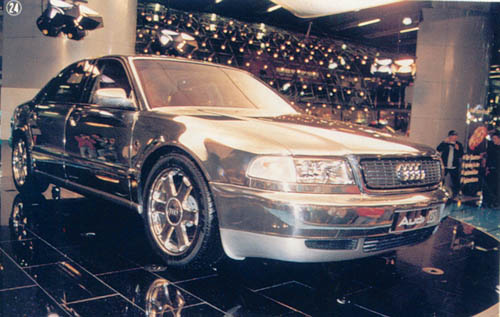
The A8/ S8 was essentially a production version of the Audi ASF concept (shown below under section Concept). Audi was the eagerest automaker and the first to bring an all-aluminium bodyshell to its flagship saloon (A8/ S8) and concept supercar (the Avus). The ASF (Aluminium Space Frame) bodyshell helped the A8 to undercut its steel-bodied rivals in weight and fuel consumption yet retained the rigidity of the traditional steel bodyshell. The best of all benefit of an all aluminium bodyshell was, needless to say, that it was rust-free. Of course the rarity of car with such bodyshell meant owners will have to bear high charges in case of a repair.
The A8/ S8 showed blood resemblance in a sporty and low-stance profile with the previous flagship, the Audi V8, though the lines of the former was softer and rounder. The A8/ S8 gave an immediate impression of an enlarged Audi 100/ A6 and styling was very understated. Not intended to draw attention by its size but its attractive and tasteful lines. Like the BMW 7-series the A8/ S8 was never designed to be a sheer saloon as the Mercedes W140, but rather maintained a reasonabe size and a sporty, driver-oriented profile. A handsome, sporty yet understated luxury saloon with touches of aluminium and technology.
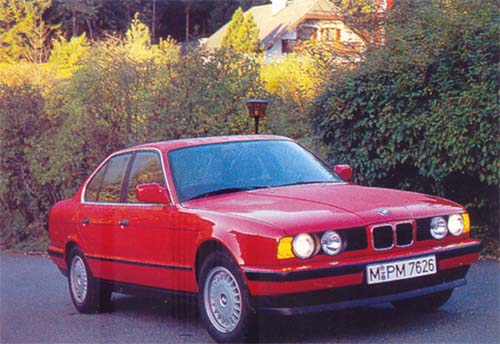
Like its bigger brother E32 7-series, the E34 5-series was designed by the Italian Ercole Spada. Design theme of the E34 was obviously carried over from the 7-series, but a shorter tail and wheelbase had given the E34 a little rounder yet well balanced shape. A hallmark BMW design in the 80s.
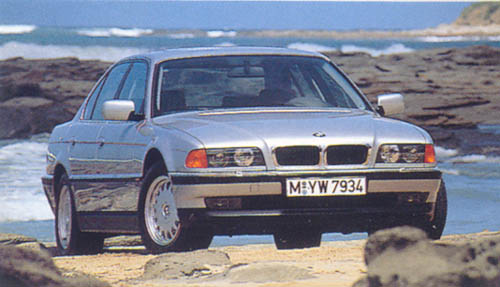
Designed by Italian Ercole Spada (now IDEA), the creative Turin group responsible for Fiat Tipo (source: Motor magazine: Jun 25, 1988). A finely sculpted, characterful and well balanced shape. The wider kidney grille, first appeared to dignify the powerful flagship E32 750iL in 1987, had shown all future BMWs what the grille of a top-of-the-line 7-series should look like. Over years the grille treatment still looked good.
Debut in 1986 as 6-cylinder 735i, the E32 had made a number of achievements. The drag coefficient of 0.32 Cd was a huge improvement over the 0.42 of the previous E28 predecessor.
In 1987 Geneva Motor Show, the BMW debut their flagship, the E32 750i/ 750iL.
In 1992, the E32 series received a facelift mainly on engine upgrades. The model gap between the 6-cylinder 735i(L) and V12 750i(L) was filled by the new 730i(L) and 740i(L), which were fitted with newly developed 3.0 to 4.0 V8 engines respectively.

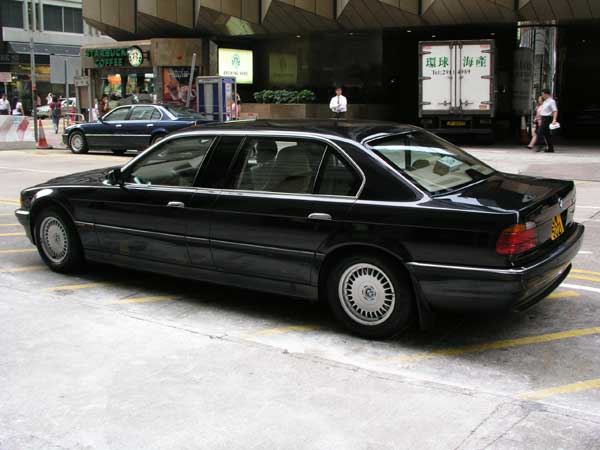
The E38 7-series virtually carried forward most of the design from its predecessor. Short of excitement was the market initial reaction but people soon after started to appreciate the straight carry-over. The original low-stance shape and proportion of the E32 had earned welcoming market responses and it was politically correct for the new car to follow such an established design tradition. Sourced from the E32, the contours of the E38 was well executed and refined, giving the car a very sporty and handsome look. While the Mercedes S-class (W140) grew bulkier and taller with a high bootline, the E38 remained its moderate size and a low-stance. Since designs of the two brands got more diversed, the Mercedes and BMW both won their own royal fans. The styling of the E38 body was more suitable for limousine conversion than the previous Sevens and BMW had did its own stretched version E38, named as the L7.
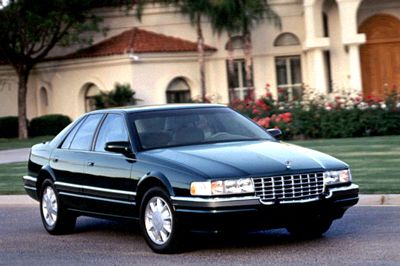
This Seville set the milestone for modern Seville. Distinctive edgy styling stood out from other Cadillacs and mainstream American sedans, and provided inspiration for the new-age edgy Caddies such as CTS and XLR. Inherited the very original design concept, the well-executed edgy styling of this Seville generation was more agressive and pleasingly distinctive than its similar shaped but more tune-down and understated successors. In my opinion, the 1992 Seville even showed some surprising resemblance to the Aston Martin Lagonda, at some angles from the side.
The 1992 Seville was the Cadillac's clear statement made to the world in the early 90s that Amercian luxury sedans did not have to be bulky and loud, in fact it could mix luxury and sportiness well together as other European and Japanses counterparts had done. Such direction stayed unchanged for several Seville generations till now.
Review by auto.consumerguide.com
Designed by Bertone, the XM was an extraordinary luxury saloon with a forward shape yet showing family resemblance to the BX. An extremely wedged front and a raised end created a body which achieved an exceptionally low drag figure of 0.28 (or 0.30, depends on model).
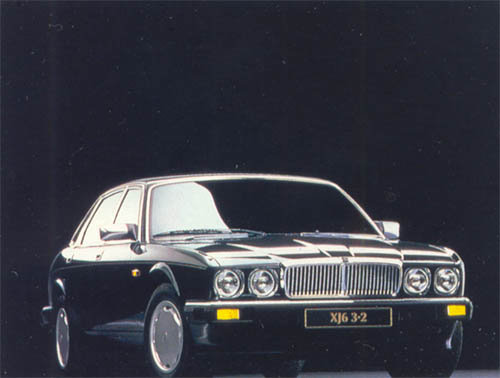
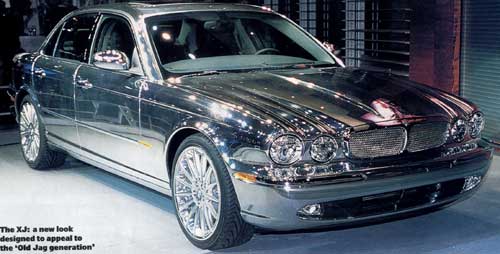
The XJ40 was introduced in 1986 to rival the Mercedes W 126 and the upcoming BMW E32 Sevens. It carried the basic bodylines that were drawn from the last XJ6, but the lines were more angular and the rippled bonnet lines were smoothened out. The car seated lower, with longer front and rear overhauls. Rectangular headlamps on the more expensive XJ40 models were first-of-its kind for the Jaguar, while traditional round headlamps were used by the less pricier basic models. Overall, this elegantly shaped Jaguar saloon had created a modernly interpreted profile for the next two coming XJ generations.
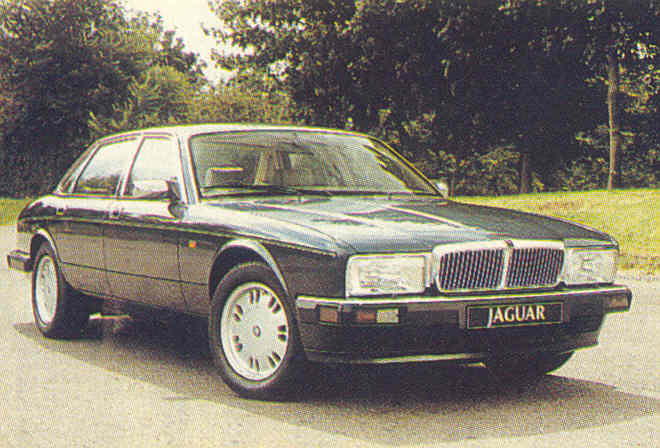
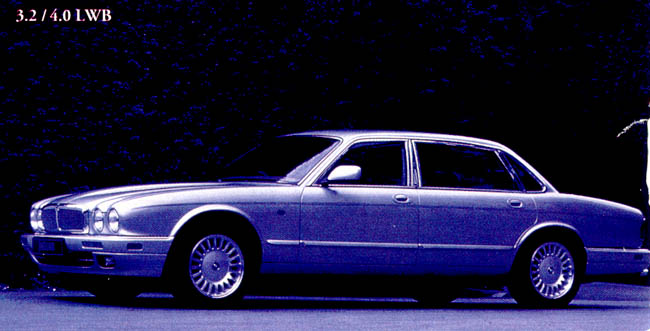
The X300 retained the mature proportioning and contours of the last XJ40. The sculpted bonnet lines and round headlamps on the older XJ6 were back. As before, there were extensive use of chrome touches on X300. Underneath the familiar Jaguar shape derived from XJ40, the X300 represented a leap forward in build and electronic reliability. With Jaguar newly acquired by Ford, the latter offered more reliable electronic parts to cure the reliability issues of the outgoing car. Still, the rear compartment of the standard wheelbase models was cramped compared with most of its adversaries.
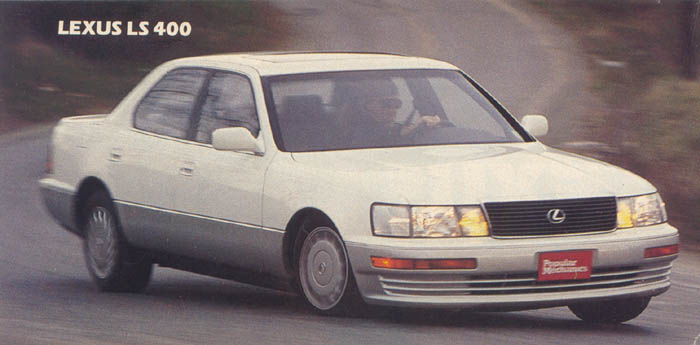
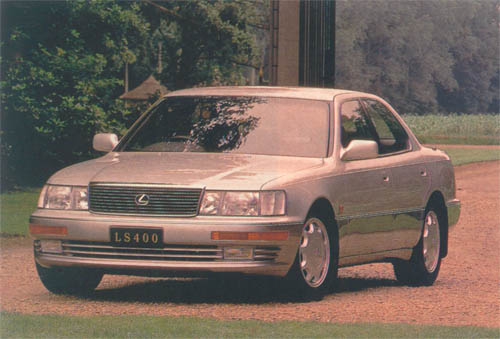
When Toyota introduced the LS400 in 1989, many had words about the blandness of the styling and brandless of the make Lexus itself (if one treated the LS400 as a Toyota, like what it was known as Toyota Celsior in Japan, the car was far from anything brandless).
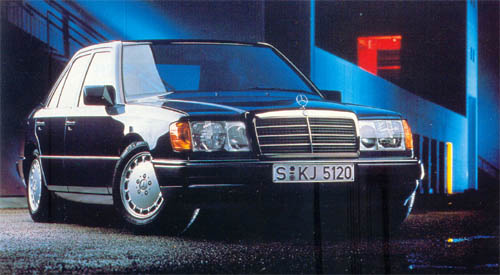
The basic shape and proportioning of LS400 were no doubt a direct copy of the Mercedes W 126 saloon, the leader of the world's best luxury saloons and a timeless design which the former was aiming at. The exterior of LS400 looked like a flushed W 126 with smoothened out surfaces from most angles. Over years the cloned shape had grown with time in people's eye. At least it had many got used to. In fact the LS400 (both UCF10 and UCF20 shape) started to look better and special, and few other Japanese saloons could match the LS400 for exterior design sophistication. Not even the new LS430.
Time had proven Toyota had chosen the right direction. And the W 126 rooted design was well paid off: it had given the LS400 a long lifecycle of 11 years, outlasted even many traditional luxury cars from other makes.
Despite a borrowed styling, the LS400 had made a true legendary history for Toyota on the stage of the world luxury automobile. As LS400 was a new horse of the game, it had to be very good in areas other than styling in order to succeed its mission. Yet it did. There were few holes about the areodynamics, build quality, engine and bodywork engineering. Definitely the Toyota engineers tried hard to seek innovations in every possible areas in the LS400 construction. Best known for its slient cabin and ride refinement, the LS400 soon stood proud alongside with other competitors and had successfully established a solid foundation for future Lexus cars. With the goodwill the LS400 had built for the brand Lexus had truly made a class of its own.
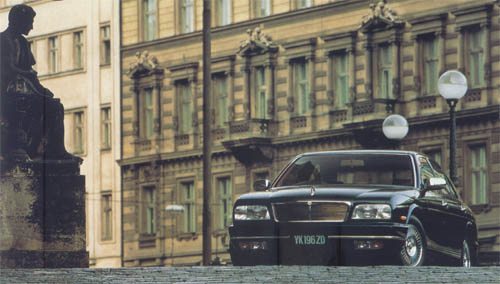
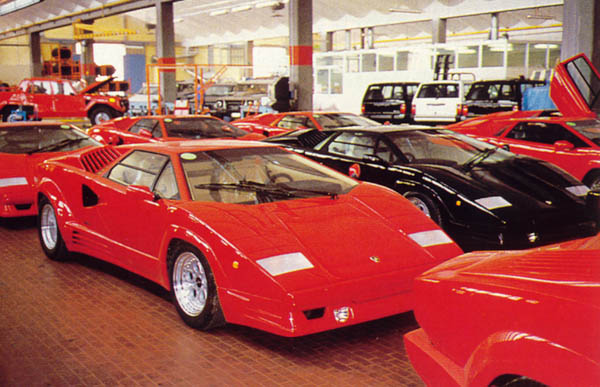
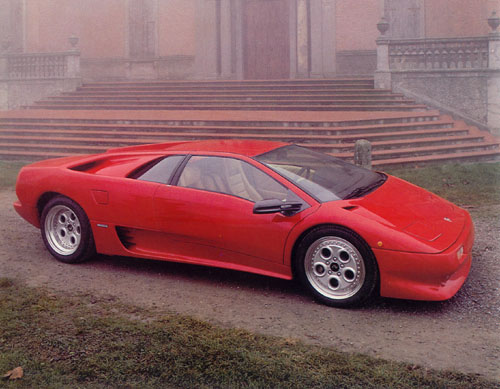
Designed by Marcello Gandini.

Luxury coupe
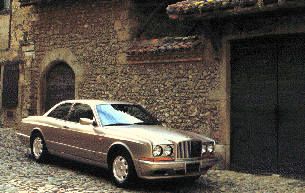
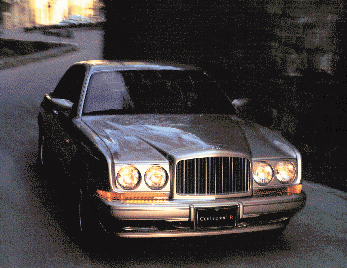
Unveiled in 1988 at the Birmingham Motor Show. Styled by the John Heffernan and Ken Greenley.
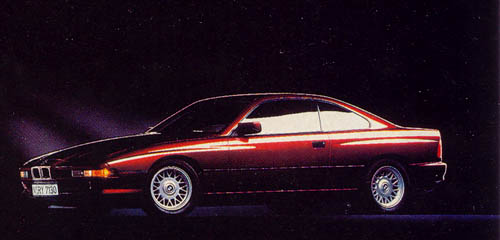
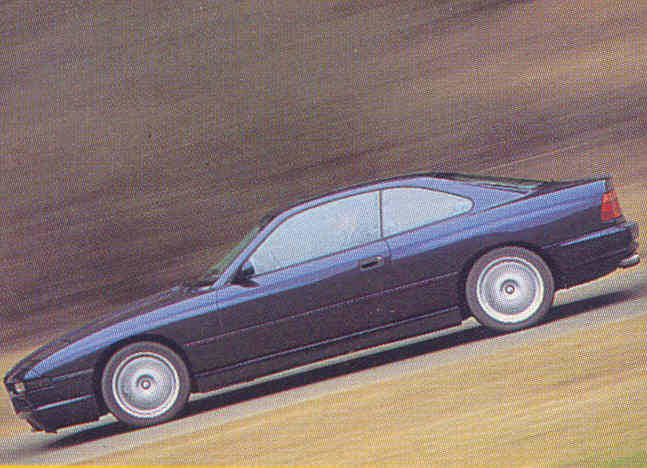
Designed by BMW Chief designer, Claus Luthe and his team. Achieved a new lowest drag coefficient of 0.30 in BMW range at that time.

The fifth generation front-drive Eldorado. History by Edmunds.com
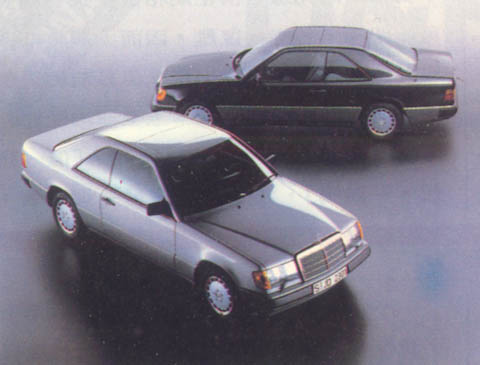
The C 124 coupe was launched in Geneva Show 1987. There were two models, 230 CE and 300 CE.
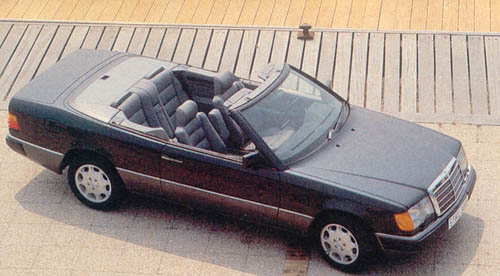

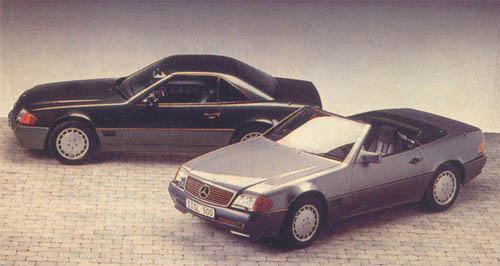
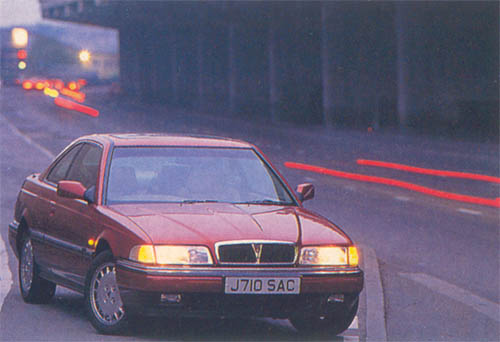
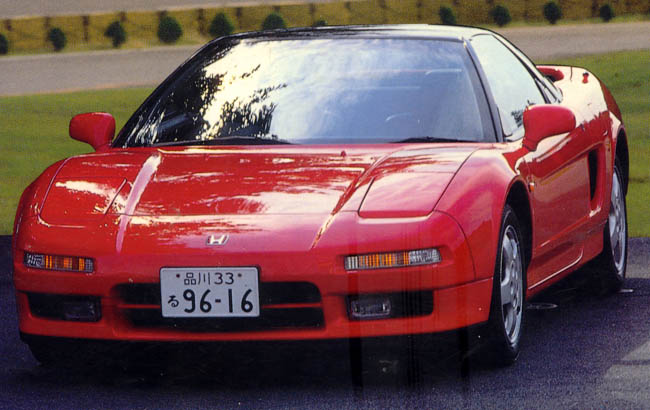
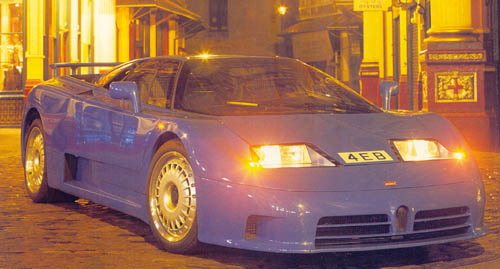
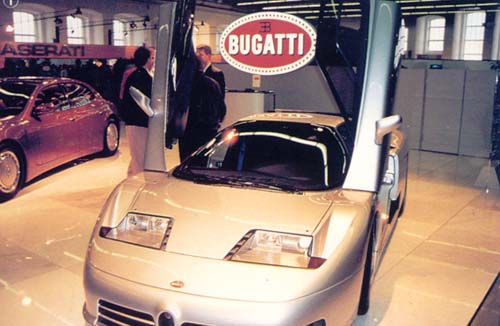
Styled by Marcello Gandini. Two models available: EB 110 GT & EB 110 SS.
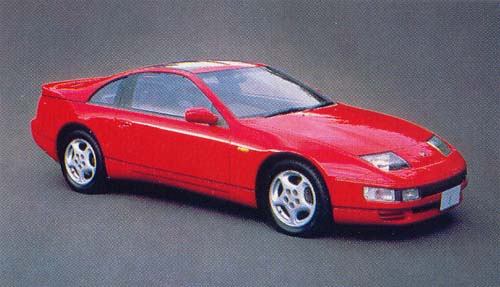
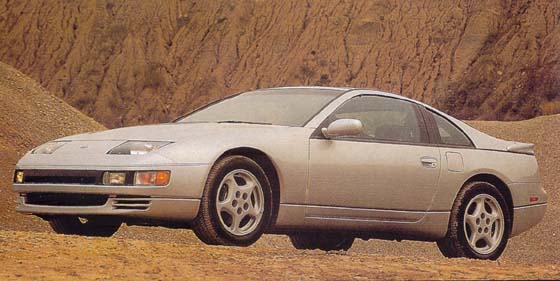
The third generation Fairlady Z. Well shaped with unique pop-up headlamps and a optional T-bar glass roof. My childhood dream sports car. Links 31.com | fsinet.or.jp
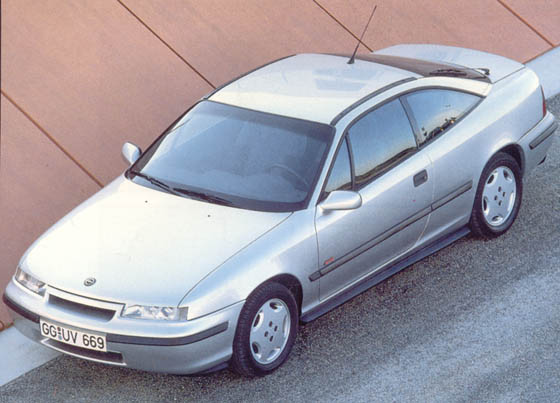
The Opel Calibra was first debut at Frankfurt Auto Show 1989, the same show at which the BMW debut its E31 850i. The talented Calibra attracted the most attention from the audiences.
The coupe was based on the existing Vectra platform. Designed by GM Europe design director, Wayne Cherry, the Calibra was not only pleasing to the eyes but also purposeful in function. The drag coefficient of 0.26 Cd set a record low for all production cars.


Launched in 1985.

Debut at the Tokyo Motor Show, the Audi Avus had an eye-catching body in aluminium polished to a high gloss. This stunning concept was designed by K Mays, who was also responsible for the design of BMW E34 5-series and E31 8 series.
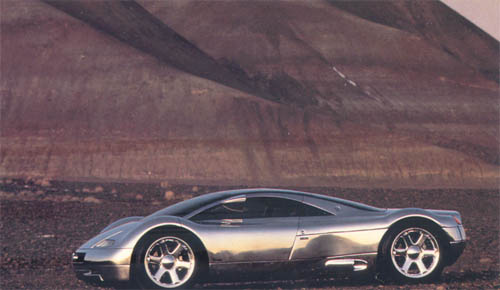
The ASF (Aluminium Space Frame) concept car was unveiled in the German Motor Show in autumn of 1993.
The GT coupe prototype 'Project 90' was the Bentley's attempt to test the responses of the public for a top niche GT coupe. Designed by John Heffernan and Ken Greenley in a company called International Automotive Design in Worthing, the concept had a family resemblance to the 1975 RR Camargue. The elegant black 'Project 90' was well received by the public.
It was a classic that links the 1975 Camargue and the later production coupes like the 1991 Bentley Continental R (debut in March 1991 at the Geneva Motor Show) and the 2003 GT Coupe.

Unveiled at the Geneva Motor Show in March 1994. Designed by Bentley's styling team lead by Graham Hull in conjunction with experts from Design Research Associates Limited.
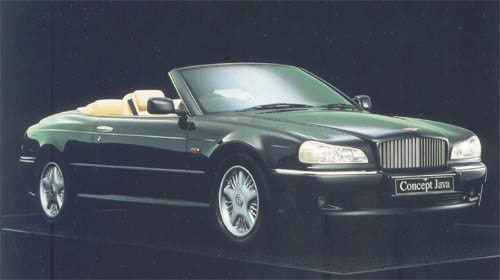
By Ital Design.
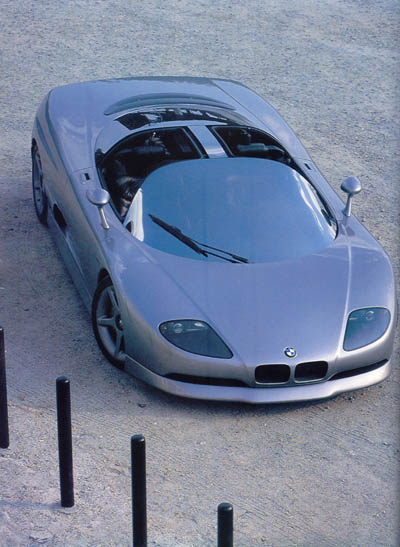
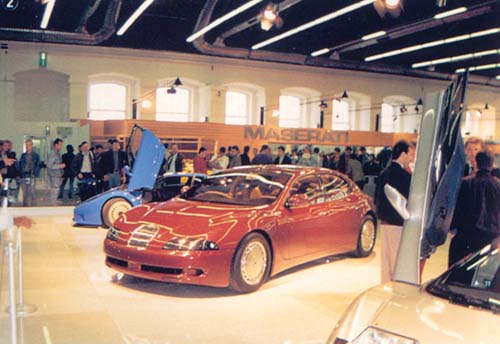
(Corporate Engineering Research Vehicle)
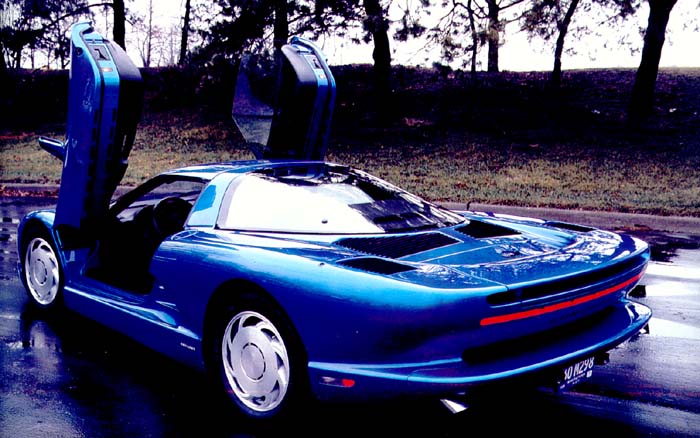

LHX (LH-Xperimental), the pre-production concept of the 1999 LHS.

The pre-production concept of the 1998 Intrepid (2nd generation).

Designed by ISDERA GmbH.
A prototype for Lancia, designed by Bertone in 1995. Links to Bertone site
By Ital Design.
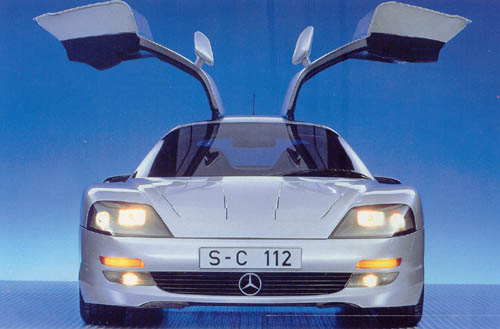

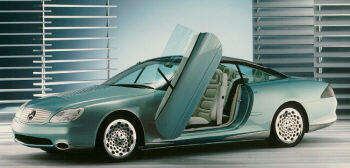
First displayed at the 29th Tokyo Motor Show in 1991. It was a 3 door station wagon derivative of the SVX.


If this concept car went into production today, it would be in the same league as the Maybach. Plenty of class and style. Initiale was designed by Patrick le Quement.
Volvo ECC (Environmental Concept Car) had a recyclable body, an electric motor for urban service and a gas turbine for highway driving.
Originally I did not intend to include classic designs after 1996, but this one is hard to miss so I have to put it at the end of the list. Few concept cars looks good in black, the Bentley Hunaudieres is one of them. Many resemblances to the Audi Avus, especially the sideway look. Sounds reasonable when one considers that VW Group owns the stake of Bentley.