|
|
||
|
|
||
| Modern classics 1960-early 80s | Post early 80s | ||
|
Thanks to plenty of ideas and experiences that could be carried forward or adopted, new car design work could be easier, less costly and less time-consuming. That's one of the major reasons why new models roll out so quickly nowadays. Besides, a new car could easily be "invented" with the help of various computer-aided design (CAD) programs. However one major let-down of these CAD programs is that these softwares, usually with limited creativity and design inspiration compared to human, often lead to standardized products. "Rules and logics" have often been set in the softwares as design perimeters, such as past design templates inside the databases and other common physical constraints, says aerodynamic correctness. In contrast, car design in the past requires more hard work and most of all, human inputs. Prior to the 80s car design requires much more complicated paper work and inspired thought. Many classic cars set the basic shapes of their kinds for their time and the future. Each of the classic cars may has its own distinguished story behind its success, however one thing is common: they all possess sheer power to show us the future, whichever it is about aesthetics, technology, or concepts. Some of the early versions of the classics may start to show their ages now, but these marques could be modernized easily by simple cosmetic modifications, or simply a new colour tone. Listed below are some of the classics models from the 60s to the early 80s which I have selected out of their high aesthetic significance. Truly classic automobile designs of all time, these cars remain modern even after the turn of the millennium.
|
||
| Model | Launched in | Verdicts |
|
|
1961 - 1965 1966 - 1970 |
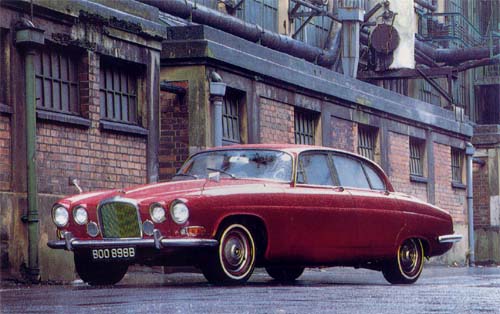
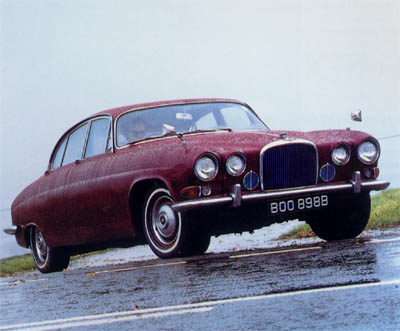
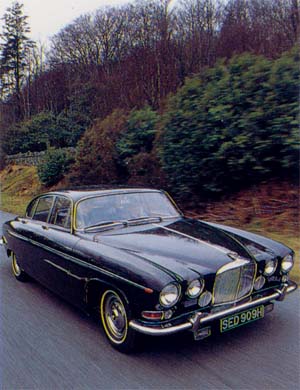
Debuted at the Earls Court in October 1961, this Jaguar was even an earlier car than the XJ6 Series I. The most respectable aspect of the Mark X was not about its first monocoque construction. It was the elegance design of the car that had us impressed. The designer had pioneered a very mature shape and proportion that liked no other cars in its time. All later XJ models like the XJ Series I, II, III, XJ40, X300/ X330 and X350 followed this single astonishing design. A total of 10,870 cars were built.
|
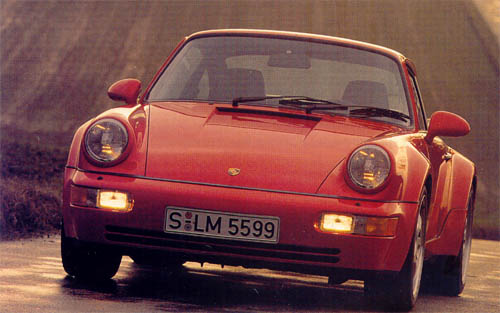
| Porsche - 901 (Type 911, 964 & 930) | 1963 - 1994 |
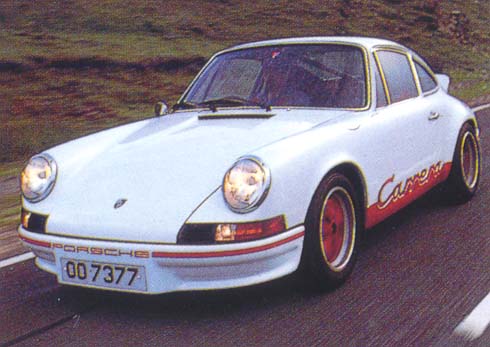
Debuted in Sept 1963 and with one basic shape, the 911 had been around the market for over 30 years. A truely legendary masterpiece.
|
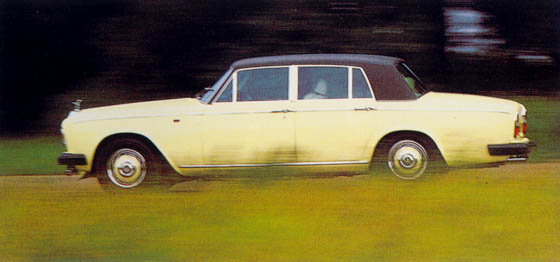
| Rolls Royce - Silver Shadow I & | 10/ 1965 - 1977 |
Designed by RR designer John P. Blatchley, the Silver Shadow I showed the world what the basic shape of a saloon should look like for tomorrow, like what the Jaguar Mark X did in 1961. New technologies included a new monocoque body structure. Bentley T1 was the sibling of SS I which shared the SS I construction.
|
| Bentley T1 | ||
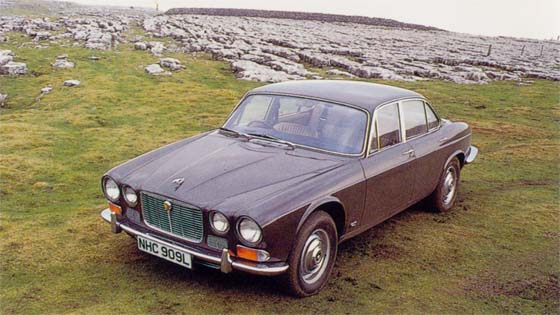
| Jaguar - XJ6 Series I | 1968 - 1979 (Series I & II) |
Followed the Mark X design, the XJ6 Series I was the inspiration of all the modern XJ models. A total of 79,000 XJ6 Series I were built.
|
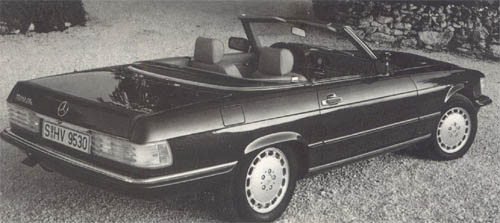
| Mercedes-Benz - W 107 (SL) | 1971 - 1989 |
In 1972, fixed roof 350 SLC and 450 SLC joined W 107 SL and they both
shared an extended SL wheelbase platform. Widely recognized by the unique
louvered panel cover at the rear windows. A larger 500 SLC was also
available in 1977. Production of the SLC ended in 1981 to give way to
the C 126 coupe which was launched in the same year to target the GT
market.
|
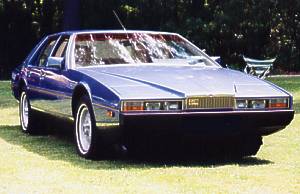
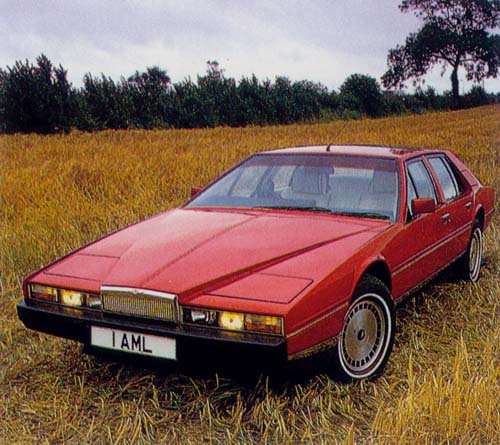
| Aston Martin Lagonda V8 | 1976 - 1/ 1990 |
Designed by William Towns, Lagonda V8 saloon stunned the world when it made its debut in the 1976 Earls Court motor show, with its low stance, angular design and futuristic electronic instruments. The first Lagonda V8 was delivered on April 24, 1978. It was facelifted in 1987 with a new shape which dropped the well known pop-up headlamps and replaced with six fixed headlamps. A rare and luxurious top niche sports saloon. Only 645 were built.
|
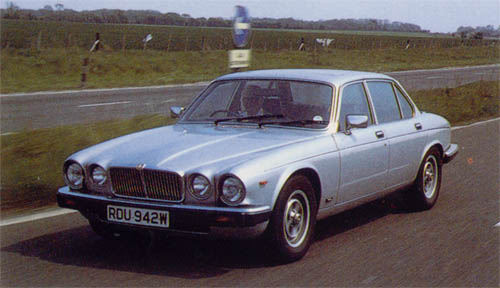
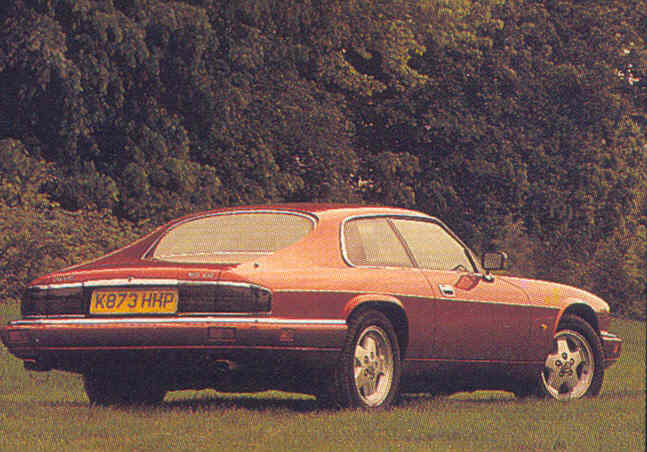
| Jaguar - XJ27 (XJS) | 9/ 1975 - 1995 |
Jaguar planned to create XJS to replace the legendary E-Type. The XJS turned out to be the Jaguar's only luxury GT for nearly 20 years. Classy shape and unique image liked no other car in its class during its time.
|
| Rolls Royce - Camargue | 1975 - 1986 |
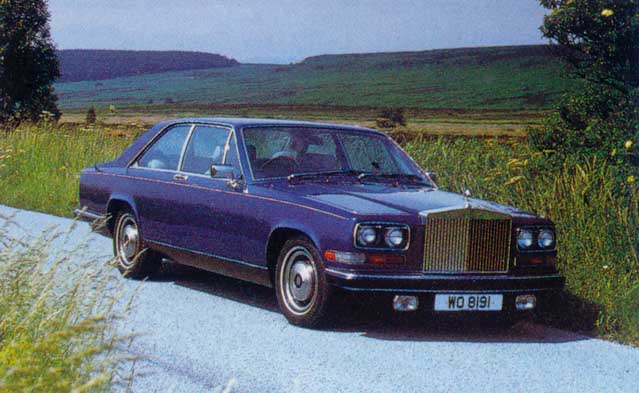
The Camargue shared the 6.7 litre V8 and the chassis of the RR Silver Shadow. The first attempt by RR to alter the front grille by making it lower and wider. A total of 531 cars were built. It was a significant GT design that led to the Bentley 'Project 90', which in turn inspired later Bentley models, mostly the beautiful Bentley Continental R (1991). It also influenced later models such as the Bentley Java concept and the GT Coupe (2003).
|
| Lamborghini - LP 400 (Countach) | 1975 - 8/ 1989 |
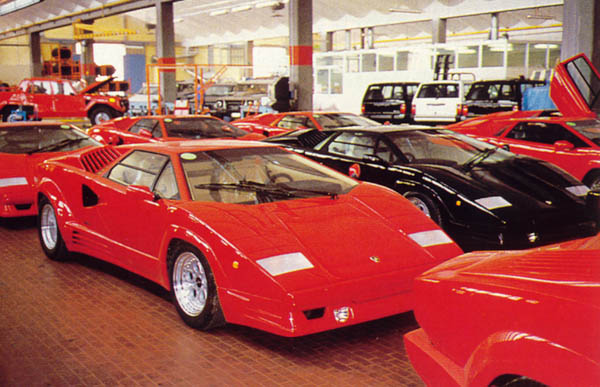
Designed by Marcello Gandini of Italian styling house Bertone, this car is now as futuristic as day one when it was launched in 1975. First generation was called LP 400, and it was followed by four generations: S, LP 500, QV and 25th anniversary. The last production of only 400 cars was named 25th anniversary. Production period run from Sep 88 to Aug 89.
|
| Porsche - 928 | 1976 - 1992 |
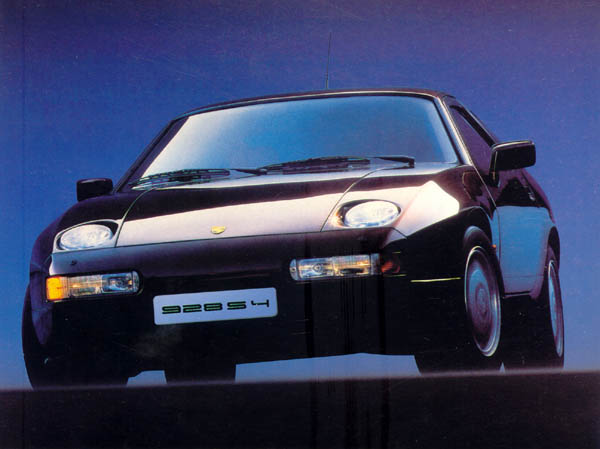
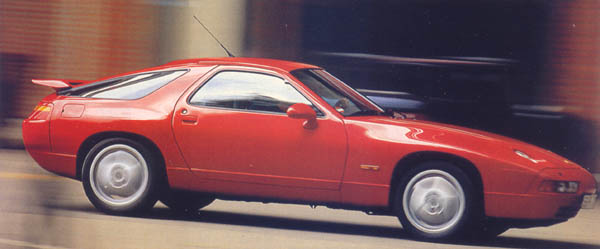
Initially Porsche intended to create 928 to replace 911. Instead, the 928 had created a class of its own as the Porsche top line FR luxury GT coupe. Voted as the car of the year for 1978. As with the 911, 928 continued to attract proud new owners. The distinctive shape still looks astonishing today.
|
|
Lotus Esprit
|
1976 - present |
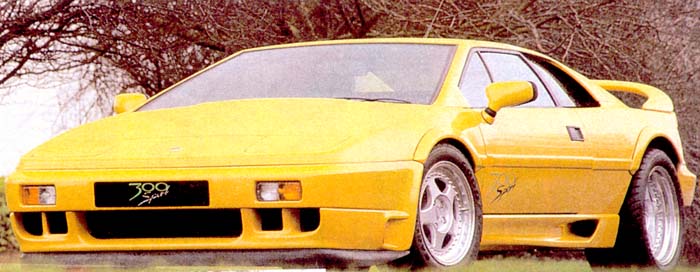
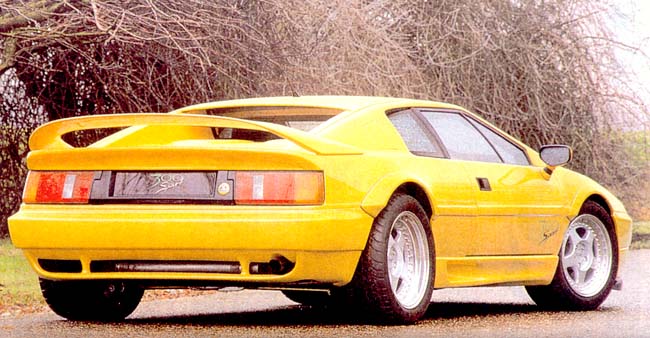
Equally matched the Porsche 911 for longevity. Plenty of image from
many classic movies. Even though Lotus had launched the successful Elise,
it still kept the Esprit as the top niche model line and constantly
repackaged it with newer engines and technologies.
|
| Mercedes-Benz - W 126 & V 126 S-class saloon | 1979 - 1991 |
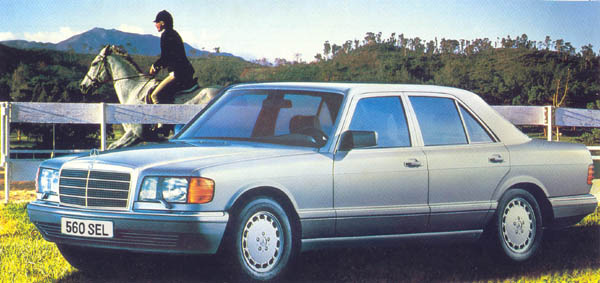
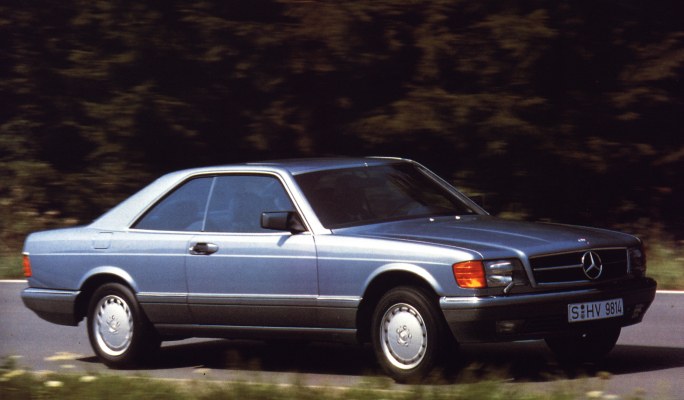
The shapes of the W/V 126 saloon and C 126 coupe were unmistakably Mercedes but sufficiently different from any Mercedes before. Both designs reflected perfect proportioning and detailing, with equally brilliant breakthroughs in aerodynamics, engine efficiency, and safety standard. Impeccable image and presence even for now. Two true hallmark Mercedes designs. Characterful and influential exterior styling had many newcomers to follow. Unparalleled range of saloon models offered the most comprehensive engine capacity selections like no other competitors, with a choice of petrol (S/ SE/ SEL) or diesel engine (SD/ SDL) in either a standard (S/ SE/ SD) or long wheelbase body (SEL/ SDL) at buyer's option. The hugely success W/V 126 and C 126 S-class had further solidified the image of Mercedes as one of the world's very best car makers in car design and engineering and had established royal clienteles all over the world. Driven by both owners and chauffeurs, the W/V 126 saloons were widely used and recognized by world leaders, government officials, corporate executives, hotels and wedding organizers, and still are. The S-class was unbeatable and virtually untouched by younger opponent models in the league in its time. Total sale of the range was unparalleled that the saloon and coupe pairs had found homes of nearly 890,000 owners worldwide during the range's distinguished production span of 13 years. As stressed in the worldwide motto "Engineered like no other car in the world" which the Mercedes had been using before the 90s, the W 126 S-class series was one of the few "over-engineered modern Mercedes" the automaker had even made (with W 201, W 124 and W 140 as the others).
|
| Mercedes-Benz - C 126 S-class coupe | 9/ 1981 - 1992 | |
| Audi - C3 (100) | 1982 - 1988 |
Shocked the car industry with the world's lowest drag coefficient of only 0.30 in its time, largely thanks to the use of flushed side glass panels; it won a number of international awards too.
|