|
|
|
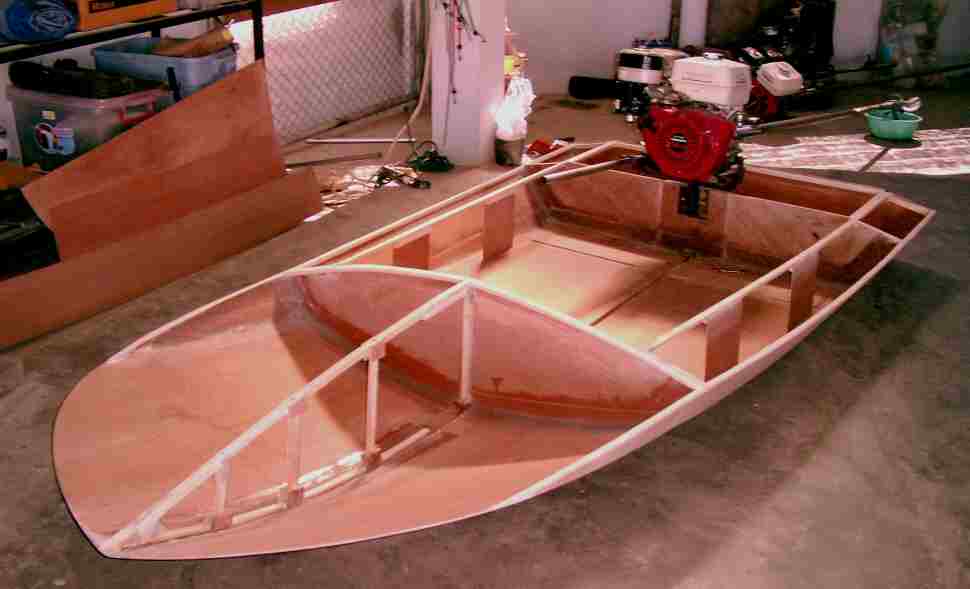
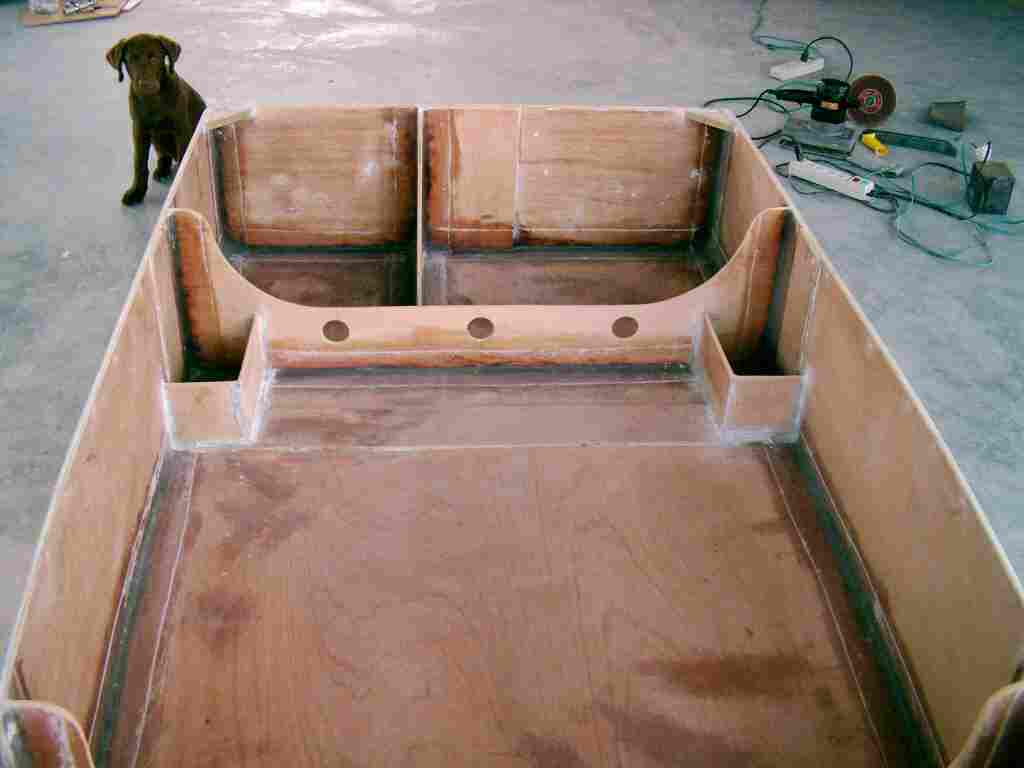
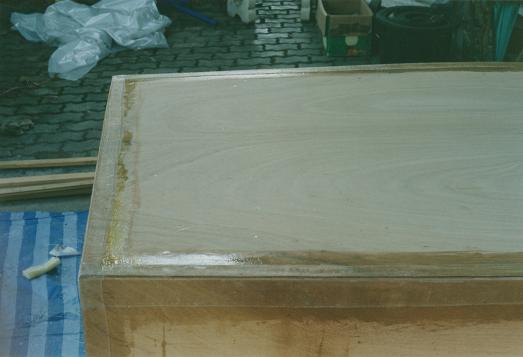
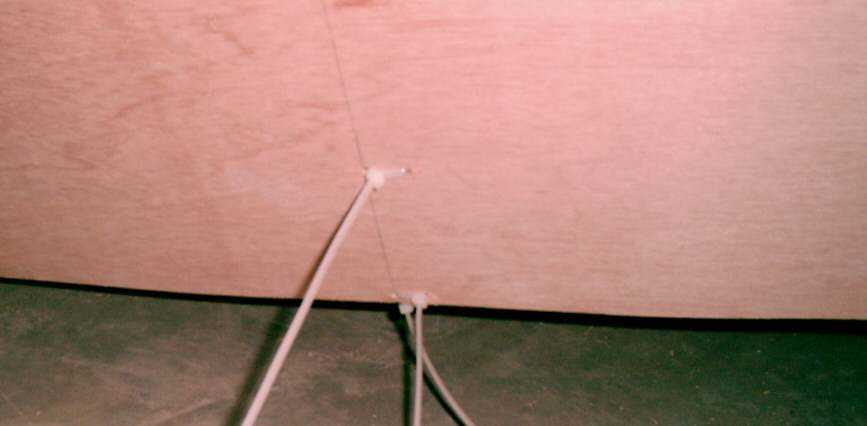
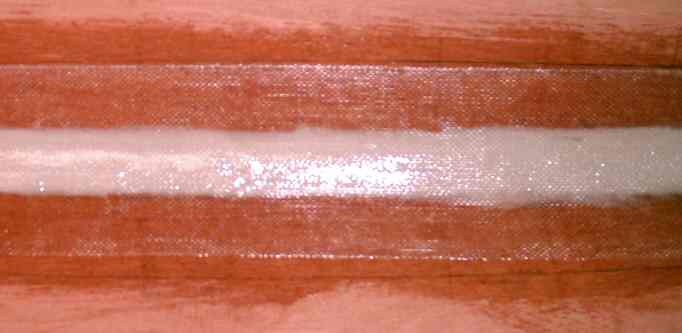
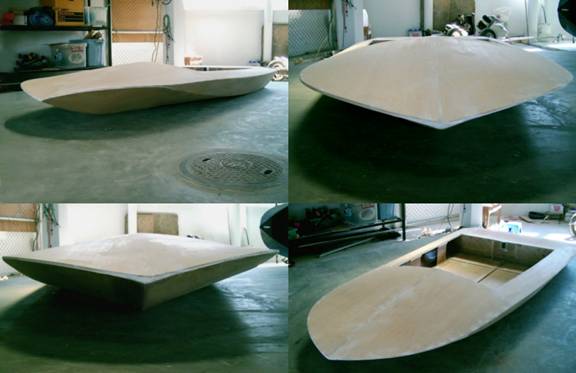
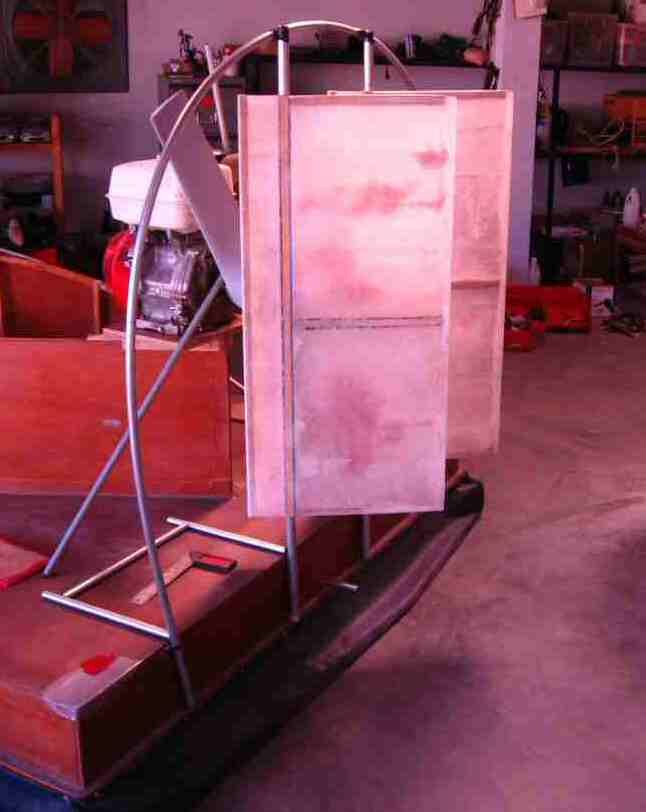
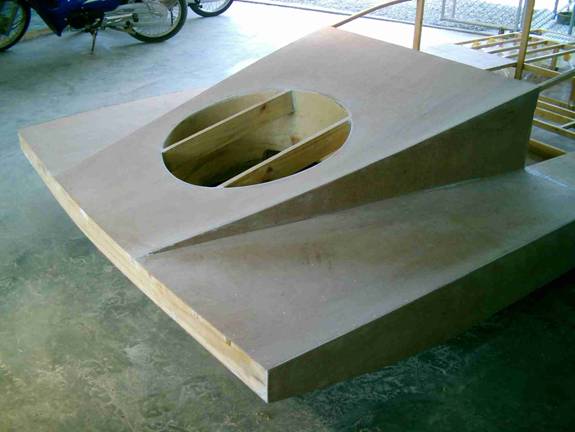
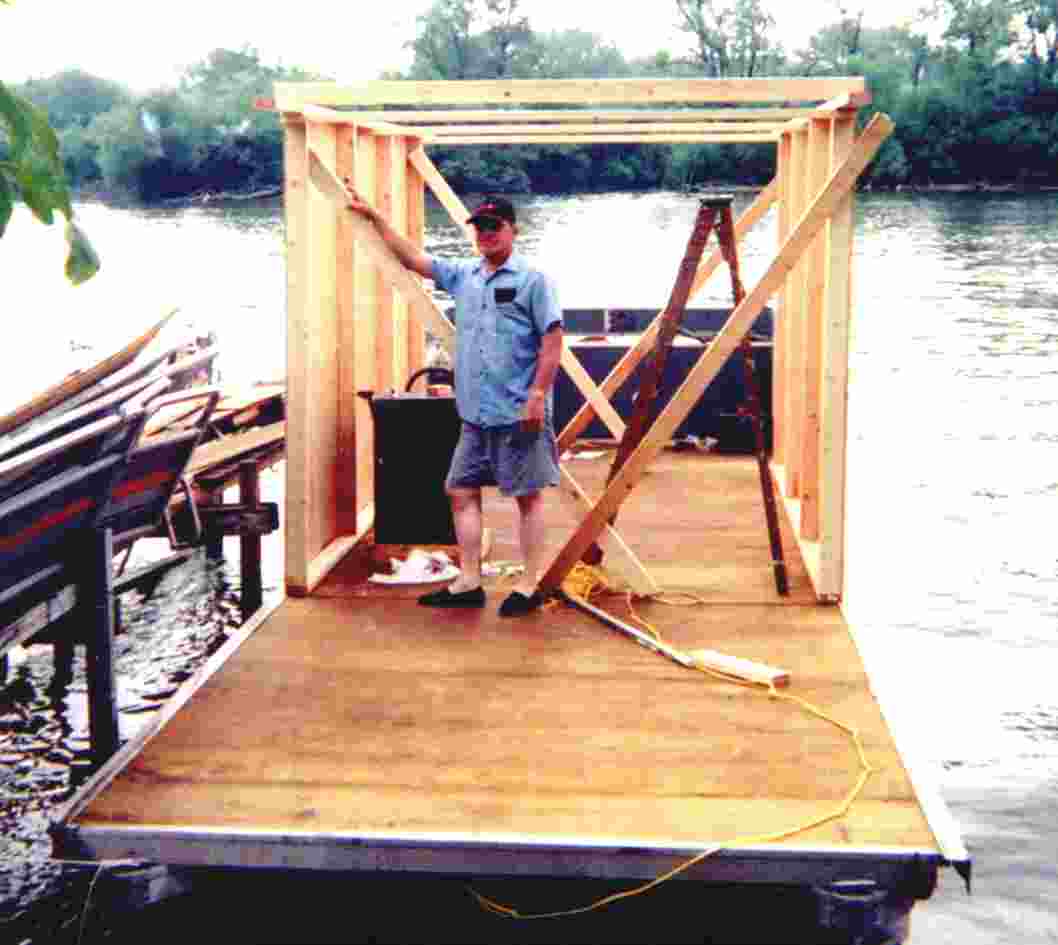
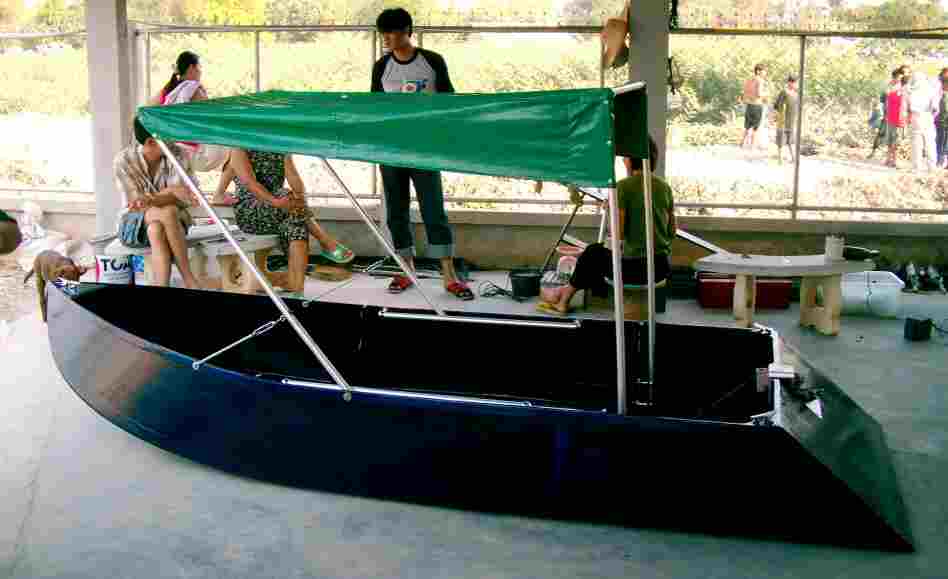
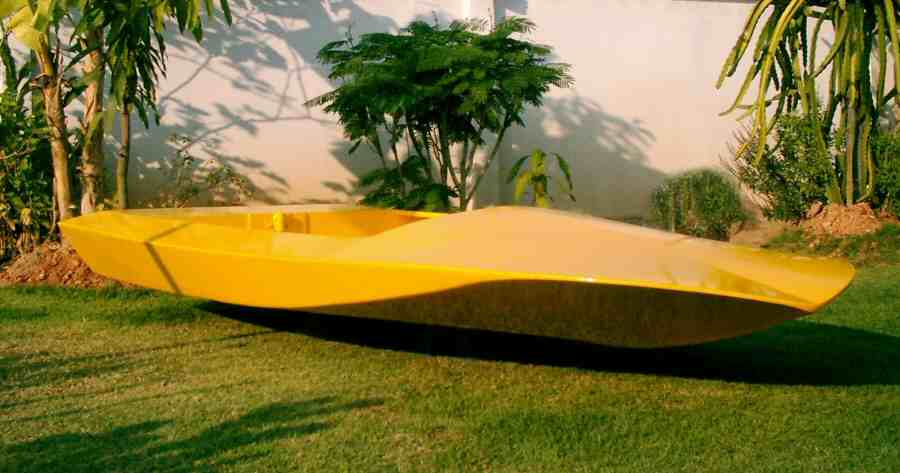
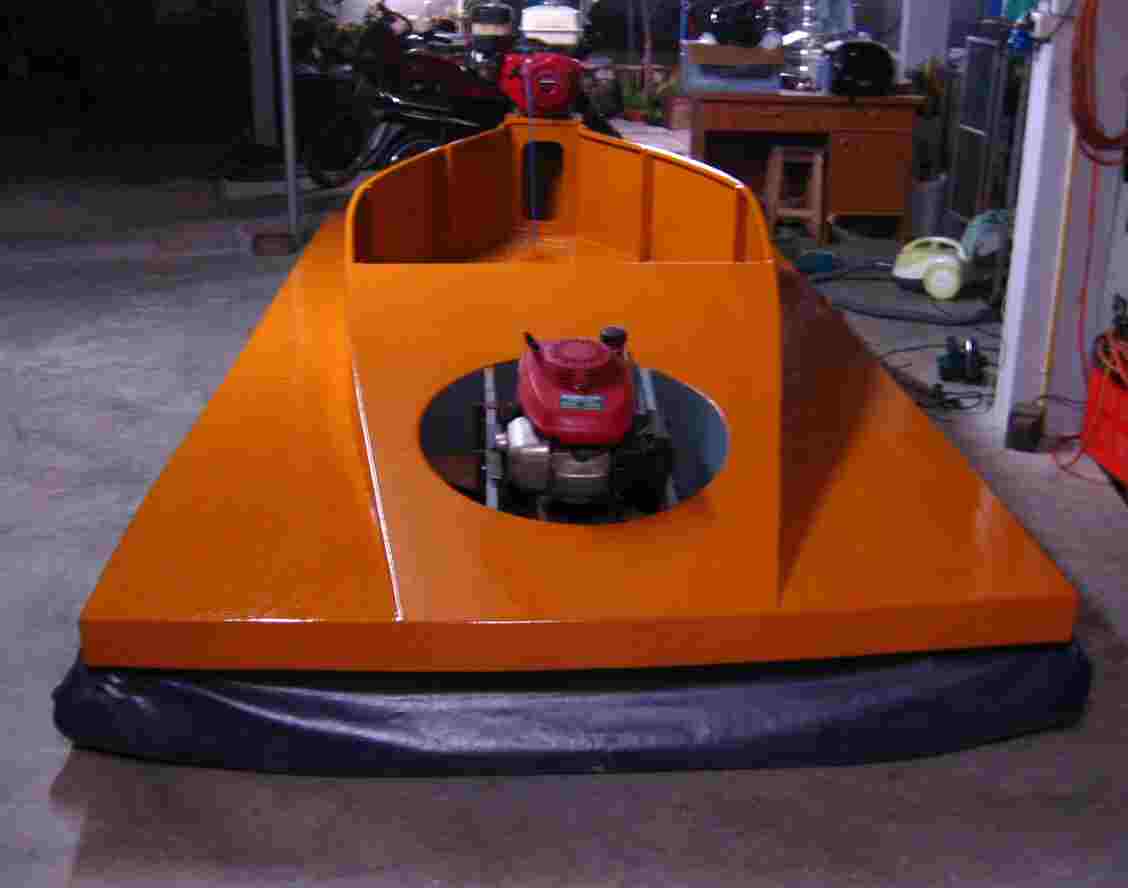
TONGDEE long tail construction traditional boat building What is normally called traditional boat building is constructing a boat the old fashioned way. Plank boards, and other heavy lumber make this type of a boat much too heavy to transport easily. These boats can be built well and strong. Their lives are spent at sea moored at the seashore, or they are confined to a lake or restricted between waterfalls and dams as they are heavy to transport. They are frequently expensive. composite hull boat building Composite hull construction opened the door to conveniently travel by boat on rivers, lakes and oceans worldwide. Not only did it make portage and trailer use practical due to its lightweight, it launched the boating industry into a new era. Technology provided the way to build strong lightweight boats at an affordable price. This type of boat building has been going on since the 1940's but it really took off in the 1960's when resins became better. One type of resin first used is called polyester and it is still used today. If one is building a regular size powerboat of fiberglass you start with a mold, a composite core and build it up with fiberglass sheets. These are the boats we see on television with big motors and a steering wheel, a speedboat. Although these boats are not that heavy I wouldn't call them lightweight either. Their props run quite deep in the water so shallow river use is very limited. Just because a boat is made of fiberglass doesn't mean it is light. Some people make small motorboats entirely of fiberglass and mistakenly make the hull too thick and heavy thinking it will be strong. What you then have is a heavy weak fiberglass boat. This idea doesn't work well because you need a core material to add strength. A composite hull is a hull made up of several layers of material. If plywood is used (as it is with our boats), there are usually three plies there. Then there is fiberglass, it may be used in strips over the joints or it may cover the bottom of the hull or the entire boat inside and out. Finally there are the layers of resin that make a watertight load bearing skin. I design and build boats using a method called tack and tape or stitch and glue. It is composite hull construction too. People have been building boats using this method since the 1950's but it really started to become popular in the 1970's. There are thousands upon thousands of these boats on the water today, worldwide. Plywood sheets are cut into panels that make up the sides, ends and the bottom of the boat. Then these panels are assembled and temporarily held together while thickened epoxy or polyester resin (glue) is applied to all the places where the sides join the bottom the ends and all the braces. Then fiberglass strips are applied over these weld-like glue joints. This makes a very strong joint. Now we have what looks like a boat. If you put it in the water though, the plywood would soak up water, weaken and rot. To make the boat waterproof we fully encapsulate it inside and out with resin The plywood with its weld like glue fillits that are covered with strips of fiberglass cloth and the hard resin skin make the boat a single unit, a composite hull and it is very strong. Many people build these boats for themselves it can be done if you have the skill and willingness to study the methods used. There are many days of measuring, sawing, shaping, gluing, grinding, sanding, fiber glassing, and painting and working with the resins. You need to have a workshop and tools, skill, knowledge and a lot of determination to finish any boat however the experience is priceless. below are some construction photos of my boat building
|