|
|
(
Click on the picture to see the larger image! )
|
|
|
|
|
|
|
|
|
|
|
|
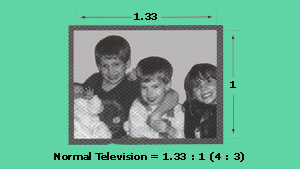
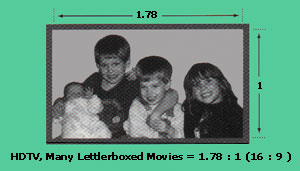
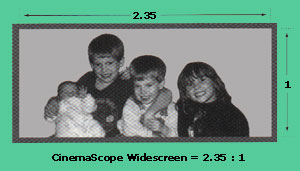
Most TVs have a 4:3 aspect ratio, but 16:9 widescreen sets, which are
available primarily as rear projectors, but also in some direct-view
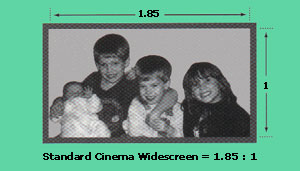
models. offer a more cinema like experience. Front Projectors can accomodate
most wisescreen movie formats.
|
| |
|
| Direct-View
TV: A tradition sets that use a tube to display the picture
are called direct-view TVs. They go as large as 40 inches diagonal, with
27, 32, 35 inches being today's most popular catgories. |
| |
| Rear
Projectors: Rear Projetion TV, or RPTVs. RPTVs are available
in screen sizes ranging from 40 to 80 inches. These sets use 3 picture
tubes,one each for Red, Green, and Blue light from the tube bounces off
a mirror in the back of the carbinate, and reflects onto the back of the
special screen. The only weak point of the RPTV is the bright that is
not as bright asthe Direct-View TVs. So, it would be better to place your
RPTV in a dimmed room. |
| |
| Front
Projectors: Front Projectors start about $3,500 and run as
high as $60,000, depending on the type of the technology used. You will
get the largest, most detailed picture with a Front Projector TV, from
about 5 feet to as much as 25 feet diagonally!!! |
| |