Water Pollution
Water pollution is when chemical, physical, or biological material is introduced into water that degrades the quality of the water and affects the organisms that live and drink the water. There are two types of water pollution.
Point Pollution -->
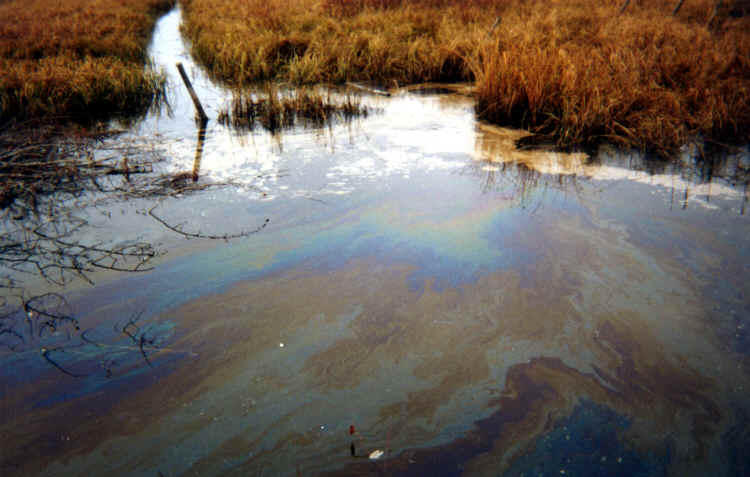
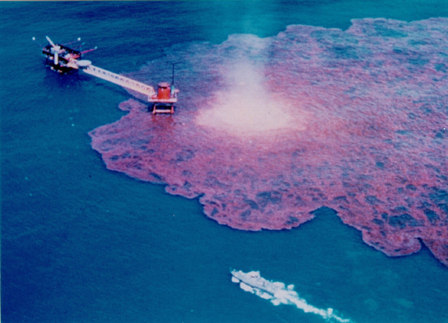
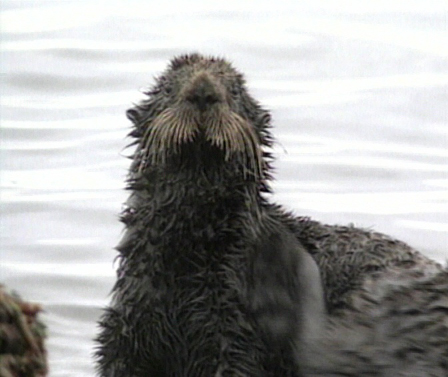
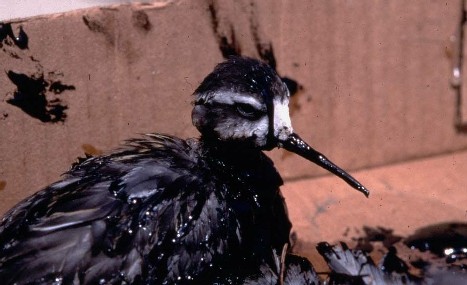
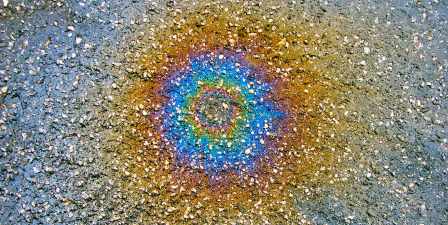
Pollution that comes from a specific source. This kind of pollution is easy to trace. Some examples are oil spills from factories or boats, and waste water and sludge dumped into the ocean by treatment factories. Oil spills are very difficult to clean, and they affect everything in the area, including animals, plants, birds, and etc.
Non-point Pollution -->
Pollution that comes from many various places. These could be the fertilizers in someone's backyard or the oil drips from a car. These pollutants get washed down gutters as runoff when it rains, reaching the oceans, rivers, and groundwater. Some examples are fertilizers, pesticides, gasoline, toxic chemicals, oil, feces, dry salt [for snow], car exhaust, infected runoff, etc. These affect lakes, aquifers, groundwater, rivers, etc, and can cause artificial eutrophication. Also, when people simply litter in water, things may look like this polluted river.
Thermal Pollution -->
When chemicals or liquids are poured into lakes, and the temperature changes to where the organisms originally in the lake cannot adapt, then it is thermal pollution. Fish can overheat and die.
Artificial Eutrophication -->
When phosphorus [contained in detergent, fertilizer, and sewage] seeps into lakes and causes the excessive growth of algae, clouding the top of the water with algae blooms and affecting the users of the water in the lake.