| Camping in South Florida is very different from other
areas of the United States. Surrounding the concrete urban environment of Miami and Ft.
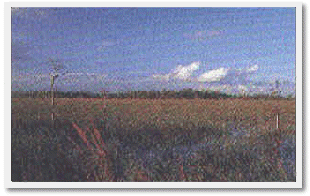
Lauderdale lies a tropical oasis with a unique mixture of both coastal and tropical
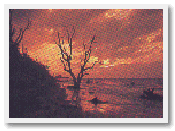
hammock and mangroves. Beach sites located along the South Florida coast are covered with sea oats, sea grapes, and cabbage palms. |
|
Besides camping, most of these areas also allow fishing, swimming, boating, biking and have nature trails.
The wet and dry seasons determine when the best camping is. As the winter dry season starts, the animal population begins to congregate around ponds, which provides excellent opportunities to view feeding wildlife. Also, the temperature is much more pleasant, around 82 degrees, with little humidity. When summer returns and the rains begin, conditions become favorable for mosquitoes to thrive which can be quit annoying and painful. Temperatures hover in the 90's and the humidity is high.
Two of the largest, protected recreational areas are Everglades National Park and Biscayne National Park which covers the Florida Keys. There are also numerous state and local parks which offer clean and modern facilities with spectacular scenery.
 |
There are three types of primitive camps sites
available here for those of you who don't have motor homes. They are beach, ground, and
the unique chickee (pronounced: chi-kee) sites. Beach sites can range from being very primitive to having electrical outlets, showers, Coke machines, etc.. During ideal conditions, insects may be scarce, but always be prepared for mosquitoes and no-see-ums (tiny biting flies), especially at sunrise and sunset. Knowing when the tides rise and fall are important when beach camping. That way you won't wake up in the surf. |
Ground sites are mounds of earth a few feet higher than the surrounding mangroves, located along bays and rivers. They tend to have more insects than beach or chickee sites
Chickees are located in Everglades National Park along interior rivers and bays where no dry land exists. They are elevated 10'x12' wooden platforms with roofs and narrow walkways which lead to a self contained toilet. Everything else, you bring.
| Required equipment for these areas are a free standing tent, ground cover, ground pad, 30 degree sleeping bag (you'll thank me in January on those nights where the temperature drops to the forties and fifties), and your other basics like cooking equipment and lighting. Pack clothes that will cover the temperature ranges I've mentioned including rain gear. And don't forget the bug spray, sun tan lotion and bathing suit. |
|
For the latest information and tips on camping, please visit my "What's New" page. If you prefer to just kick back and swap stories about camping, visit my "Chat" room.


Copyright © 1999, Dave's So. Florida Home Page
This page hosted by  Get your own Free
Home Page
Get your own Free
Home Page