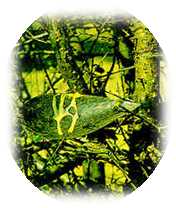
Botanical
Name : Commiphora mukul
Common/Trade
Names : guggul
Plant
Parts Used : Gum, Gua
Description :
The mukul myrrh (Commiphora mukul) tree is a
small, thorny plant distributed throughout
India. Guggul and gum guggulu are the names
given to a yellowish resin produced by the stem
of the plant. This resin has been used
historically and is also the source of modern
extracts of guggul.
Guggul contains resin, volatile oils, and gum.
The extract isolates ketonic steroid compounds
known as guggulsterones. These compounds have
been shown to provide the cholesterol- and
triglyceride-lowering actions noted for guggul.1
Guggul significantly lowers serum triglycerides
and cholesterol as well as LDL and VLDL
cholesterols (the “bad” cholesterols).2 At the
same time, it raises levels of HDL cholesterol
(the “good” cholesterol).
Specification
|
Botanical Name : |
COMMIPHORA MUKUL |
|
Plant part : |
Gua,
Gua |
|
Active Constituents : |
Gugulsterones |
|
Description |
|
Appearance : |
Powder |
|
color : |
Cremish White |
|
Aroma : |
Characteristic |
|
Taste : |
Characteristic |
|
Method of Assay : |
HPLC |
|
Solubility : |
Soluble in Alcohol |
|
Solvent used for Extraction :
|
Methanol |
|
Identification Assay : |
Guggulsterones NLT 2.5% |
|
Method of Manufacture : |
Guggul Gum is refluxed with Ethyl Acetate,
Cooled centrifuged. Centrifugate is
concentrated, mixed with starch, dried,
pulverized and packed. |
|
Recommended Storage : |
Store in well closed container at Room
Temperature |
|
Shelf Life : |
24 months |
|
Specification |
|
Loss on Drying : |
< 2% |
|
Heavy Metals Arsenic : |
< 2ppm |
|
Mercury : |
< 2ppm |
|
Lead : |
< 2ppm |
|
Microbiological Analysis |
|
Total Bacterial count : |
NMT 1000 CFu / gm |
|
Total fungal count : |
NMT 100 CFu / gm |
|
E. Coli, Staphylococcus Aureus : |
Absent |
|
Salmonella, Pseudomonas : |
Absent |
|
Pathogens, Aeruginosa : |
Absent |