|
|
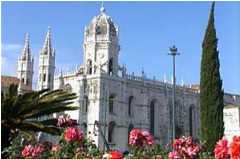
Lisbon has been inhabitated since times immemorial. Celts, Romans, Visigoths and Arabs have been among its peoples. Portugal become independent in 1139 and its first king, D. Afonso Henriques conquered the city from the moors in 1147. Its position in relation to the river Tagus and the sea had a favourable and marked effect on its characteristics. In the 15th, 16th and 17th centuries Lisbon was the starting point for the discoveries made by Portuguese navigators , which rapidly changed the city into an internacional trading centre for the merchandise which flowed from the newly discovered lands: the Atlantic islands, East and West Africa, India and the Brazil, etc. The Lisbon of today retains traced of the capital which was that a colonial empire, and of the confluence of cultures that the Portuguese discovered and helped reveal to the world and with which they have lived for hundred of years. Perhaps that explains why Lisboans are by nature and tradition open to new ideas and new people, being hospitable and welcoming to visitors. Lisbon is a luminous, soft-hued city, cooled by sea breezes where the river Tagus, peeping between rooftops, is visible from almost all historic places of interest and the old gardens straggling the seven hills on which the city was originally built.
|
|